
Some places in Sydney are worth visiting more than once, and Taronga Zoo is definitely one of them. I visited the zoo twice, first in January 2025 with my family and then again in February 2026 with my daughter. Both visits were memorable, but the experiences were a little different.
During our first visit, we explored the zoo as a family. We took an Uber to get there and returned to the city by ferry. On the second visit, my daughter and I travelled by ferry in both directions. We also took a public bus from the ferry wharf to the zoo’s main entrance. With just the two of us and plenty of time, we could explore at a more leisurely pace, stop whenever something caught our attention and enjoy the experience without rushing.
Taronga Zoo is much more than a place to see animals. It is a full-day outing with wildlife from different parts of the world, beautiful gardens, interesting animal presentations, places to eat and some of the best views of Sydney Harbour. The journey to the zoo is an experience in itself, especially if you take the ferry.
Our first visit: January 2025
Our first visit to Taronga Zoo was a family outing. We took an Uber to get there, which was convenient because we could travel directly to the entrance without having to coordinate different public transport options.
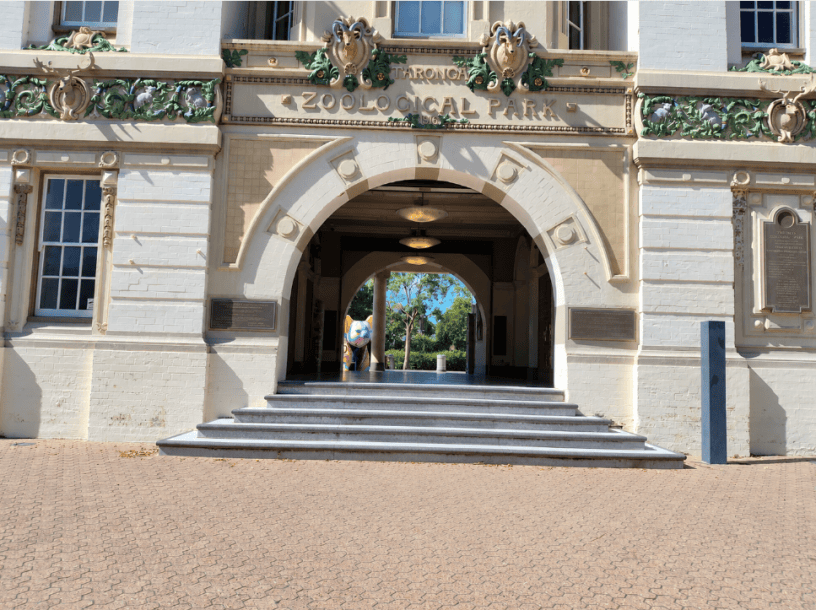
The zoo has an impressive entrance. The grand stone archway, decorative details and the words Taronga Zoological Park give it a sense of history. It is a nice introduction to a place that has been part of Sydney for more than a century.
Once inside, we had a full day ahead of us. Taronga is spread across a large area, with different animal habitats, walking paths, gardens and viewing areas. There is quite a bit of walking involved, and you cannot expect to see everything in just a couple of hours.
One thing I liked about Taronga is that the experience is not limited to looking at animals through enclosures. The landscaping, walking trails and viewing areas make the journey between exhibits enjoyable too. There are plenty of opportunities to stop, observe the animals and take photographs.
When travelling with family, the day naturally moves at its own pace. You might spend more time at one animal enclosure than you originally planned, stop for a snack, or take a break when everyone needs one. It is better to enjoy the experience than try to cover every corner of the zoo.
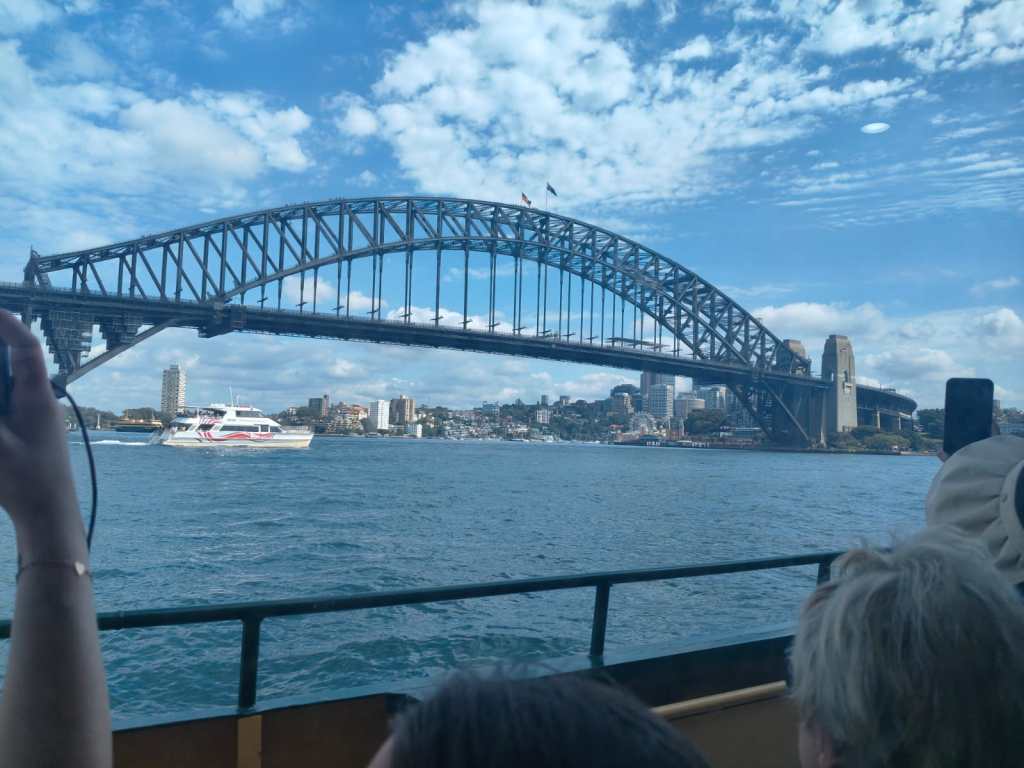
We ended our first visit with a ferry ride back towards the city. After spending much of the day walking, sitting back on the ferry and watching Sydney Harbour pass by was a lovely way to finish the outing. The breeze, the boats on the water and the sight of the city from the harbour made the return journey part of the sightseeing experience.
Our second visit: February 2026
When I returned to Taronga Zoo in February 2026, it was just my daughter and me. We travelled by ferry from the city to the zoo, and this time we used the ferry in both directions.
The ferry journey is one of the best reasons to choose public transport for this visit. Taronga Zoo is on the northern side of Sydney Harbour, and approaching it by water gives you a different perspective of the city. You leave the busy Circular Quay waterfront behind and get to enjoy the harbour before the zoo visit even begins.
After getting off at Taronga Zoo Wharf, we took a public bus up to the main entrance. The wharf is at the lower part of the site, while the main entrance is higher up the hill. Taking the bus saved us some uphill walking at the beginning of the day.
This is a useful detail to remember if you are planning a visit. You can walk up from the wharf, but it is worth checking the available bus or shuttle options if you would rather save your energy for exploring the zoo itself.
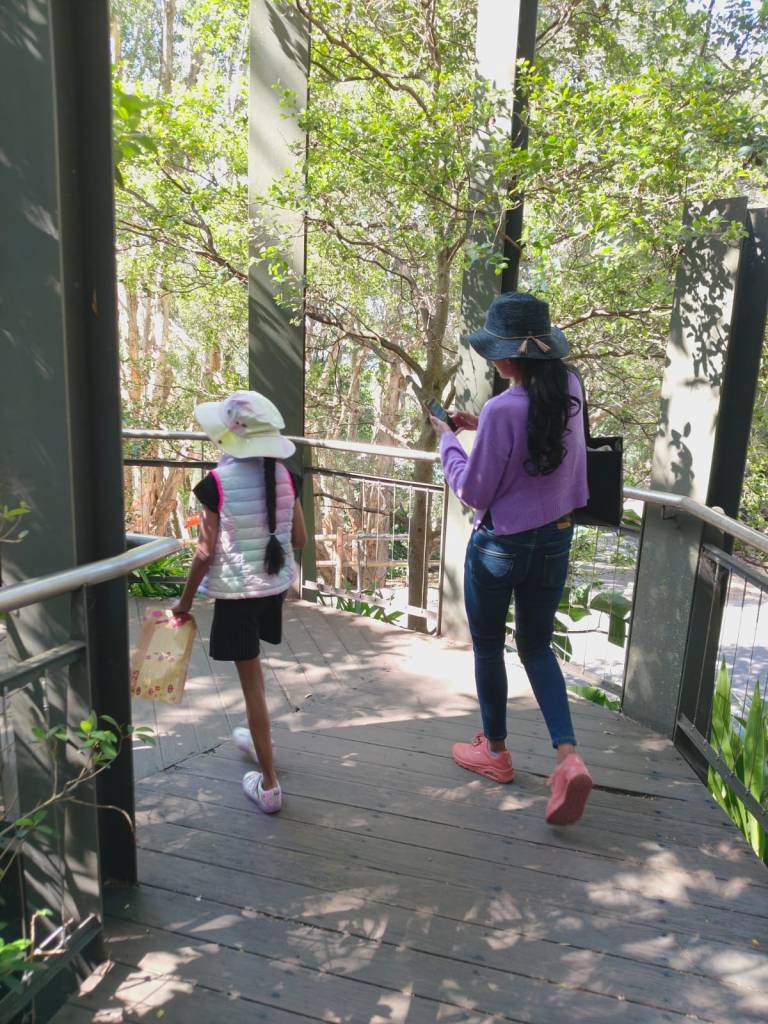
The second visit felt more relaxed. With just the two of us, we could pause to watch an animal, take photographs or spend more time exploring an area without worrying about keeping to a fixed schedule.
That is one of the nice things about revisiting a place. You are not necessarily trying to tick off every attraction. You already know what the place offers, so you can enjoy the smaller moments as well.
A little history: Taronga Zoo through the years
Taronga Zoo has been part of Sydney’s story since 1916. Before Taronga opened, Sydney’s public zoo was located at Moore Park, where the zoo had operated since 1884. The move to the present site in Mosman gave the zoo more space and the opportunity to develop a different kind of zoological park.
Over the years, the zoo has changed considerably. In its early days, the emphasis was largely on displaying animals for visitors. A major review in 1967 marked a shift towards scientific research, education and conservation.
This change is important because modern zoos have a much bigger role than simply allowing people to see animals they would not normally encounter. They also support breeding programmes, research, animal care and efforts to protect threatened species.
Taronga’s history includes several milestones. An aquarium was added in 1929, and the zoo continued to develop new habitats and facilities over subsequent decades. Its education work also grew, helping visitors understand animals and the environments they depend on.
The zoo acknowledges the Cammeraigal people as the Traditional Custodians of the Country on which Taronga Zoo Sydney stands. It is worth recognising this connection when visiting a place that is such a well-known part of the city.
I find it interesting that a place which has been around for more than a hundred years continues to evolve. A visit today is not simply about seeing animals. It is also an opportunity to learn more about wildlife, conservation and the challenges many species face.
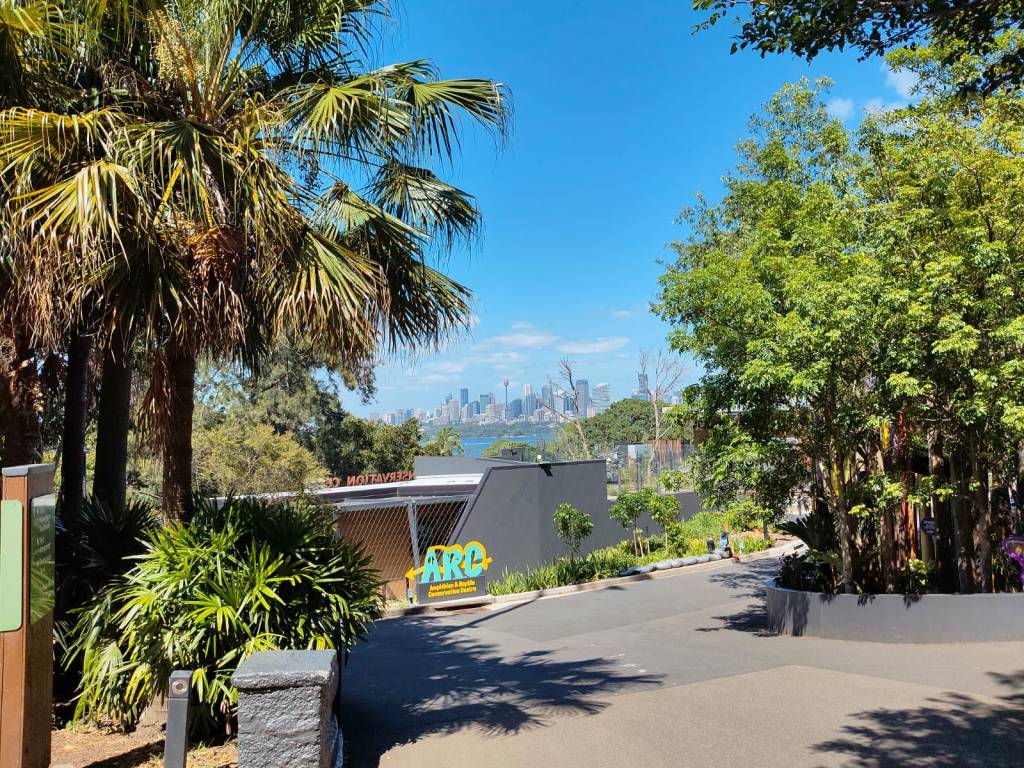
Watching Australia’s native animals
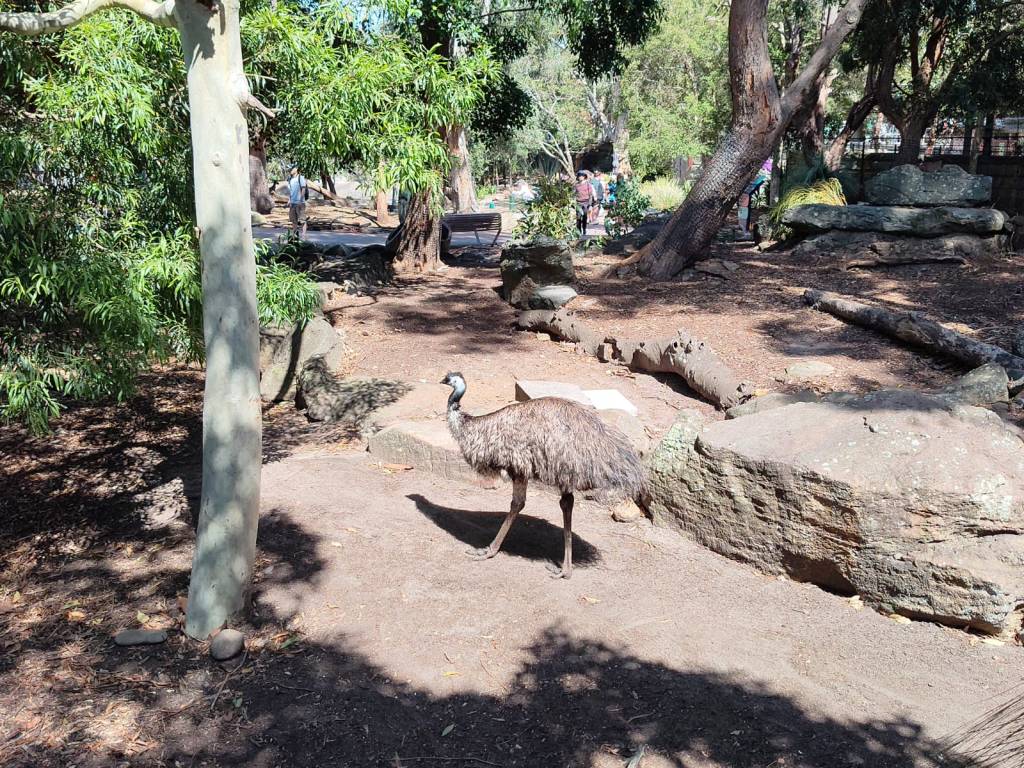
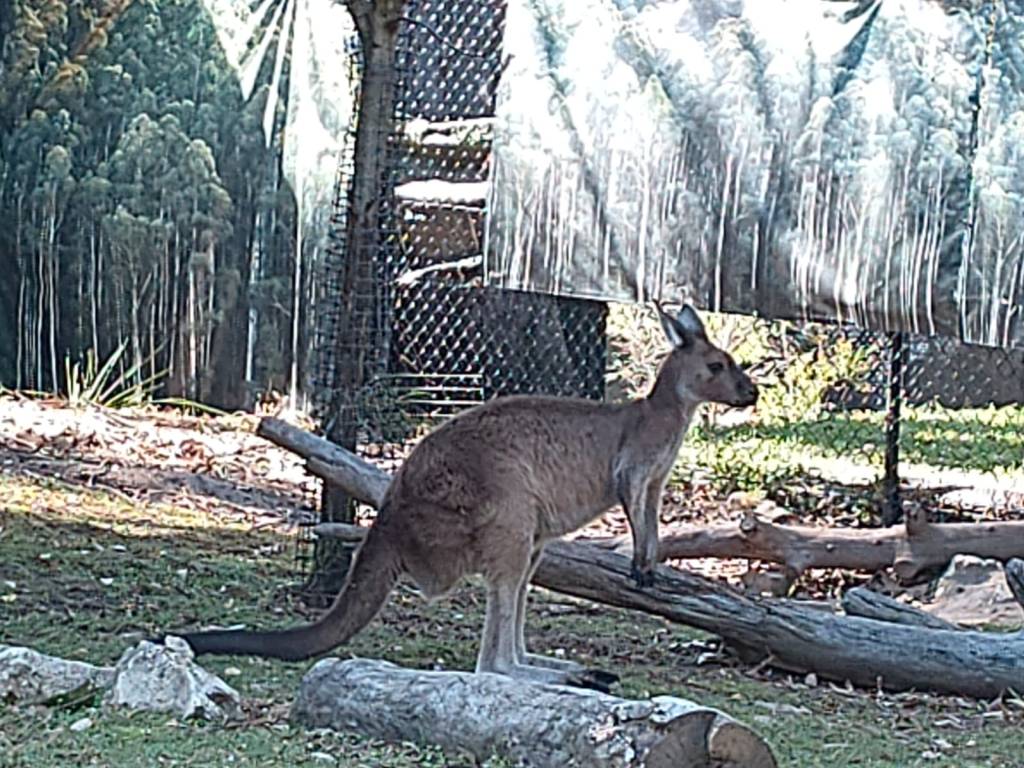
One of the highlights of Taronga Zoo is the opportunity to see Australian animals up close. Kangaroos, emus and koalas are familiar names, but seeing them in person is a different experience from seeing them in photographs.
Kangaroos and emus
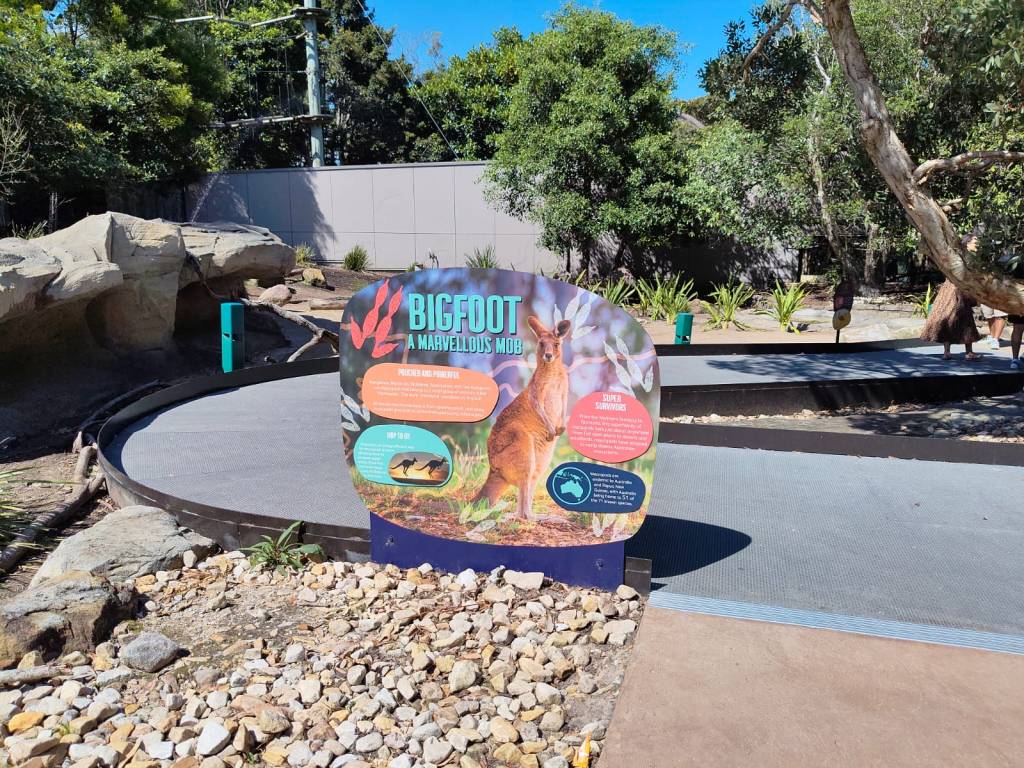
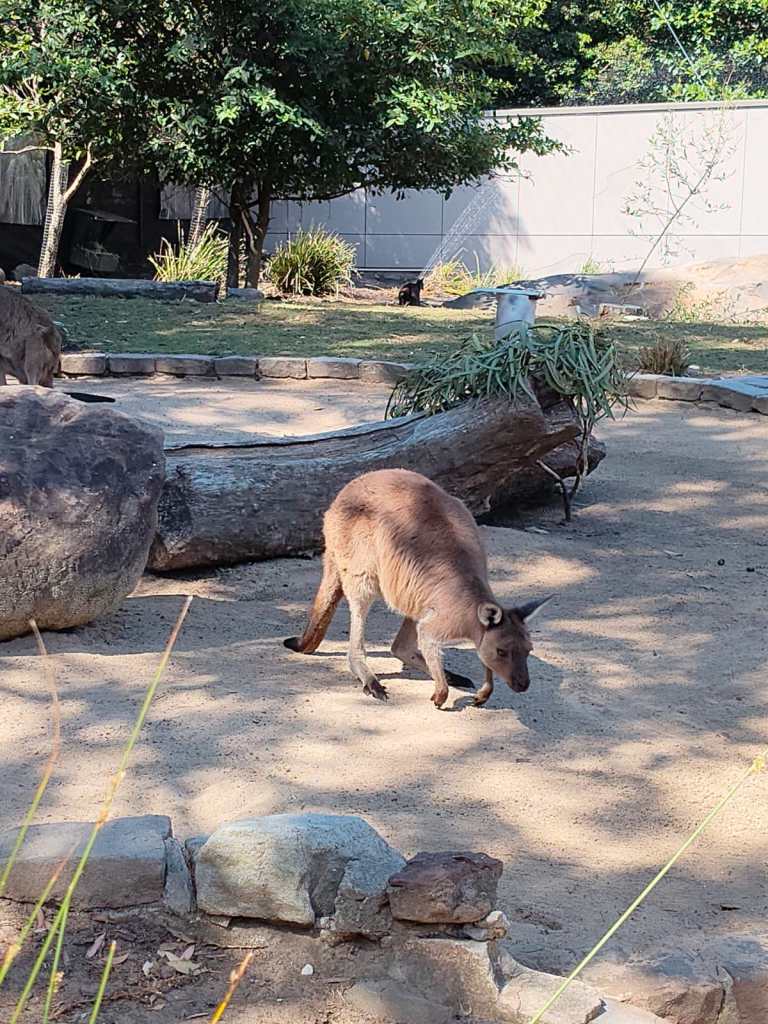
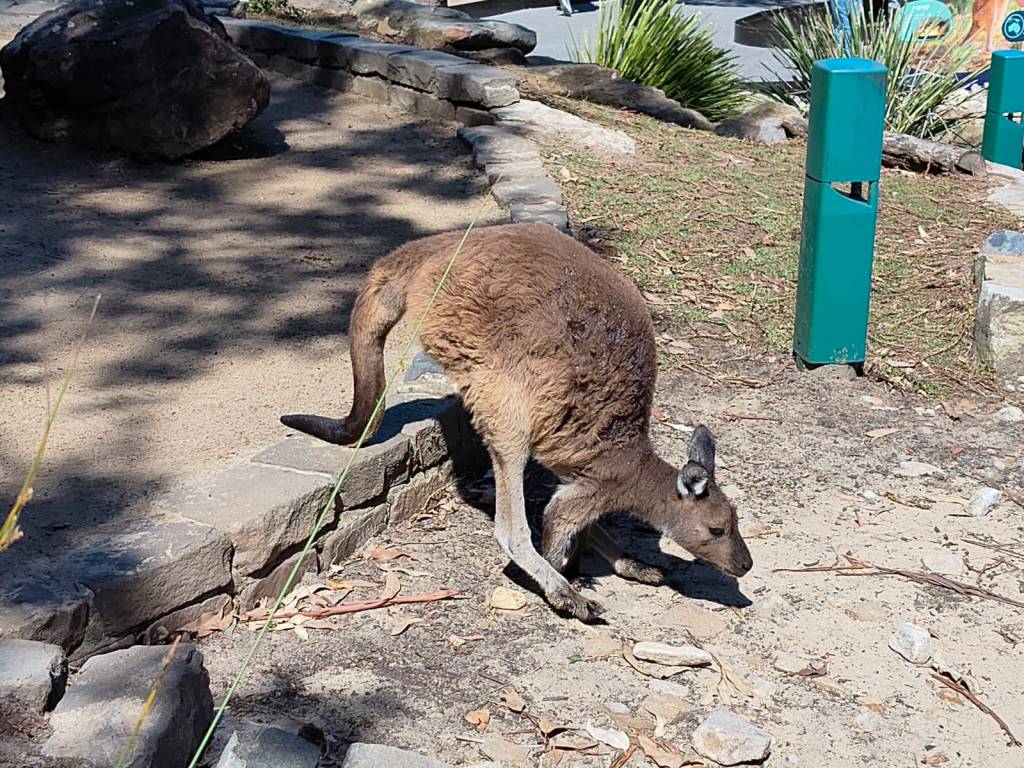
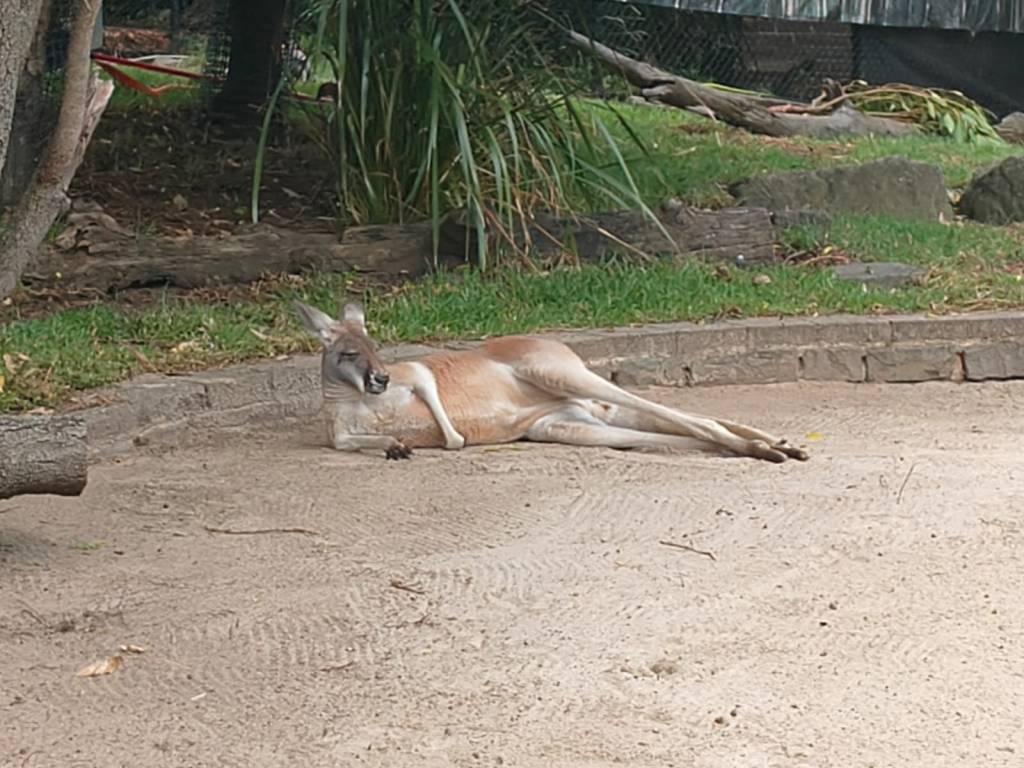
The kangaroos were among the animals I photographed during our visits. There is something appealing about watching them in a relaxed setting, moving around and interacting with their surroundings.
The emus are equally interesting. They are large birds, and their appearance and movements make them quite distinctive. It is worth taking a little time to observe them rather than simply stopping for a quick photograph and moving on.
The zoo’s Australian animal area includes a walk-through habitat where visitors can see kangaroos, wallabies and emus. It is a good opportunity to get a closer look at some of the animals associated with Australia.
Koalas
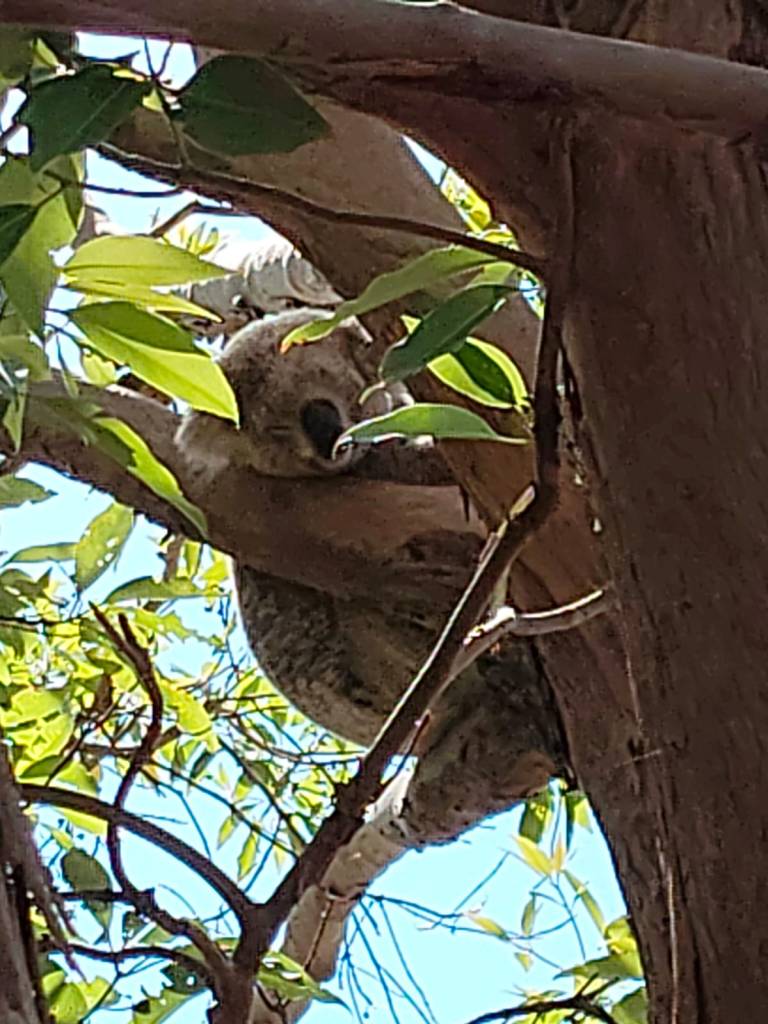
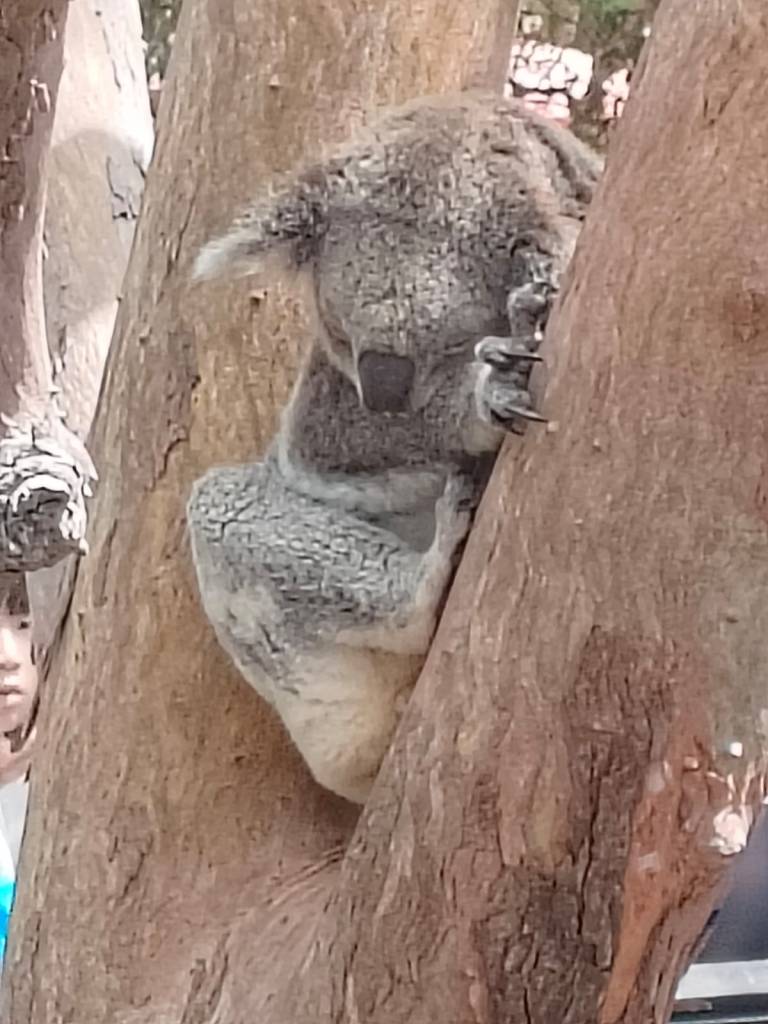
Koalas are another major attraction, particularly for visitors who are travelling to Australia for the first time. They spend much of their day resting in eucalyptus trees, so you may have to look carefully to spot them.
Even when a koala is sleeping, it is fascinating to see how it rests among the branches. Their quiet behaviour is very different from the activity you might see in other parts of the zoo.
Taronga also has keeper talks that explain koala behaviour and why they sleep for such long periods. If you are interested in learning more, checking the daily schedule is worthwhile.
More Australian wildlife
The Australian section, known as Nura Diya, goes beyond the most familiar animals. It includes habitats for dingoes, nocturnal animals and native birds, along with trails designed to introduce visitors to Australian flora and fauna.
The nocturnal section is particularly interesting in concept because some Australian animals are most active at night. These animals can be difficult to spot in the wild, making a dedicated habitat a useful way to learn about them.
Nura Diya is also a reminder of how diverse Australian wildlife is. Kangaroos and koalas may be the animals most people immediately think of, but there are many other species worth discovering.
Giraffes, gorillas and animals from around the world
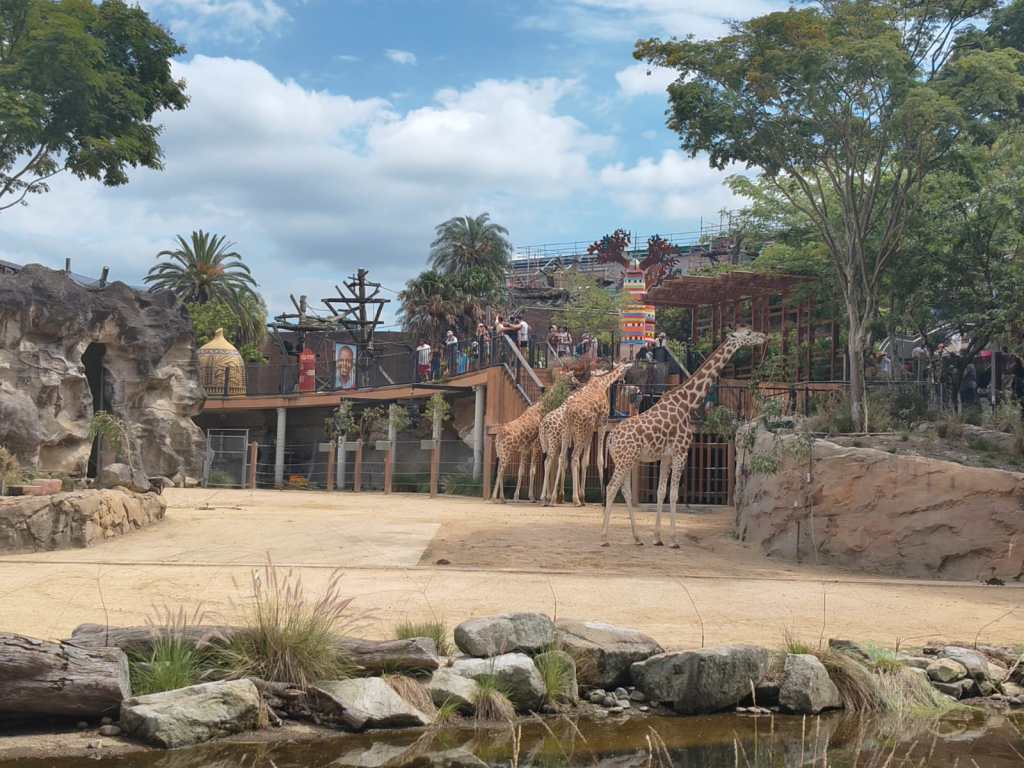
Taronga Zoo also brings together animals from different continents, so there is plenty to explore after spending time with the Australian wildlife.
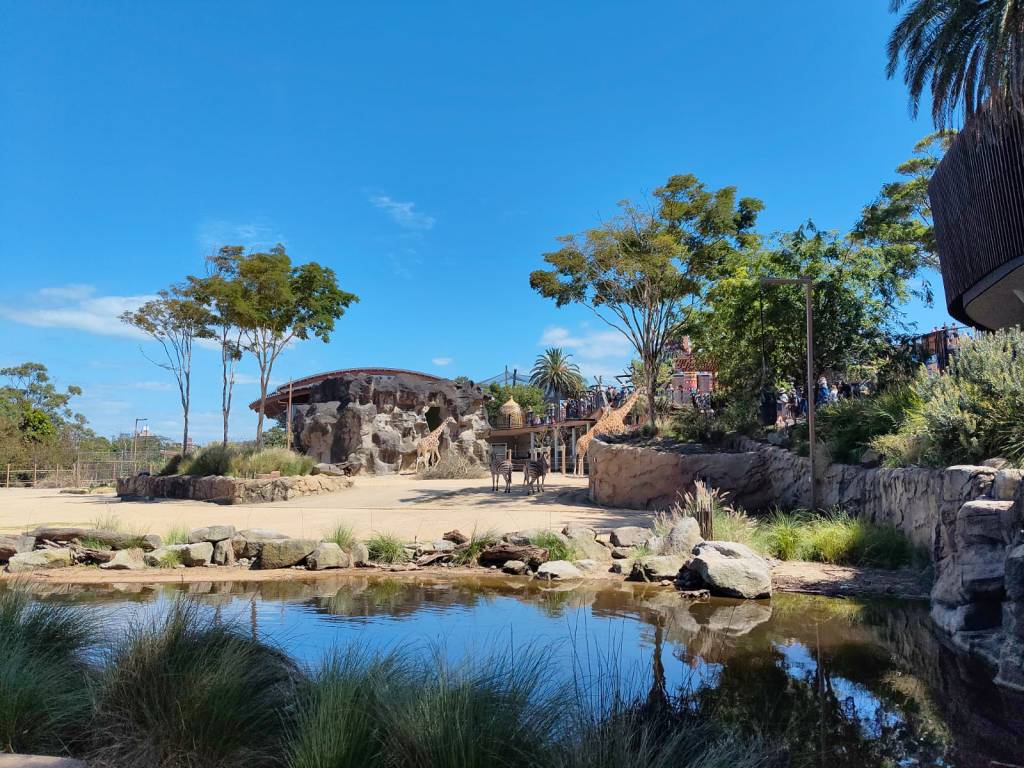
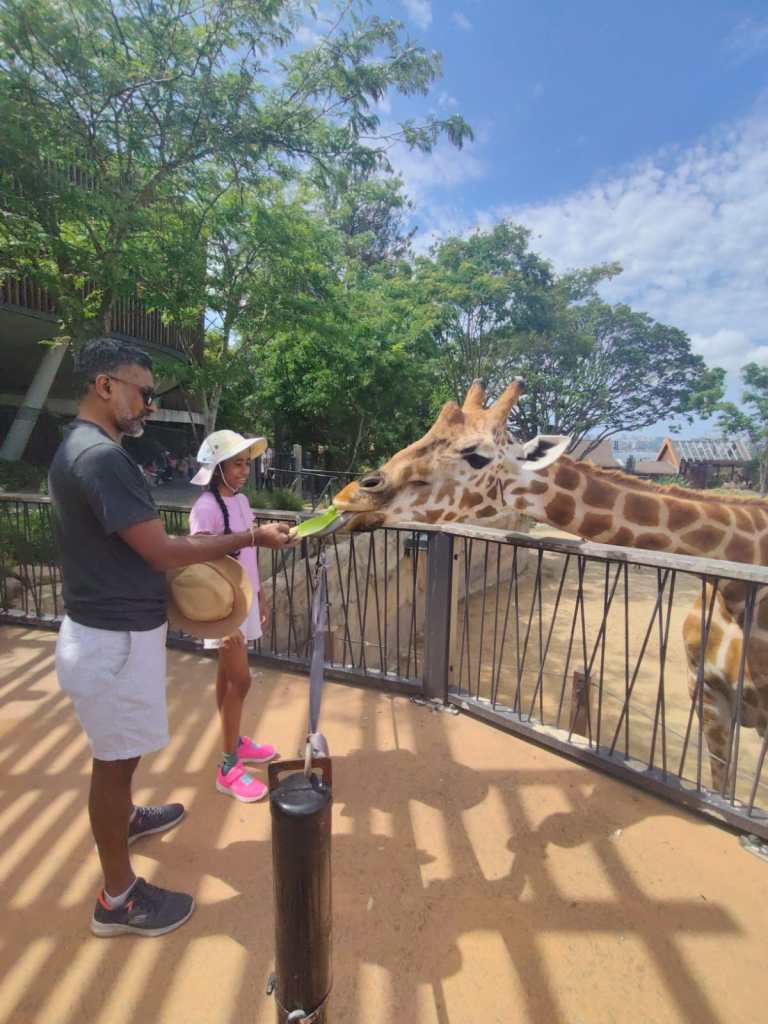
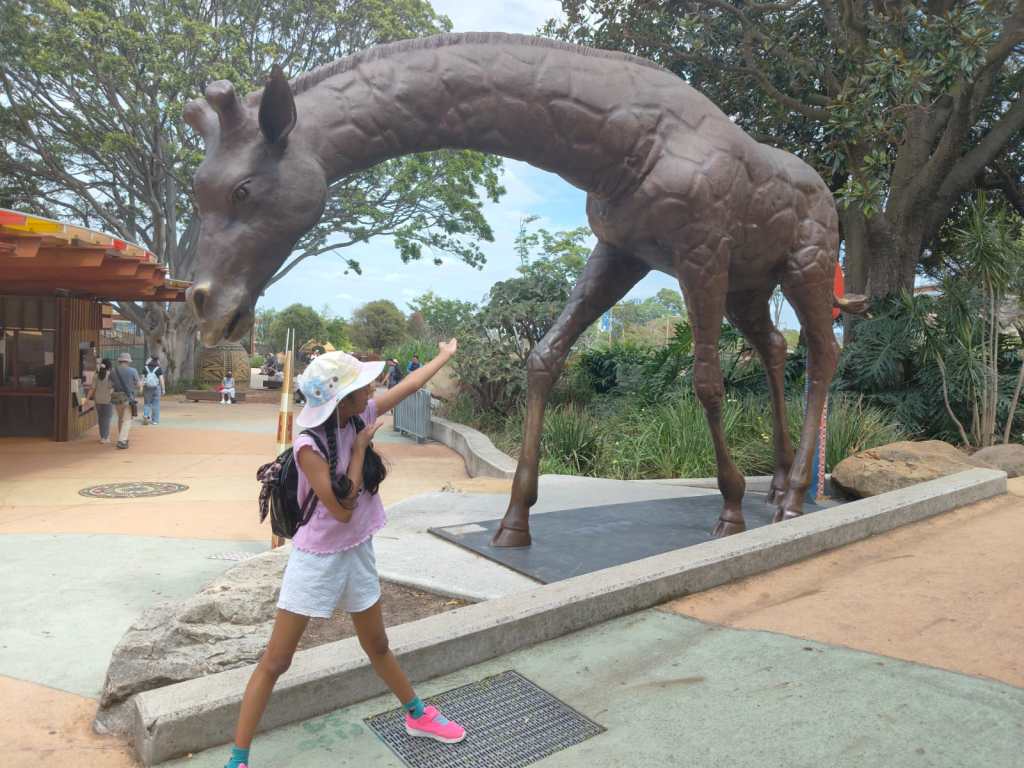
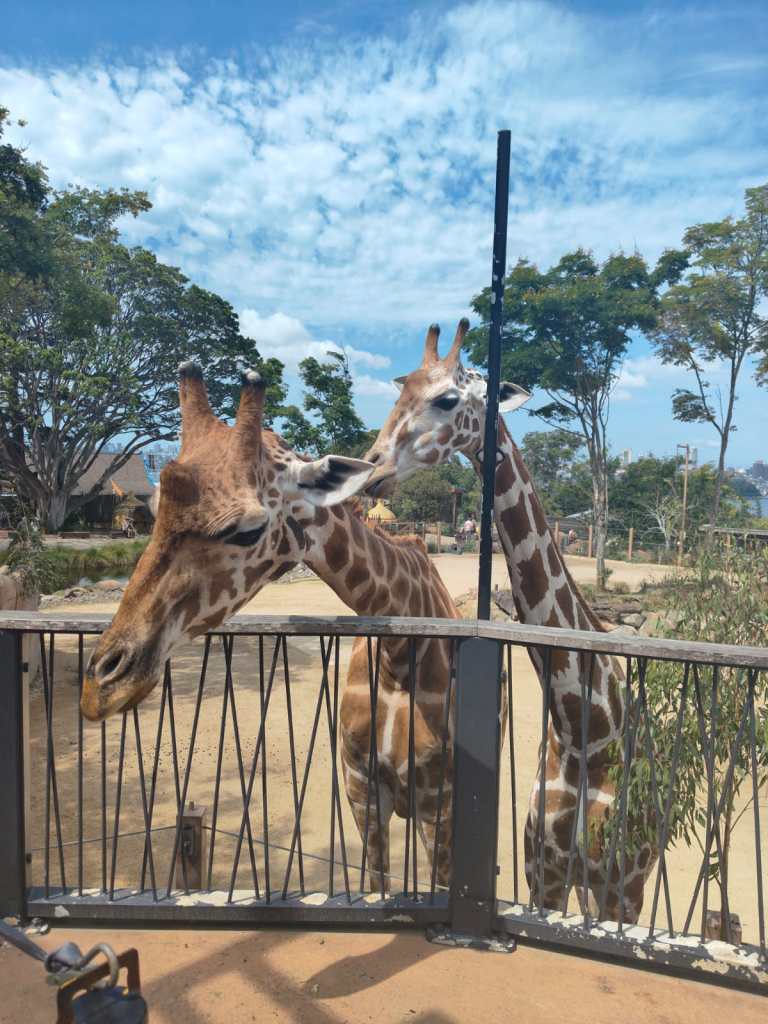
The African Savannah is home to animals such as giraffes, zebras, meerkats and lions. The giraffes are particularly striking because of their height and the way they move around their habitat. They are fascinating to watch, and the zoo’s elevated location provides lovely views around this area.
Meerkats are much smaller, but they can be just as entertaining to observe. Their social behaviour and alert posture make them interesting subjects for a keeper talk, especially when the keeper explains how they live together as a group.
The lion habitat offers a very different experience. Lions are powerful animals, and seeing them in person gives you a better appreciation of their size and presence. Depending on the time of day, you might find them resting or moving around their habitat.
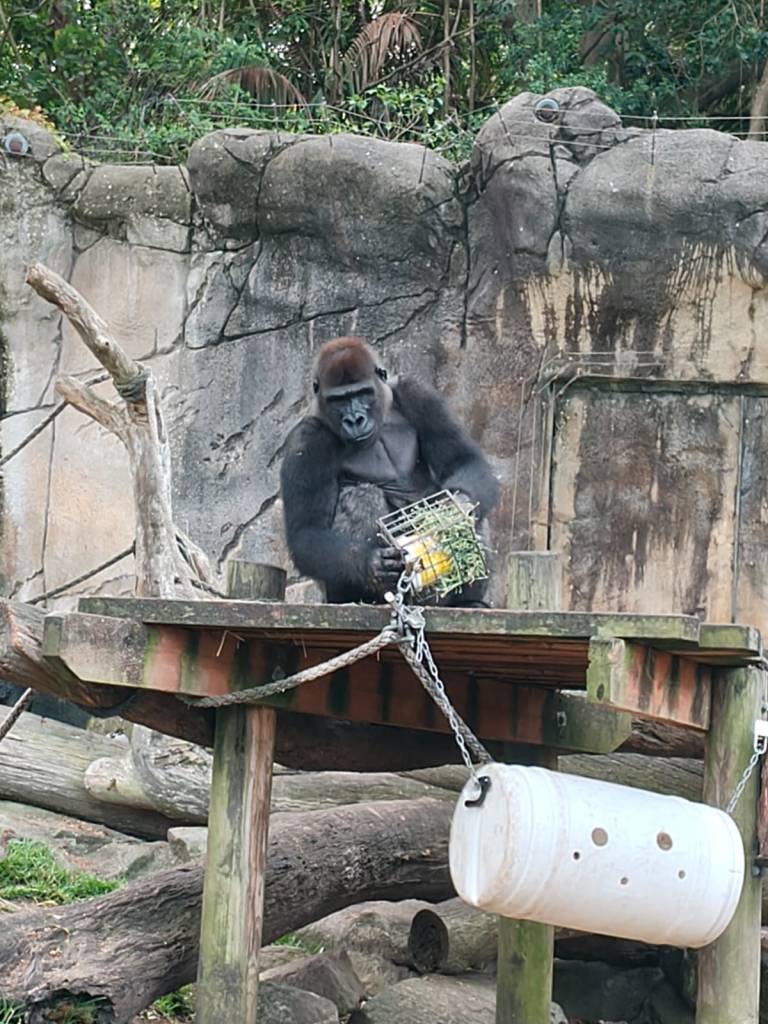
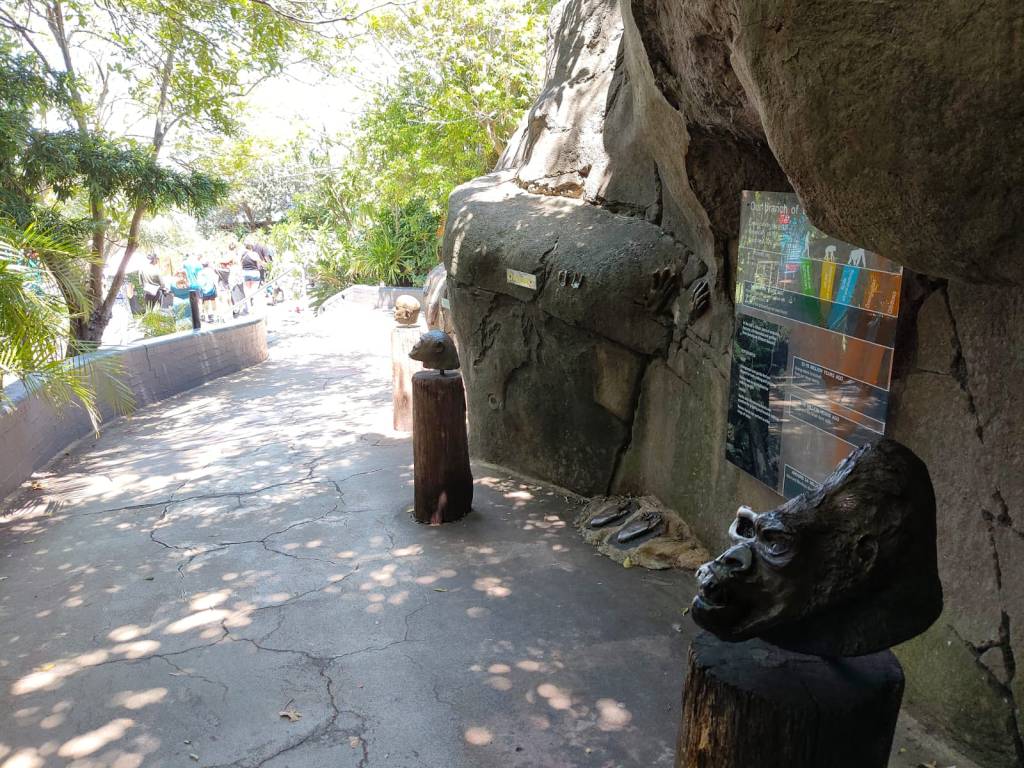
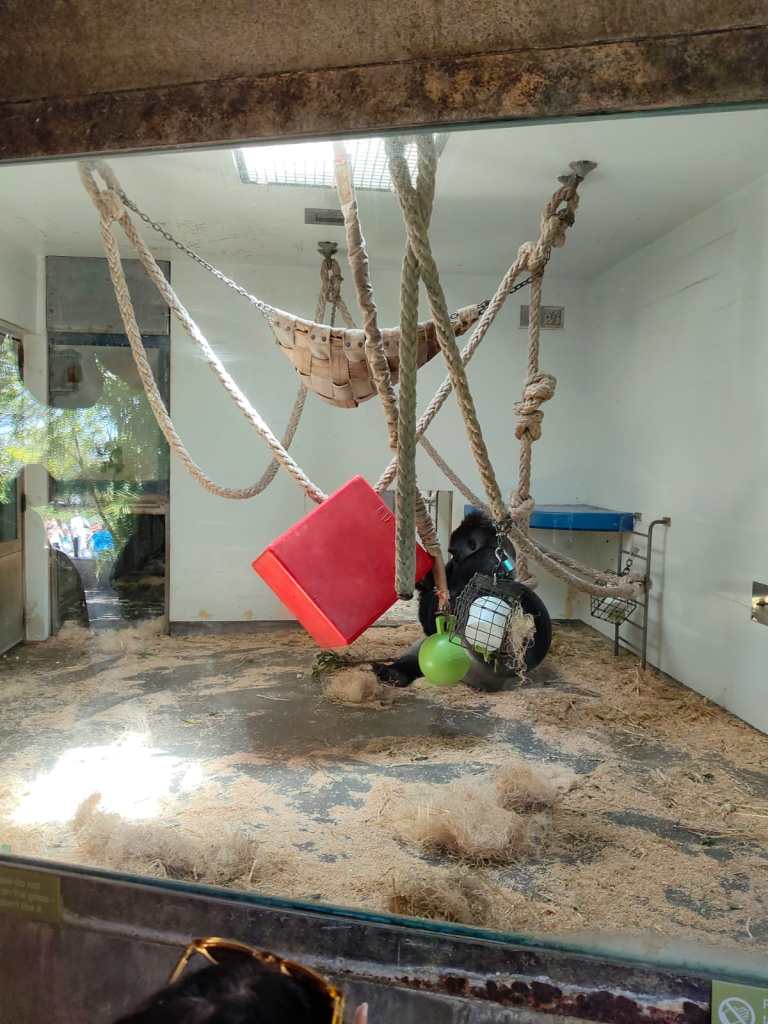
The zoo also has chimpanzees and gorillas. Watching primates can be particularly interesting because of their social behaviour, interactions and use of their surroundings. Keeper presentations help explain these behaviours and the work involved in caring for the animals.
One thing to remember is that animals do not perform on demand. Some may be active when you arrive, while others may be resting or out of sight. I would not rush past an enclosure simply because an animal is not immediately visible. Give it a little time, look around carefully and enjoy the experience.
Tigers and the Rainforest Trail
Tiger Trek is another of Taronga’s major habitats, focusing on Sumatran tigers. These animals are impressive to see, but they are also a reminder of the conservation challenges faced by species whose natural habitats are under pressure.
Sumatran tigers are endangered, and protecting them involves much more than caring for animals in a zoo. Conservation efforts also need to address threats in the wild, including habitat loss and poaching.
The Rainforest Trail offers a different atmosphere, with lush greenery and habitats for animals associated with tropical environments. Depending on the areas you explore, you may encounter animals such as otters, fishing cats, pygmy hippos and tropical birds.
I like the variety that these different habitats bring to a zoo visit. One moment you are looking at familiar Australian wildlife, and the next you are exploring an environment inspired by a rainforest or observing a large animal from another part of the world.
The seal habitat and marine life
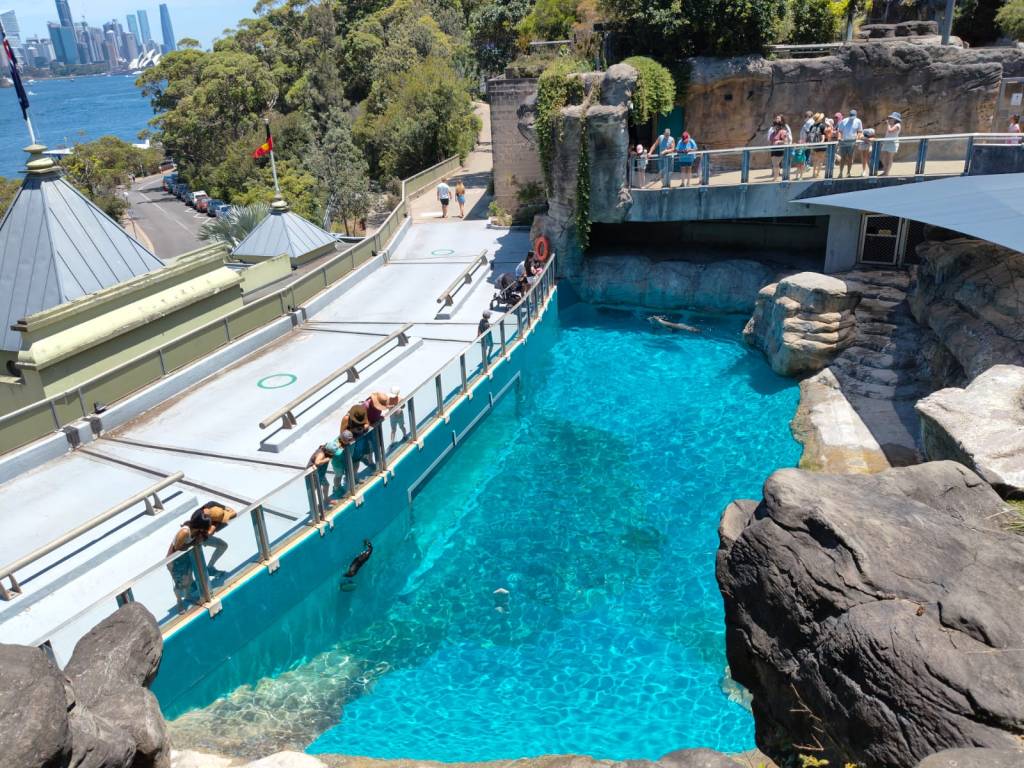
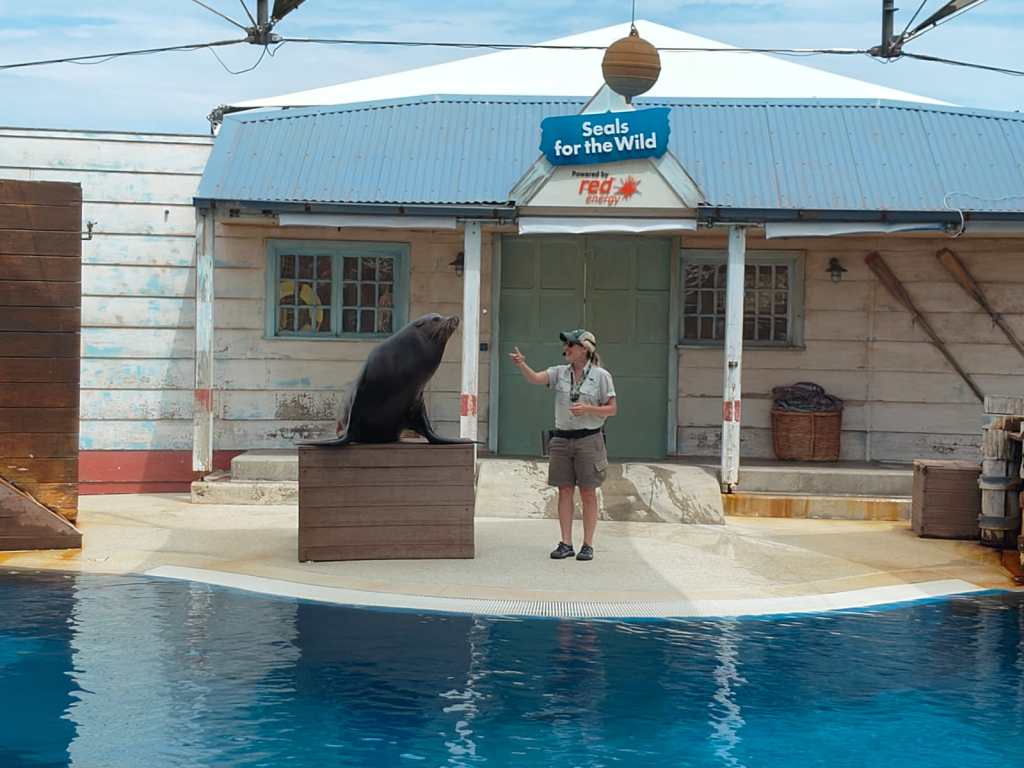
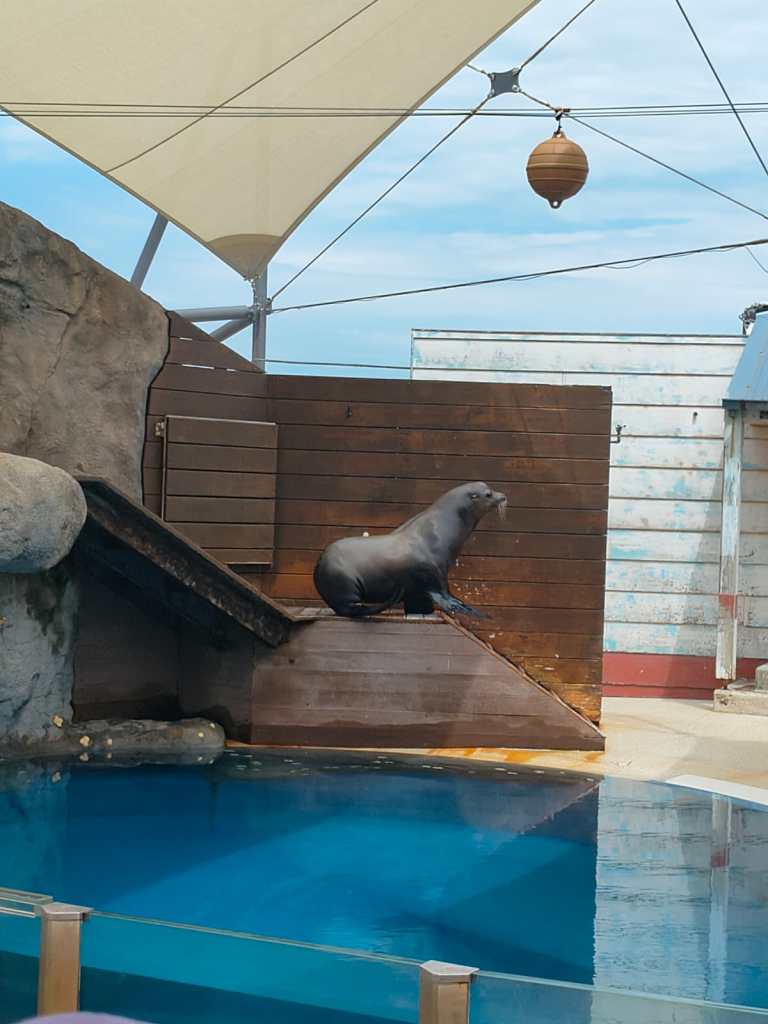
The seal area was another interesting stop during our visit. Watching seals in the water and on the platforms around their pool gives you a chance to appreciate how agile they are.
They move through the water with an ease that is very different from how they appear when resting on land. If you get the chance to watch them for a while, you can see how their movements and behaviour change between the two environments.
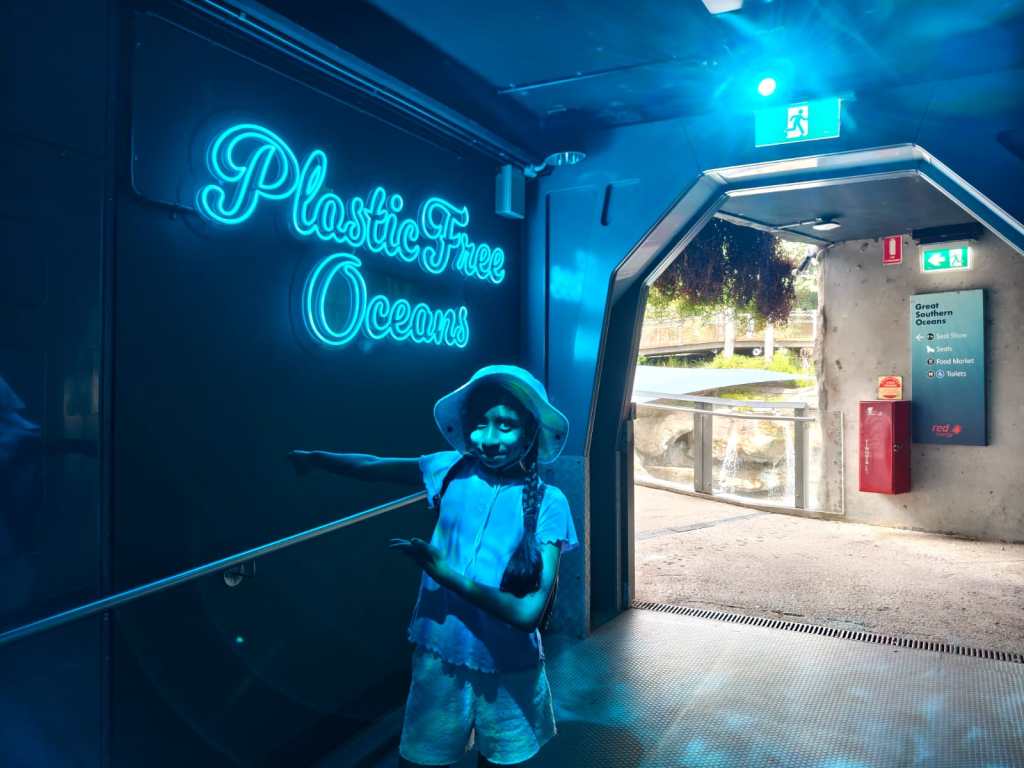
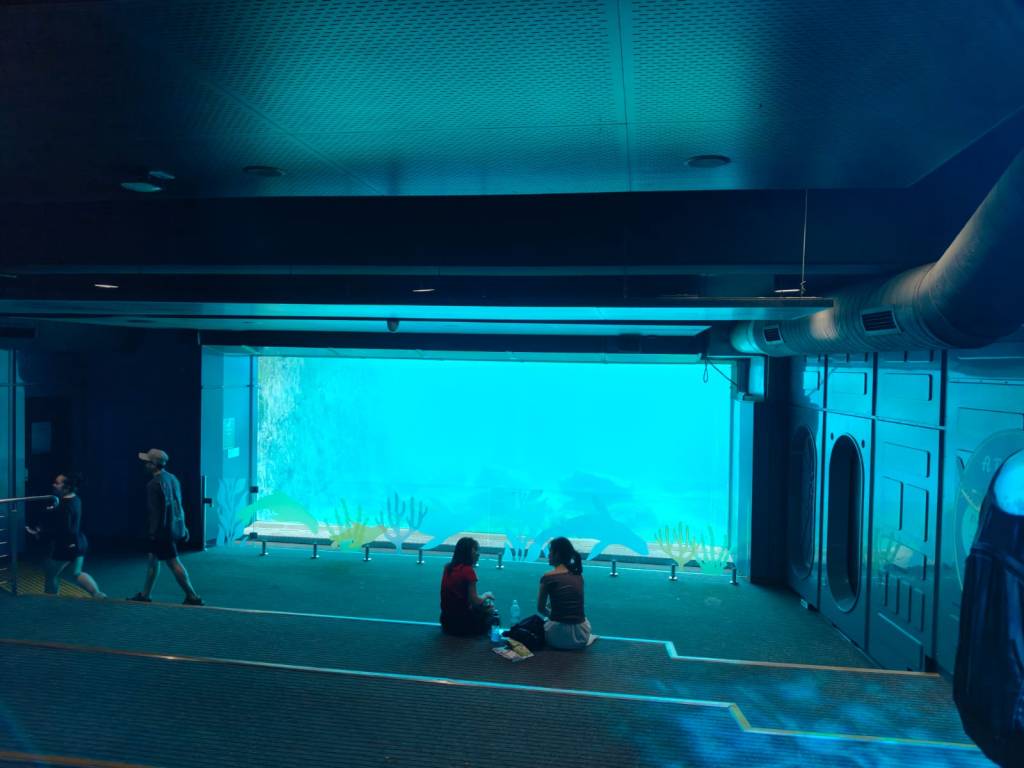
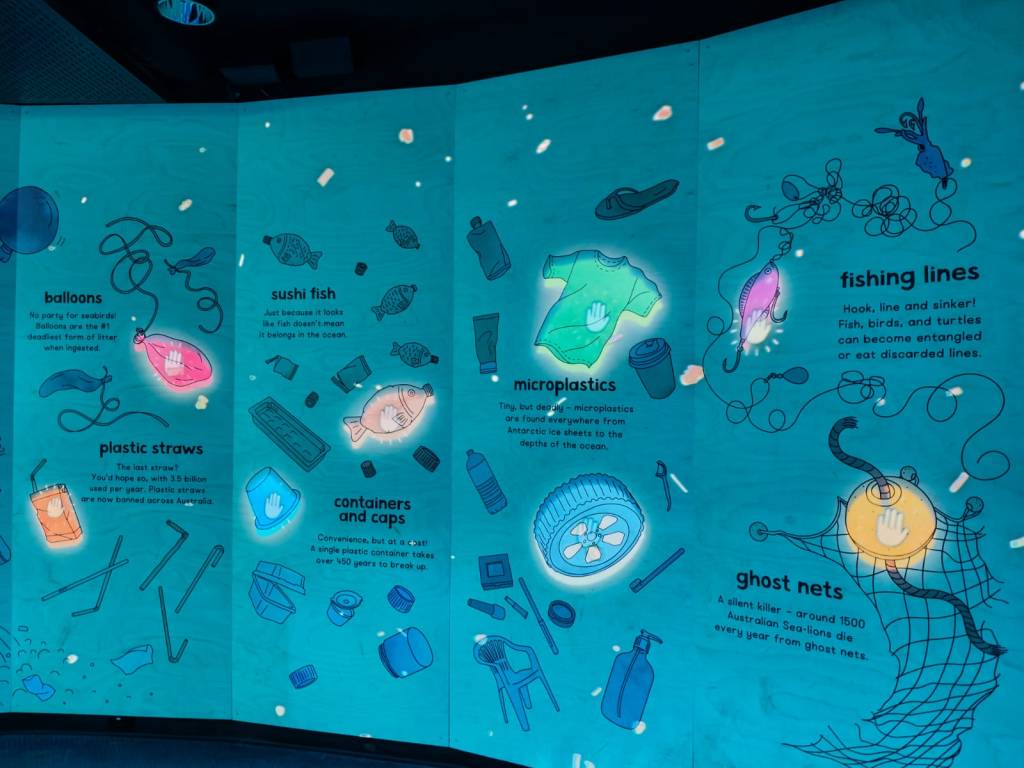
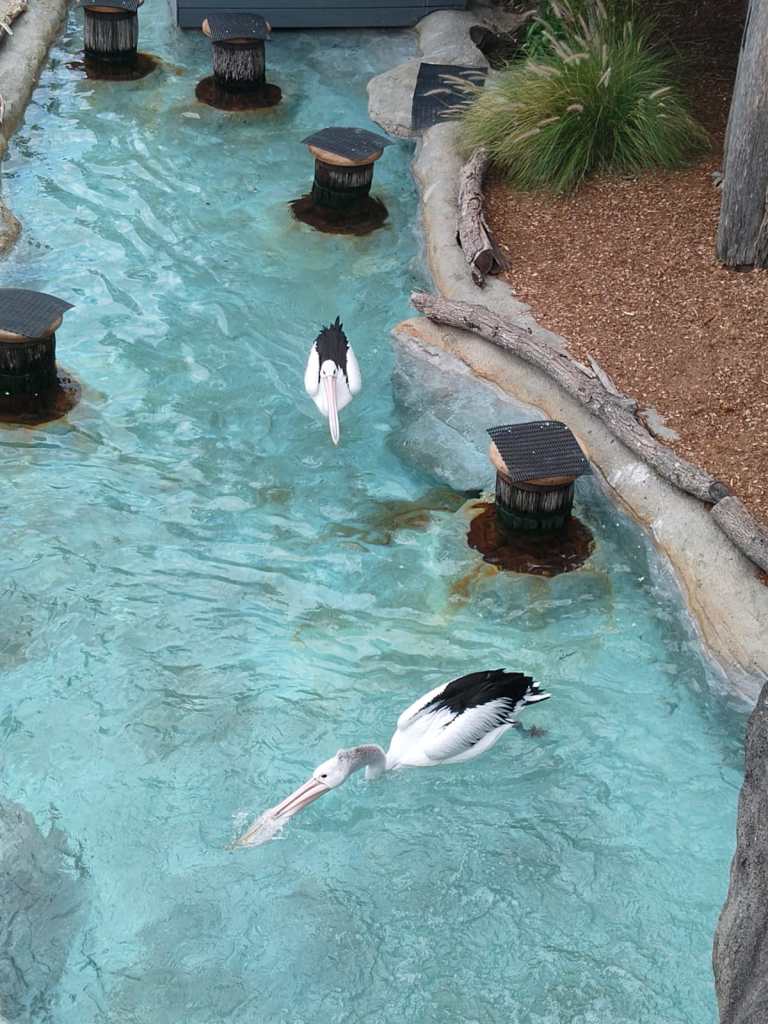
Taronga’s Great Southern Oceans area also features marine animals such as little penguins, sea lions and pelicans. It offers a change from the land-based habitats and gives visitors a chance to learn more about marine wildlife.
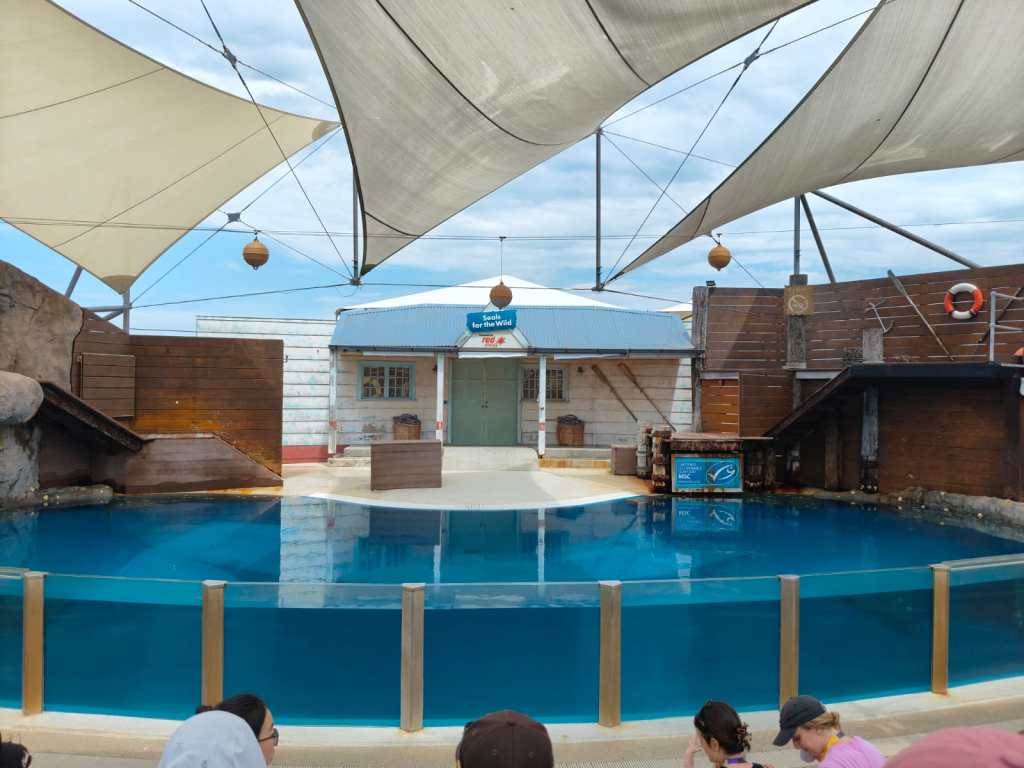
The zoo runs a scheduled presentation called Seals for the Wild. During the presentation, visitors can watch seals and sea lions dive, climb and catch fish while keepers explain their natural abilities and marine environment.
There is also a designated splash zone, so you may want to think about where you sit if you prefer to stay dry!
These presentations are included with zoo entry, but the viewing areas can fill up. If seeing the seals is high on your list, check the timetable and arrive early enough to find a good spot.
The Free Flight Birds presentation
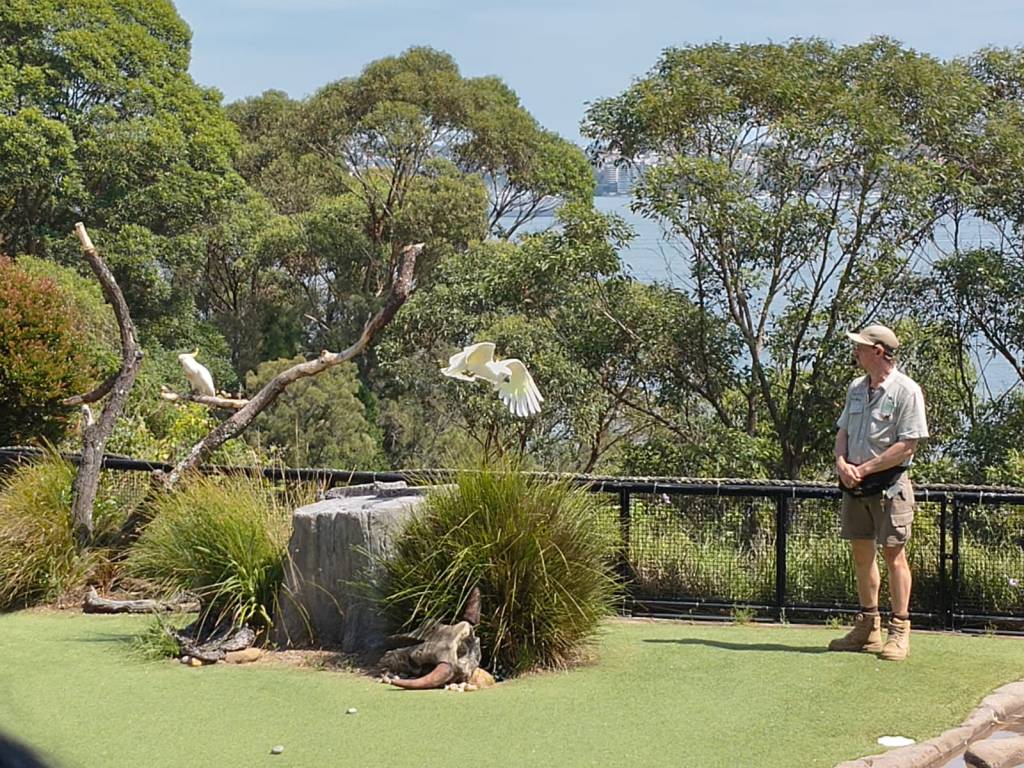
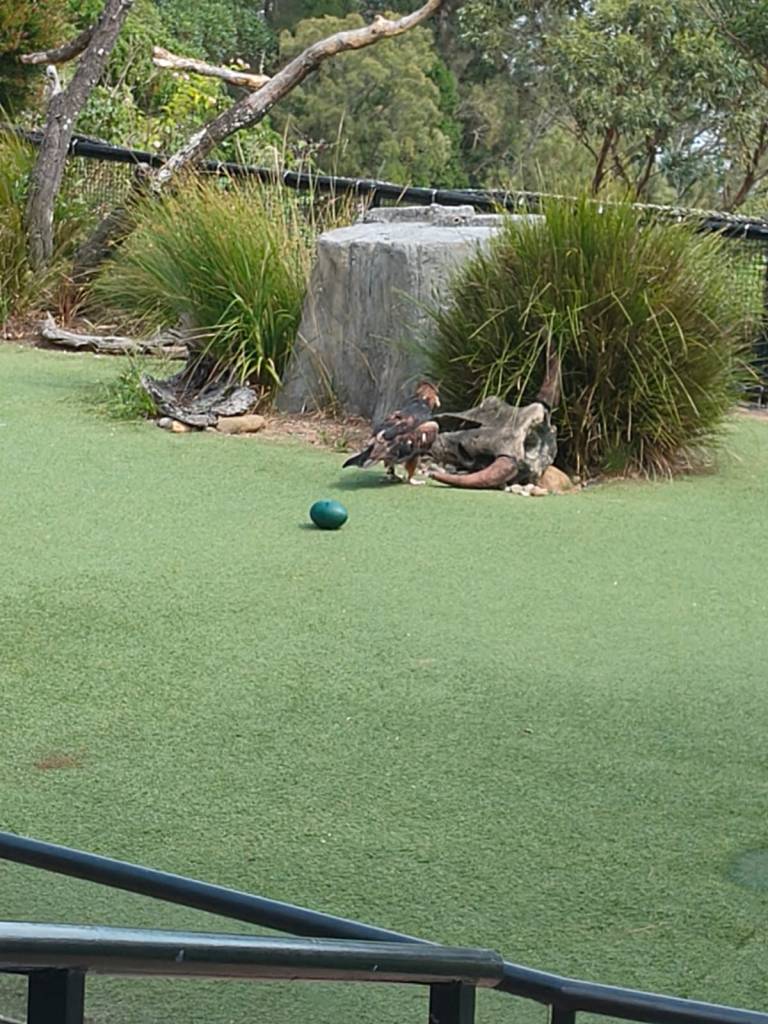
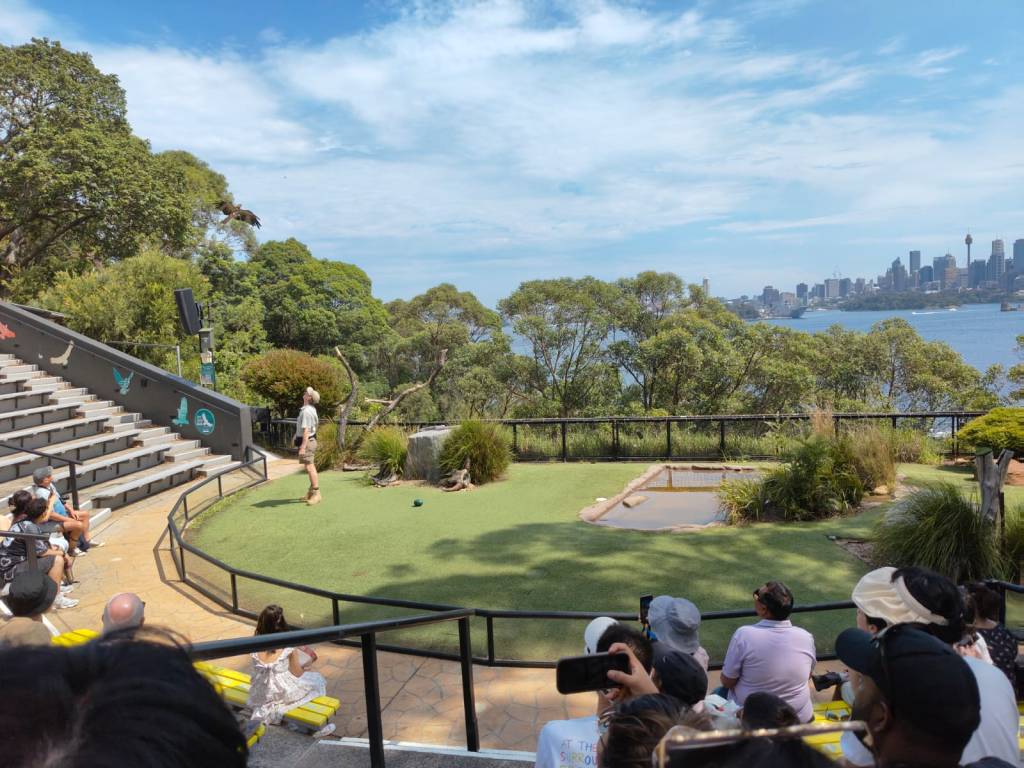
Another experience to look out for is the Free Flight Birds presentation. Birds such as cockatoos and other species are featured in a presentation that showcases their natural flying abilities.
What makes this particularly special is the setting. The birds fly against the backdrop of Sydney Harbour, bringing together wildlife and the scenery that makes Taronga Zoo so distinctive.
The presentation has been running for more than twenty years. It is weather-dependent, so wind or rain can affect whether it takes place.
If you plan to watch it, arrive early because seats can fill up. The zoo currently lists presentations at 12 noon and 3 pm, but it is always best to confirm the timings before your visit.
I would recommend including at least one keeper presentation in your day if you can. These sessions add context to what you see and help make the visit more than a series of animal photographs.
Feeding sessions and keeper talks
Taronga offers a range of keeper talks throughout the day. These are different from special animal encounters, which may involve an additional fee and advance booking.
The keeper talks cover different species and explain their behaviour, adaptations, diets and care. Some sessions take place around feeding time, giving visitors a chance to observe the animals while learning more about them.
The current programme includes talks involving animals such as rhinos, reptiles, meerkats, Tasmanian devils, lions, chimpanzees, dingoes, giraffes, capybaras, cassowaries, gorillas, koalas and kangaroos. The zoo also has a farmyard feeding session for visitors interested in animals such as goats, sheep and alpacas.
Here are some of the experiences you may want to look for when planning your day:
- Seal presentation: Watch seals and sea lions dive and catch fish, while learning about their marine environment.
- Free Flight Birds: See birds fly in an open setting with Sydney Harbour as the backdrop.
- Meerkat keeper talk: Learn about their social behaviour and watch them around feeding time.
- Lion and chimpanzee talks: Hear about the animals’ behaviour and social groups.
- Giraffe keeper talk: Learn more about these tall animals and their distinctive adaptations.
- Koala keeper talk: Understand why koalas sleep for so many hours and how they live in their eucalyptus habitat.
- Kangaroo keeper talk: Learn about kangaroo behaviour, adaptations and family life.
- Farmyard feed: A family-friendly opportunity to meet familiar farm animals.
The exact programme and timings can change, so use the official Taronga Zoo keeper talks page to plan around the current schedule.
One practical suggestion is to avoid booking yourself into too many presentations. The zoo is large, and travelling between habitats takes time. Pick the sessions that interest you most and leave room to explore at your own pace.
The gardens and walking trails
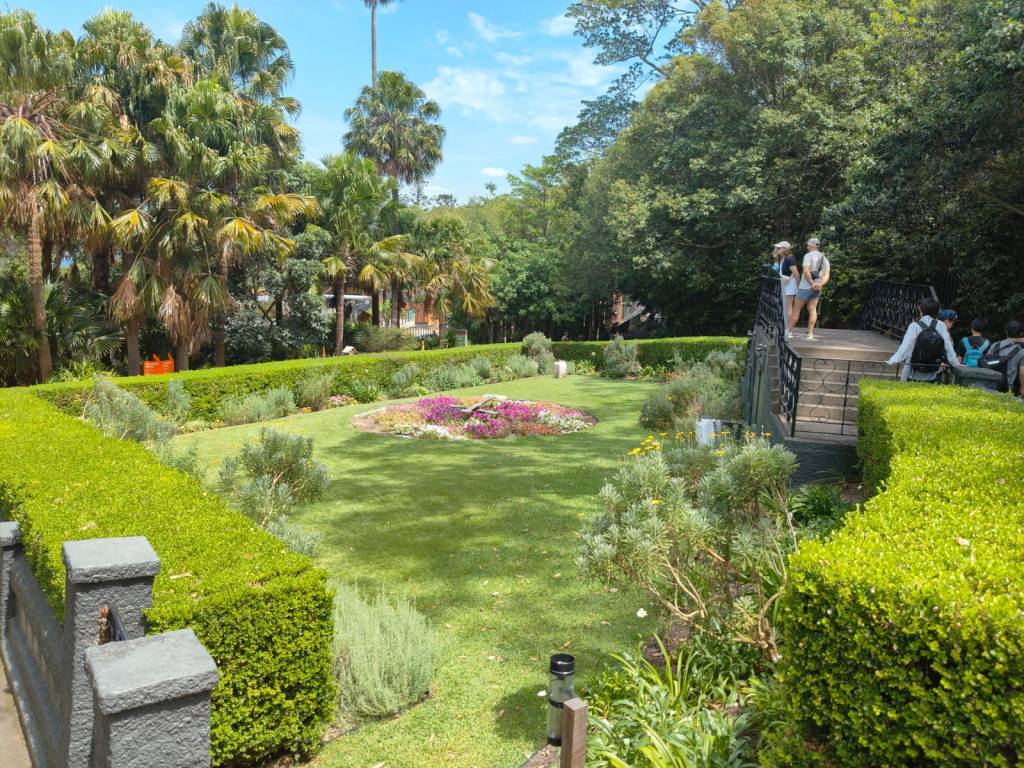
Taronga Zoo is not just about the animals. The gardens and landscaped areas make the walk between exhibits enjoyable, with plenty of greenery and places to stop for a breather.
There are open spaces, shaded paths and different viewpoints around the zoo. On a sunny day, the combination of trees, blue skies and harbour views makes for some lovely photographs.
The different trails also give the zoo a sense of variety. You move between habitats, each with its own atmosphere, rather than spending the entire day in one type of environment.
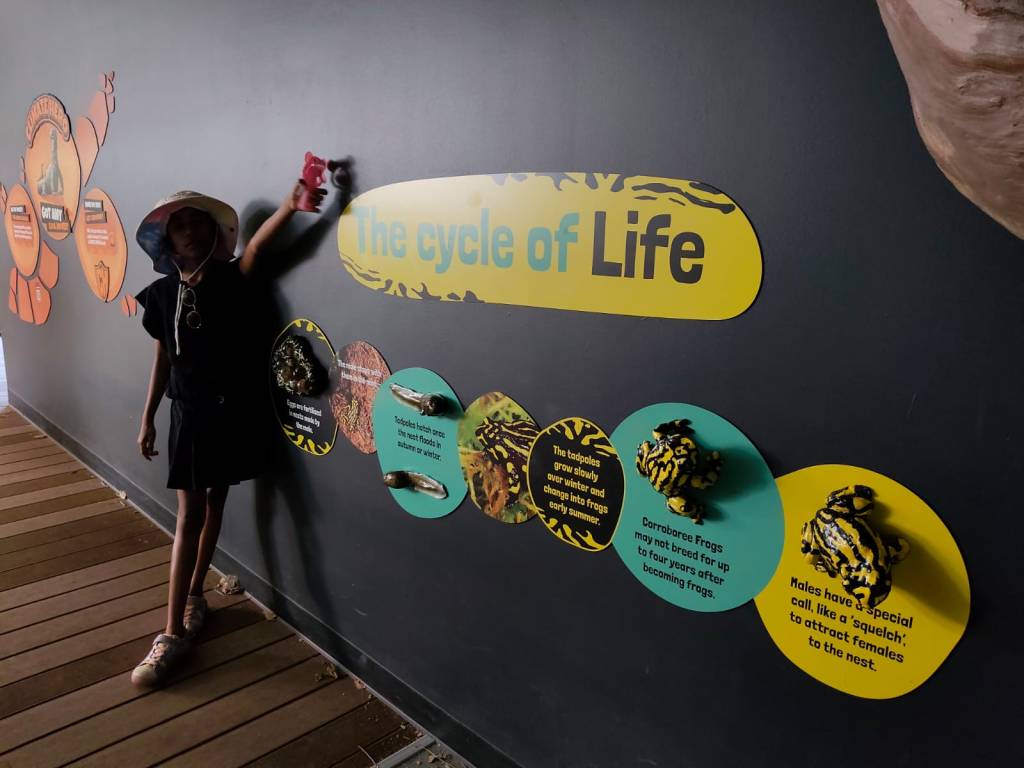
The Amphibian and Reptile Conservation Centre, known as ARC, is worth considering if you are interested in reptiles and amphibians. It features animals such as snakes, lizards and frogs, offering a closer look at creatures that sometimes receive less attention than the larger mammals.
Backyard to Bush is another family-friendly area, with farm animals and experiences designed to help younger visitors connect with animals and nature.
These sections are useful reminders that there is more to wildlife than the animals that usually appear on postcards. Every species has its own role in the natural world, and the zoo provides opportunities to learn about many of them.
The harbour views are a bonus
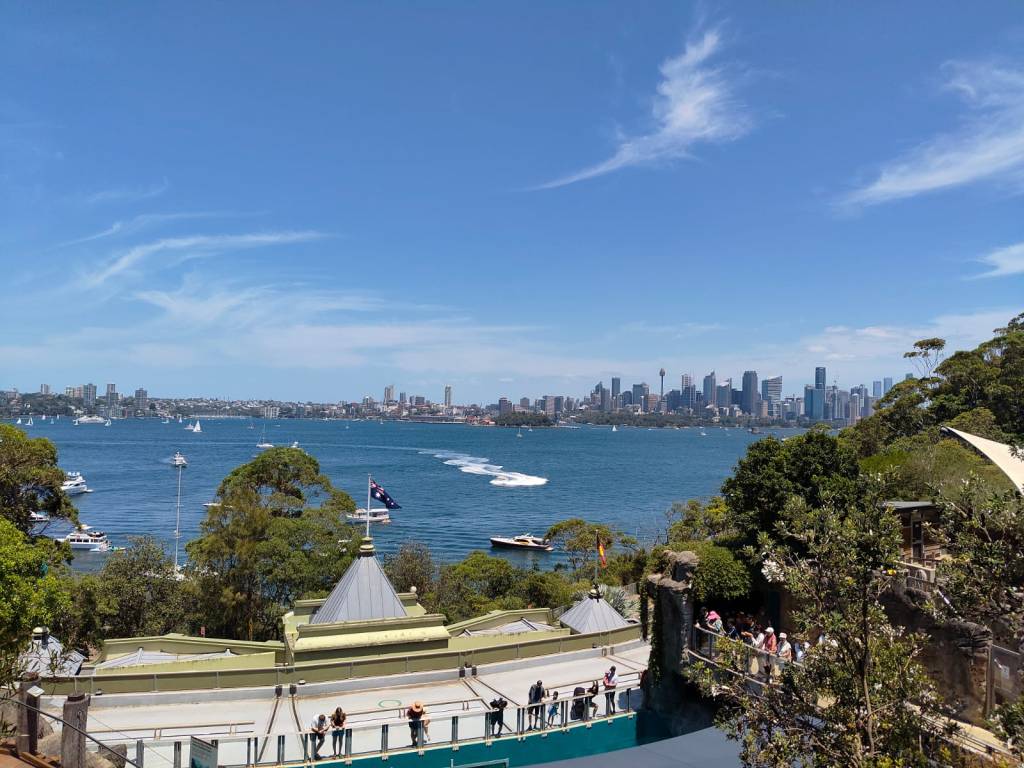
One of the things that makes Taronga Zoo special is its location. The zoo sits on Sydney Harbour, and there are several places around the grounds where you can look out towards the water and the city skyline.
You might arrive primarily to see the animals, but the views are an attraction in themselves. Finding a spot to sit with a snack and look out over the harbour is a lovely way to take a break during the day.
It is also a reminder of how much Sydney’s geography shapes the city. The harbour is not just a backdrop for photographs. It connects neighbourhoods and makes ferry travel a practical and enjoyable way to get around.
For me, the combination of wildlife and harbour scenery is one of the things that makes Taronga different from a zoo located away from the city. You can spend time watching animals and then look out towards the water and realise just how beautiful the setting is.
Keep your camera ready for these views as well. Some of the photographs from a zoo visit can end up being as much about the surroundings as the animals themselves.
Getting to Taronga Zoo: Uber, ferry and bus
We used different transport options across our two visits, and each worked well for us.
Option 1: Take an Uber
For our January 2025 visit, we took an Uber to the zoo. This was straightforward and convenient, especially when travelling as a family. It took us directly to the entrance without the need to coordinate a ferry and bus.
The main advantage is simplicity. You can start exploring as soon as you arrive, without having to think about connections.
The downside is that you miss the experience of arriving by water. If you have time, I would recommend taking the ferry at least one way.
Option 2: Take the ferry from Circular Quay
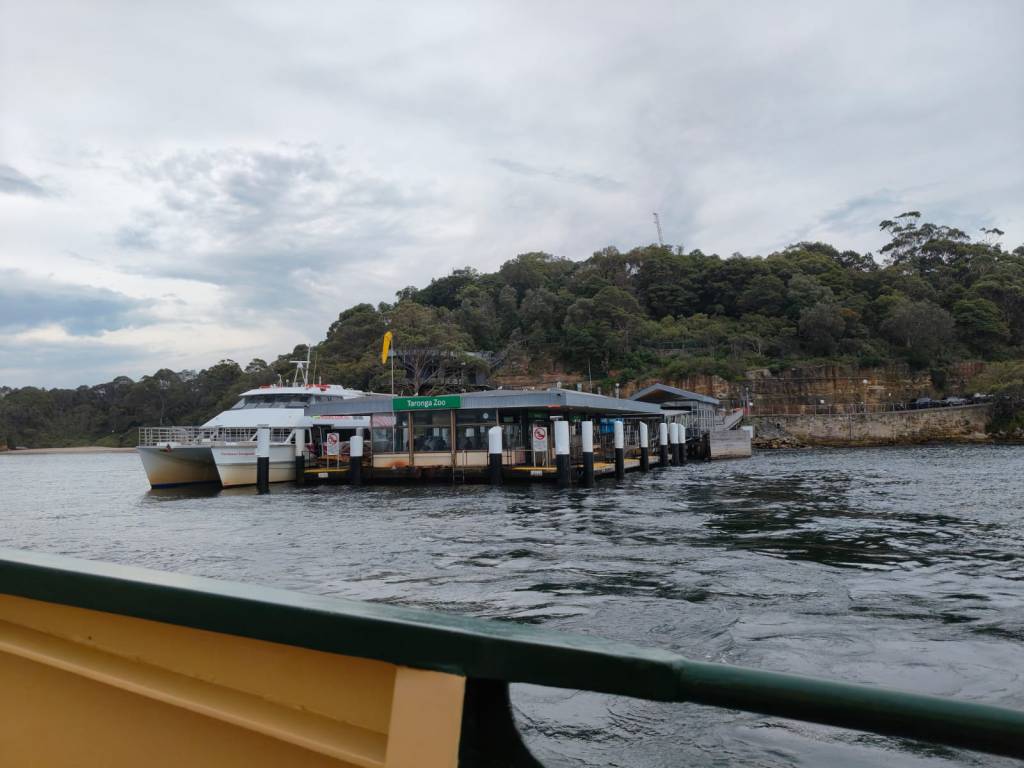
For our February 2026 visit, we travelled by ferry in both directions. The ferry from Circular Quay to Taronga Zoo Wharf is a quick connection from the city, and the journey itself is worth including in your plans.
The ferry arrives at the lower entrance of the zoo. From there, you can walk uphill or use the available bus or shuttle options to reach the main entrance. We took a public bus up to the zoo, which made the start of the day easier.
The return ferry was equally enjoyable. After several hours of walking around the zoo, it was nice to sit back, relax and take in the harbour views on the way back to the city.
Which option would I recommend?
If this is your first visit, I would recommend taking the ferry at least one way. You can take an Uber to the main entrance and return by ferry, as we did on our first visit, or take the ferry both ways, as we did the second time.
If you choose the ferry, remember that the wharf is at the lower entrance. Factor in the uphill walk or check the bus and shuttle arrangements before you travel. This is particularly useful if you are visiting with younger children or anyone who would prefer to avoid the climb.
Food, cafés and water refill stations
You do not need to leave the zoo to find somewhere to eat. There are cafés and food outlets around the grounds, with options for a quick snack or a longer break. There are also picnic areas where you can bring your own food and enjoy the setting.
Having food options inside the zoo makes a difference when you are spending most of the day there. Rather than stopping the visit to find a restaurant elsewhere, you can take a break and then continue exploring.
I would still recommend carrying a reusable water bottle. There are water refill points around the zoo, which are useful when you have been walking for several hours.
A hat, sunscreen and comfortable walking shoes are also important. Much of the visit takes place outdoors, and Sydney’s sun can be strong, even when the weather feels pleasant.
How I would plan a full day at Taronga Zoo
My biggest recommendation is to avoid treating Taronga Zoo as a quick stop. There is enough to see and do to fill most of the day, especially if you want to watch some of the keeper presentations.
If I were planning another visit, I would keep these points in mind:
- Buy tickets online: Check the official website for current ticket prices and available offers.
- Start early: An earlier arrival gives you more time to explore without rushing.
- Look at the map first: Decide which habitats you most want to see and use the map to plan a sensible route.
- Check the presentation schedule: Choose the seal presentation, bird presentation or keeper talks that interest you.
- Allow time for lunch: Take a proper break rather than trying to walk around the zoo continuously.
- Wear comfortable shoes: The grounds are large, and there are slopes to navigate.
- Carry water and sun protection: A reusable bottle, hat and sunscreen will make the day more comfortable.
- Leave room for unplanned stops: Some of the best parts of the visit happen when you stop longer than expected to watch an animal or enjoy a view.
If you are visiting with children, I would also let them choose a few animals they particularly want to see. It makes the day more engaging, and you do not need to rush from one attraction to another.
The official Taronga Zoo visitor information page has the latest details about opening hours, tickets, transport, food options and accessibility.
Is Taronga Zoo worth visiting?
Absolutely. I would recommend Taronga Zoo to families visiting Sydney, but it is not just for children. Anyone who enjoys wildlife, nature and being outdoors can have a great day here.
What makes it particularly appealing is the combination of experiences. You get to see animals from Australia and other parts of the world, learn about wildlife and conservation, walk through green spaces, enjoy views of Sydney Harbour and take a ferry ride if you choose to travel by water.
Our two visits also reminded me that you can experience the same place differently depending on who you are travelling with and how much time you have. The January 2025 visit was a family day out, while the February 2026 visit with my daughter was more leisurely. We had time to pause, explore and enjoy the day without feeling that we had to hurry.
If you are planning a trip to Sydney, set aside a full day for Taronga Zoo. Buy your tickets in advance, check the daily schedule, carry your water bottle and sun protection, and take the ferry if you can.
For me, Taronga Zoo is one of those places where the experience extends beyond the main attraction. It is about the animals, the walk through the grounds, the time spent together and the harbour views that make Sydney such a wonderful city to explore.
It is a lovely way to spend a day in Sydney, and one I would happily recommend to anyone visiting the city.

