
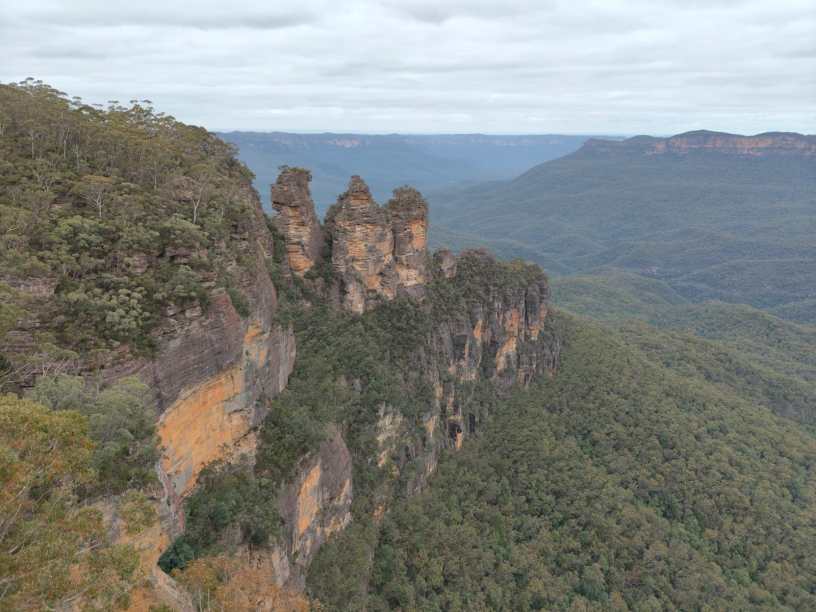
When I first planned our Blue Mountains day trip from Sydney, my instinct was simple. Rent a car, drive up, spend the day and drive back. Then my daughter and I changed our minds. She loves trains and public transport, so we decided to make the journey part of the experience itself. Instead of driving, we would use Sydney trains, the Intercity train to Katoomba, local buses and our feet. It turned out to be one of the most enjoyable days of our entire Sydney trip.
Looking back at the photos now, I realise we didn’t just visit the Blue Mountains that day. We experienced several layers of it at once, the spectacular landscape, the rainforest, the waterfalls, the old coal mining history and the remarkable engineering behind Scenic World.
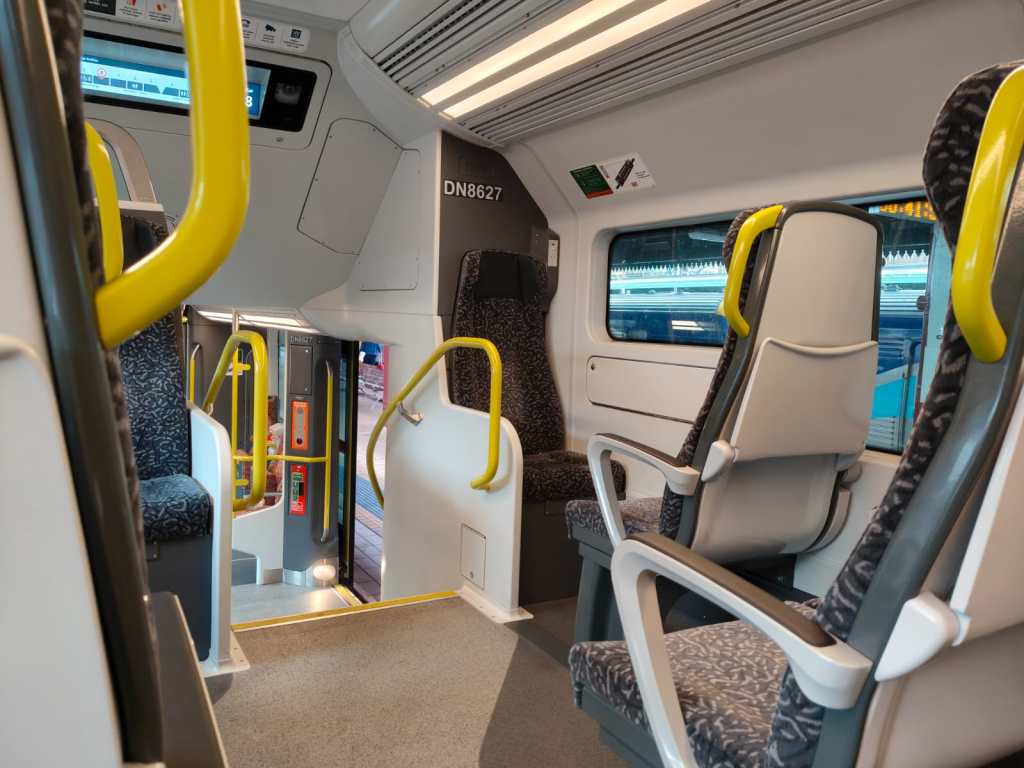
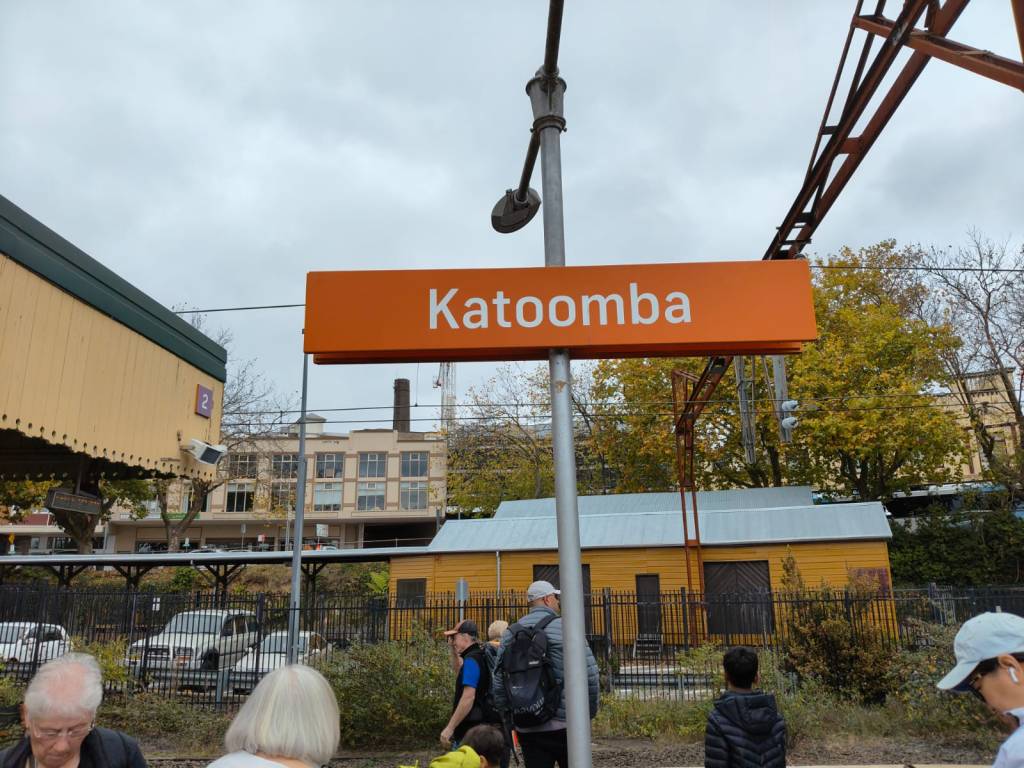
We left the Sydney Harbour Marriott at 8:21 AM and walked to the station, then caught a short train to Central. From there we took the Intercity train heading towards the Blue Mountains. For my daughter, the train itself was already part of the attraction. The newer Intercity trains are double-decker, and the interior feels noticeably different from the regular Sydney suburban trains, with more of a sense that you are going somewhere rather than simply commuting across the city. Katoomba sits about 110 km from Sydney by rail and more than a kilometre above sea level, and the journey took just under two hours. We arrived at 10:51 AM, and that was the moment our Blue Mountains adventure really began.
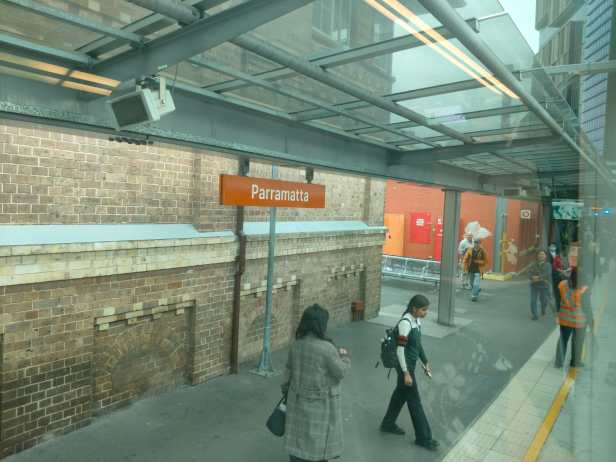
Katoomba is not just a tourist stop. The railway reached the area in the nineteenth century, with the first platform opening in 1874, and the line helped tourism and commercial activity grow rapidly through the late 1800s. But it was coal and shale mining, dating back to the 1870s, that shaped Katoomba even more. Those dramatic cliffs weren’t just something people came to admire. They were once part of a working industrial landscape, and that history is still visible today at Scenic World.
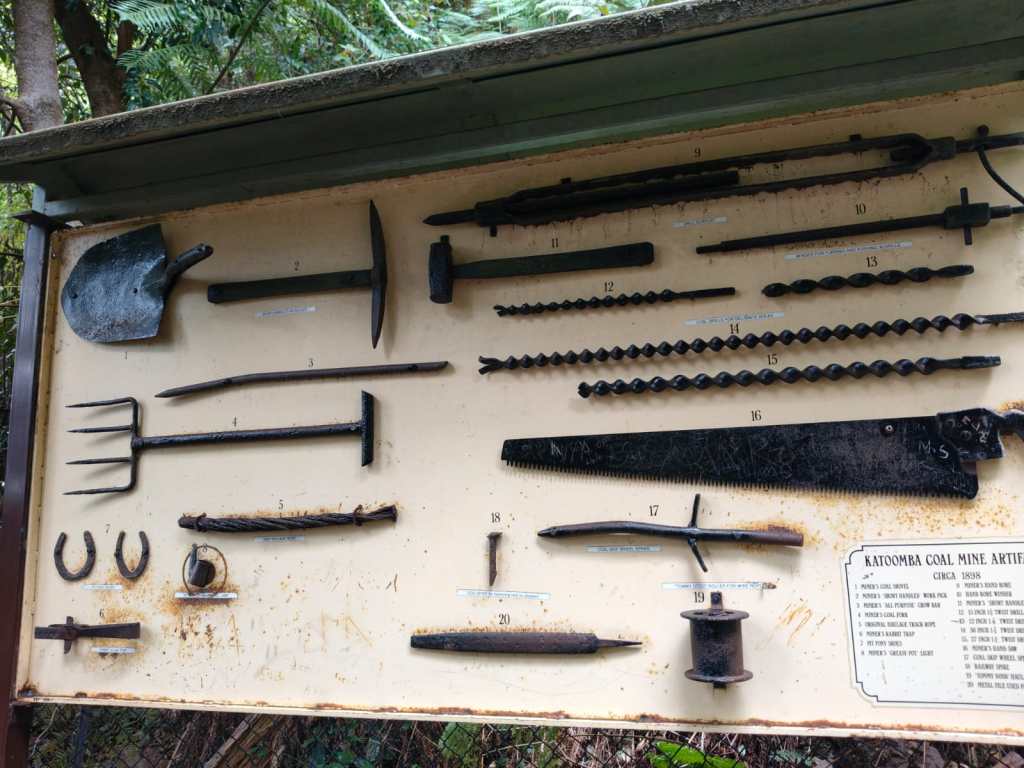
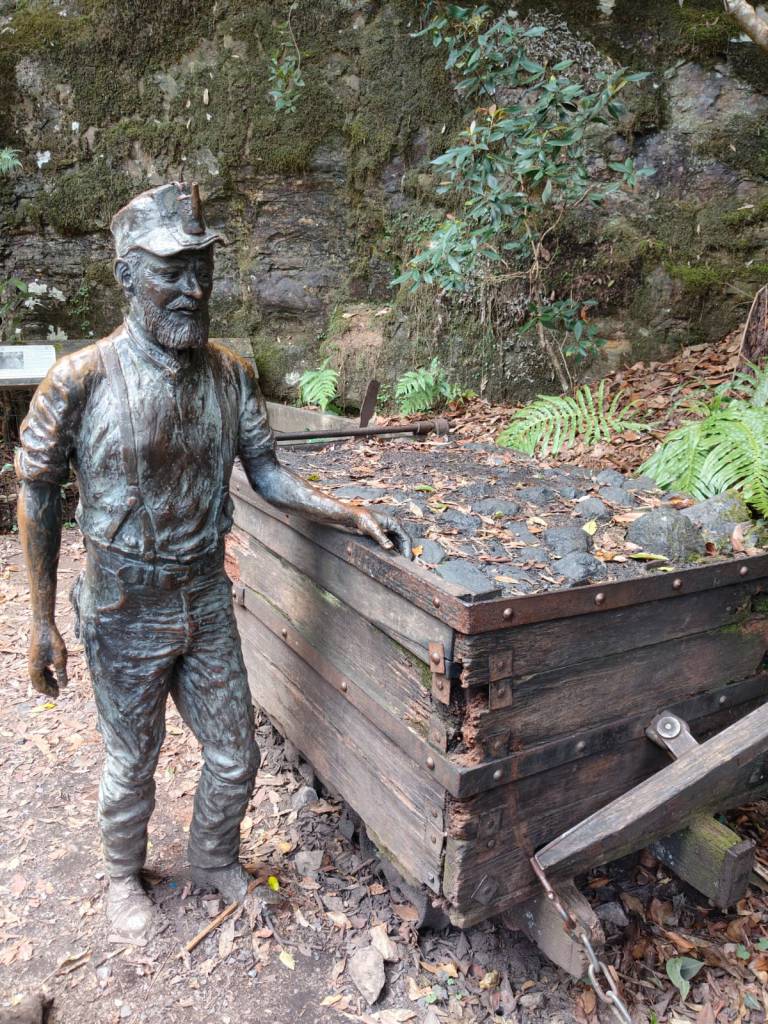
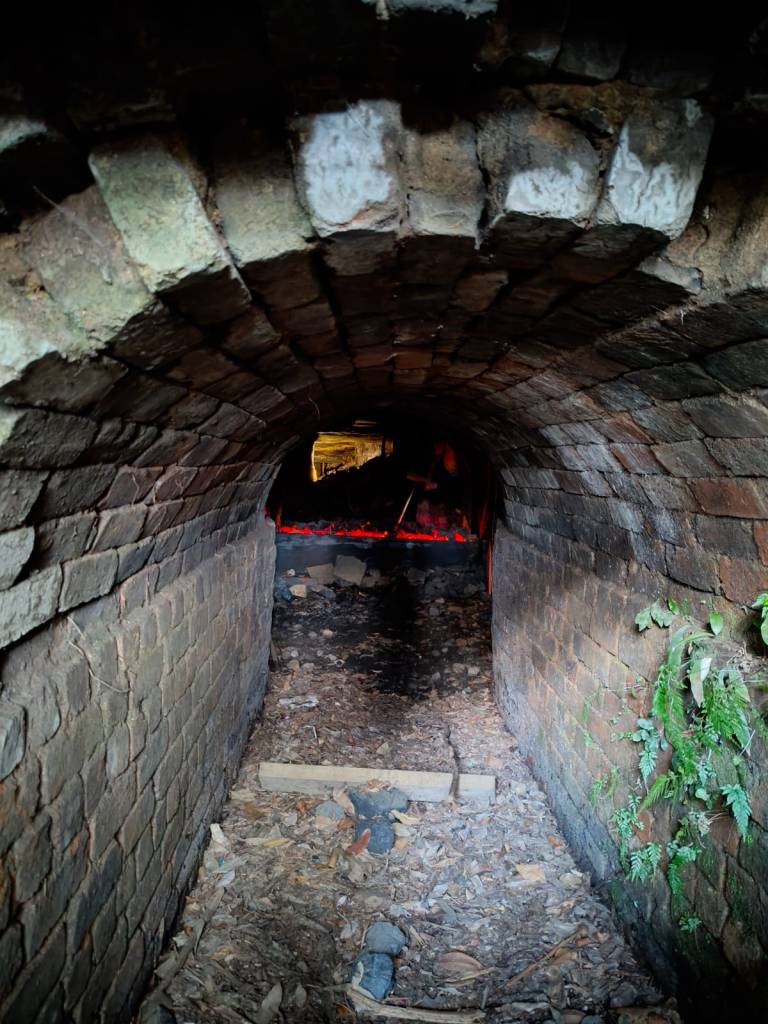
Before visiting, I knew about the Scenic Railway. I didn’t realise how unusual its history actually was. It wasn’t built for tourists at all. It was built in the 1880s to haul coal and oil shale from the Jamison Valley up to the plateau above, and mining continued for decades before the railway was gradually converted for passengers. The mine finally closed in 1945, marking the start of the Scenic World we know today. Even the small details along the walk, the old mine tunnel, the mining equipment, the tracks, made much more sense once we understood this. Suddenly Scenic World wasn’t just a collection of rides. It was a piece of industrial history sitting inside a rainforest.
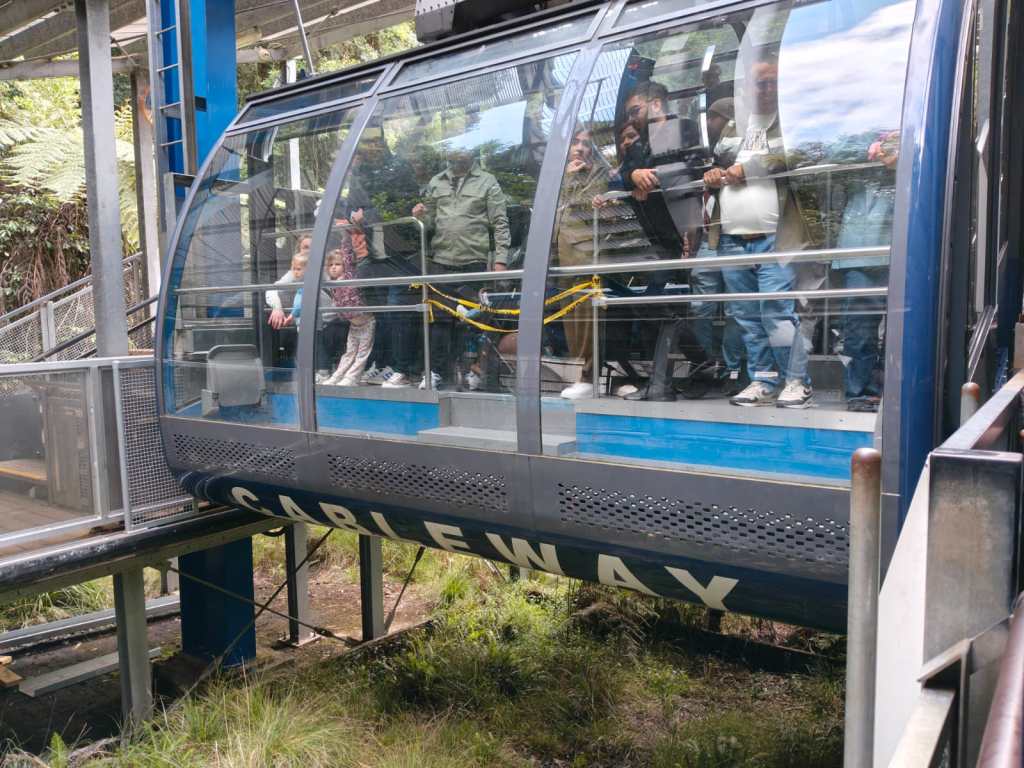
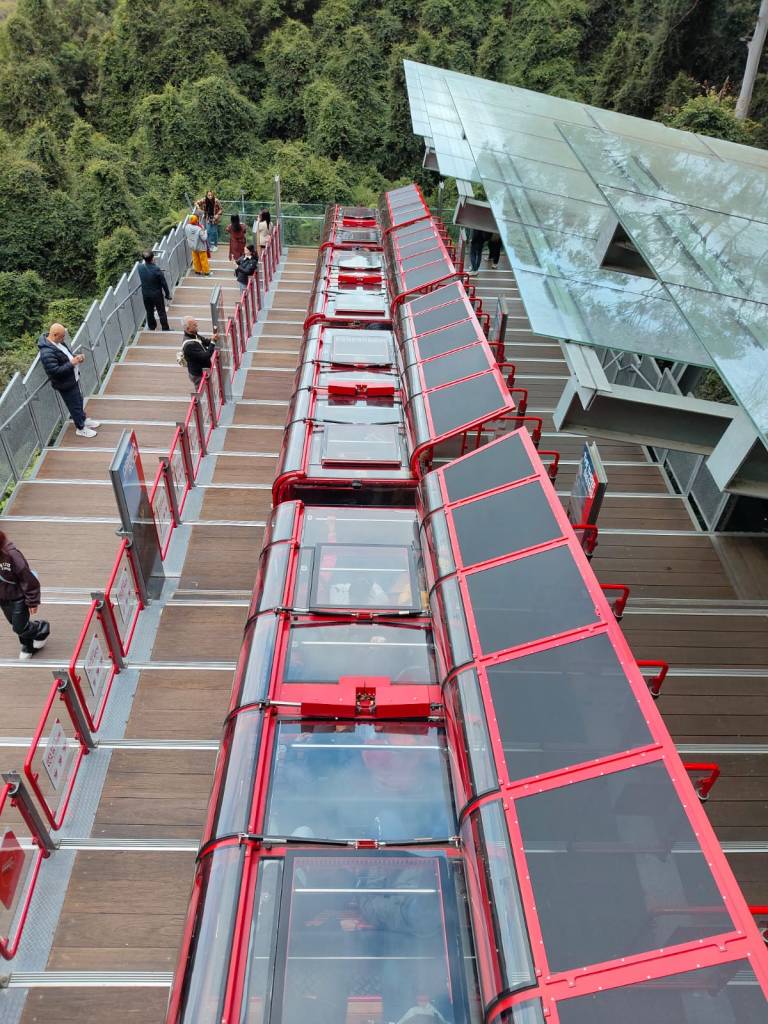
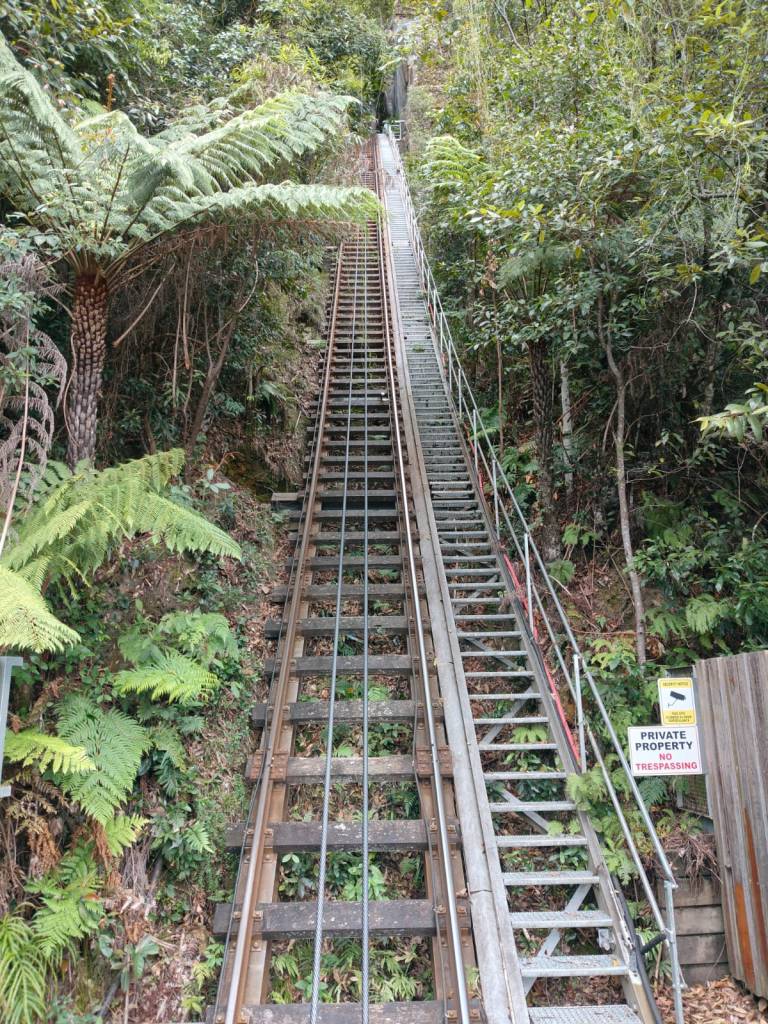
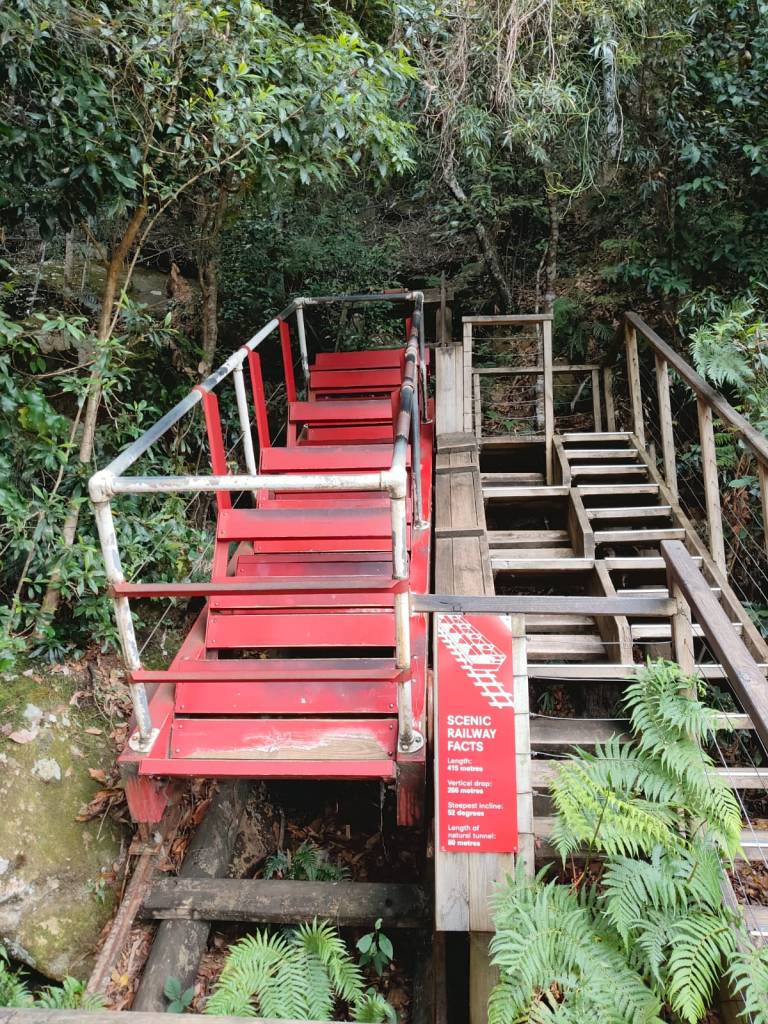
The railway is now famous for a different reason. It has a 52 degree incline and is recognised as the world’s steepest passenger railway, dropping around 310 metres into the Jamison Valley. The photograph I took looking down the old track barely does it justice. It looks almost like someone built a roller coaster in the middle of a rainforest, and then you see the actual red carriages and realise people voluntarily climb into them. We did too.
Scenic World also has two other rides worth the time. The Scenic Cableway descends more gently at 36 degrees and holds the record for the steepest aerial cable car in the Southern Hemisphere. The Scenic Skyway glides 270 metres above the valley floor and is billed as the largest aerial cable car in the region, offering sweeping views of the Three Sisters, Katoomba Falls and the valley below.
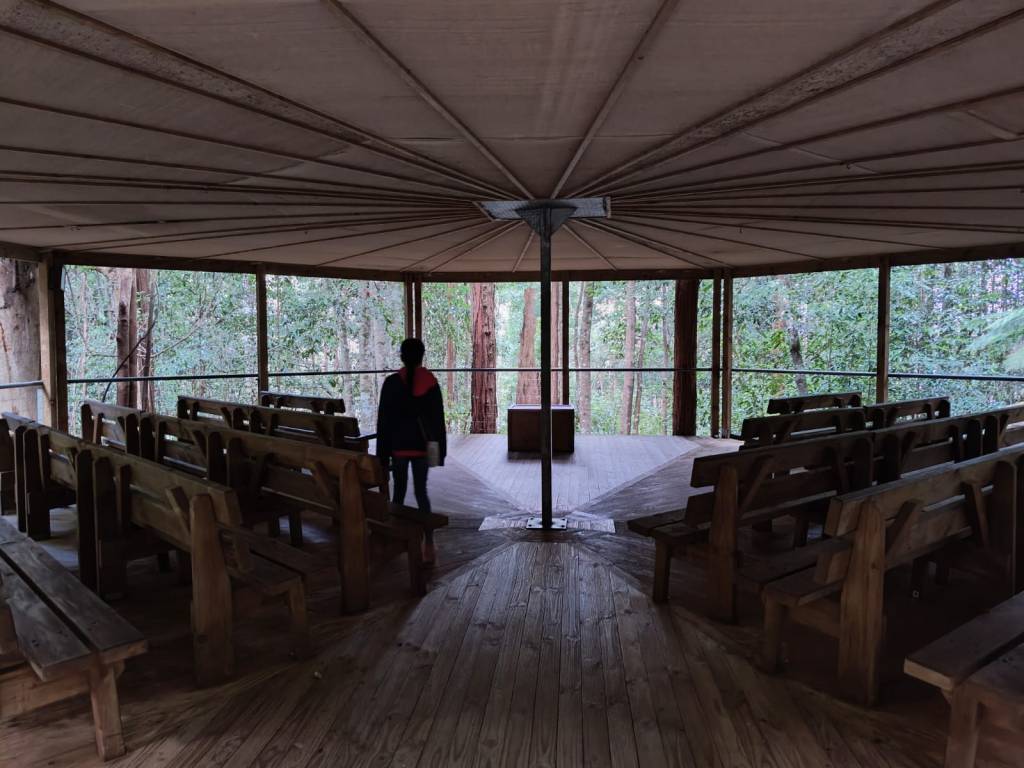
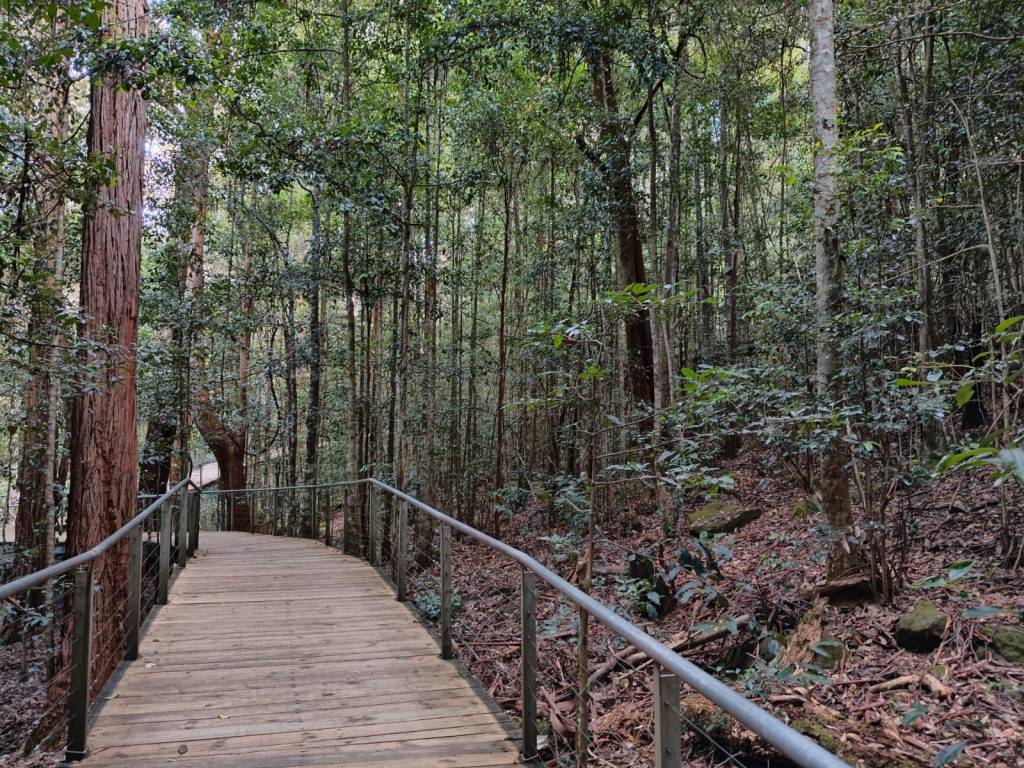
What I particularly enjoyed, though, was that we didn’t simply take the rides and leave. We spent a good amount of time walking the rainforest boardwalks, through dense vegetation, giant ferns and towering trees, in places feeling completely removed from the tourist infrastructure above. Scenic World’s own boardwalks are just a taste of what’s out there. Blue Mountains National Park has more than 140 km of walking tracks, and the wider Greater Blue Mountains World Heritage Area covers roughly a million hectares across eight national parks and reserves. When you visit Katoomba and see the Three Sisters, you’re really only seeing a tiny piece of a much larger protected landscape.
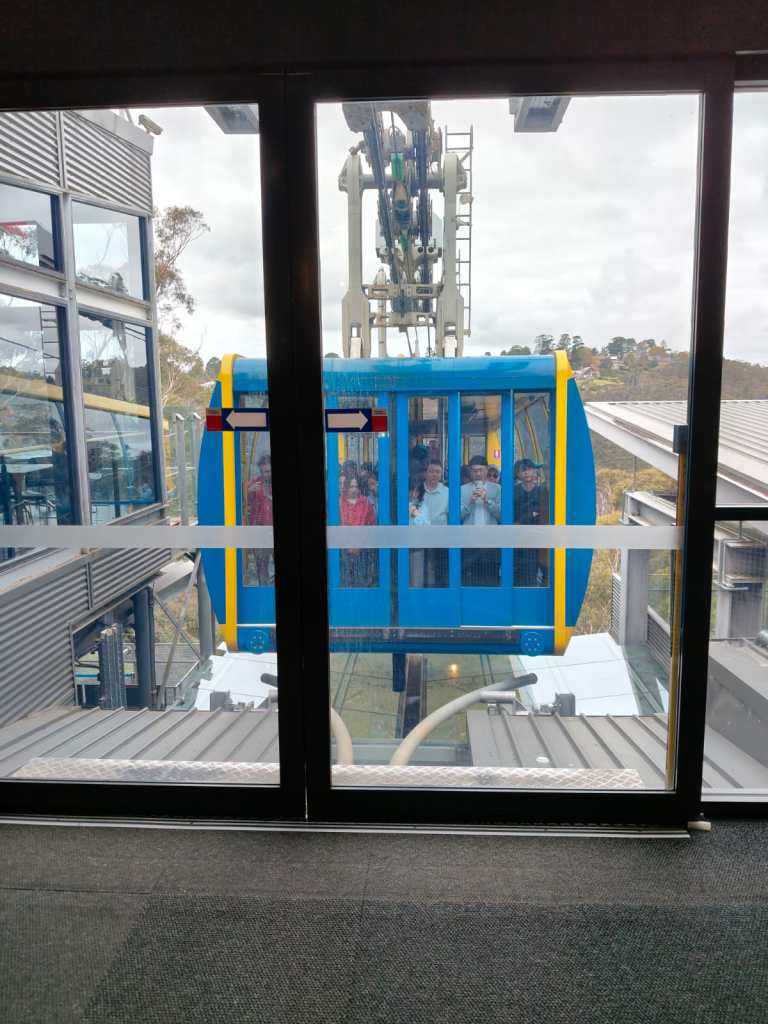
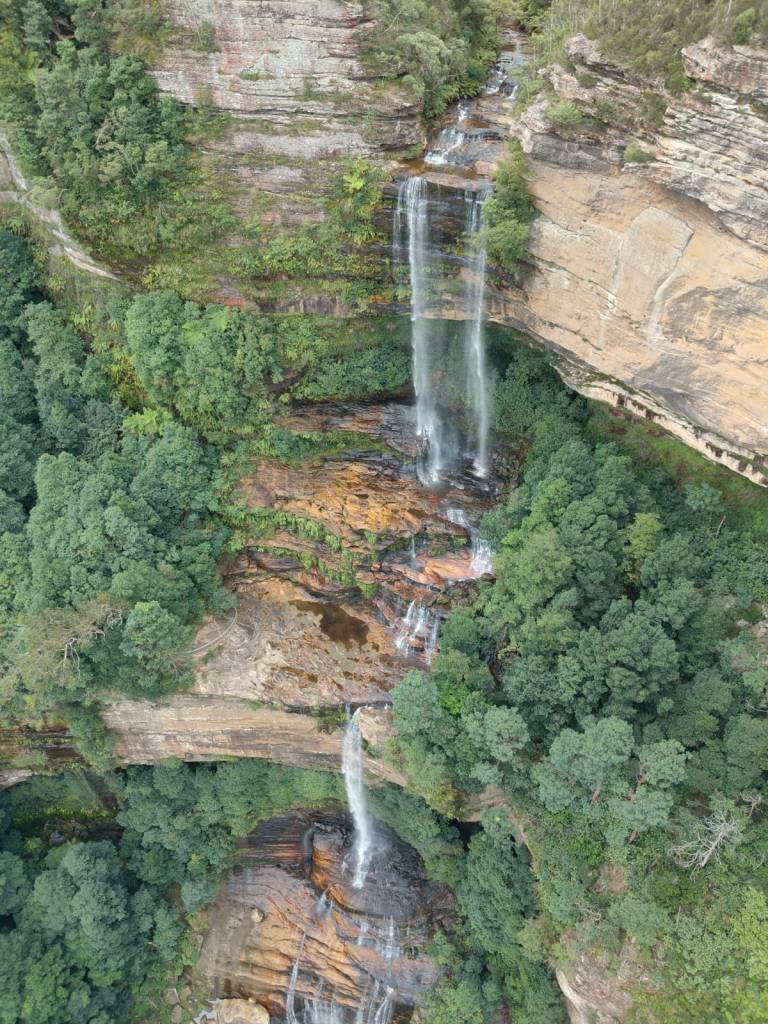
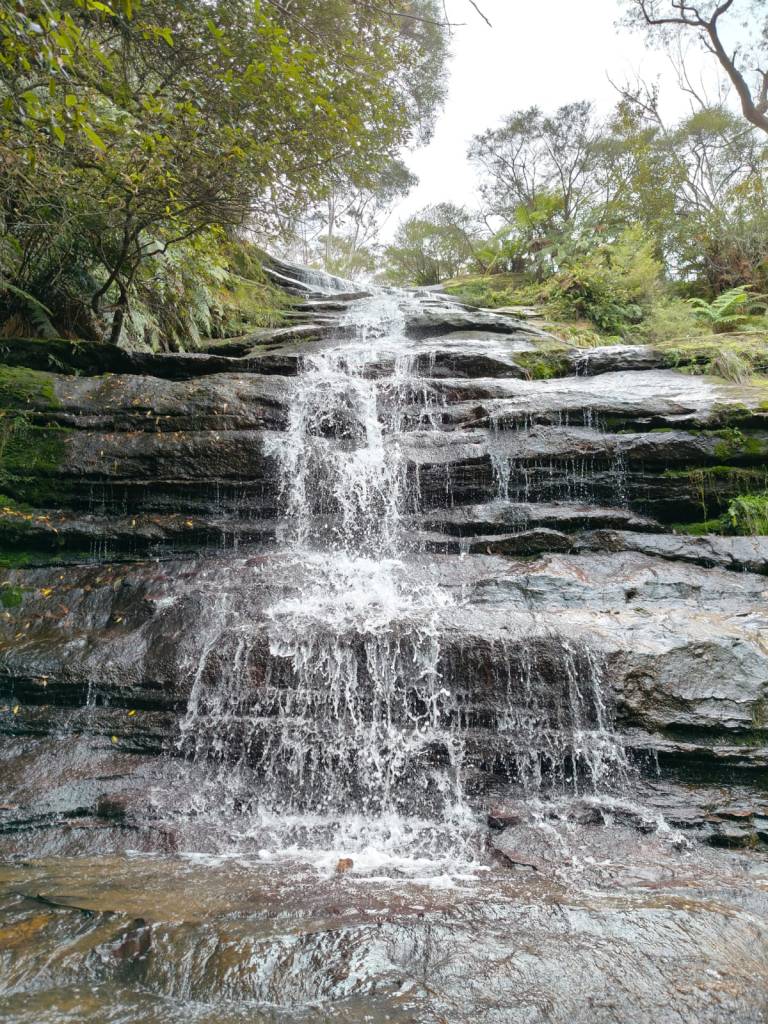
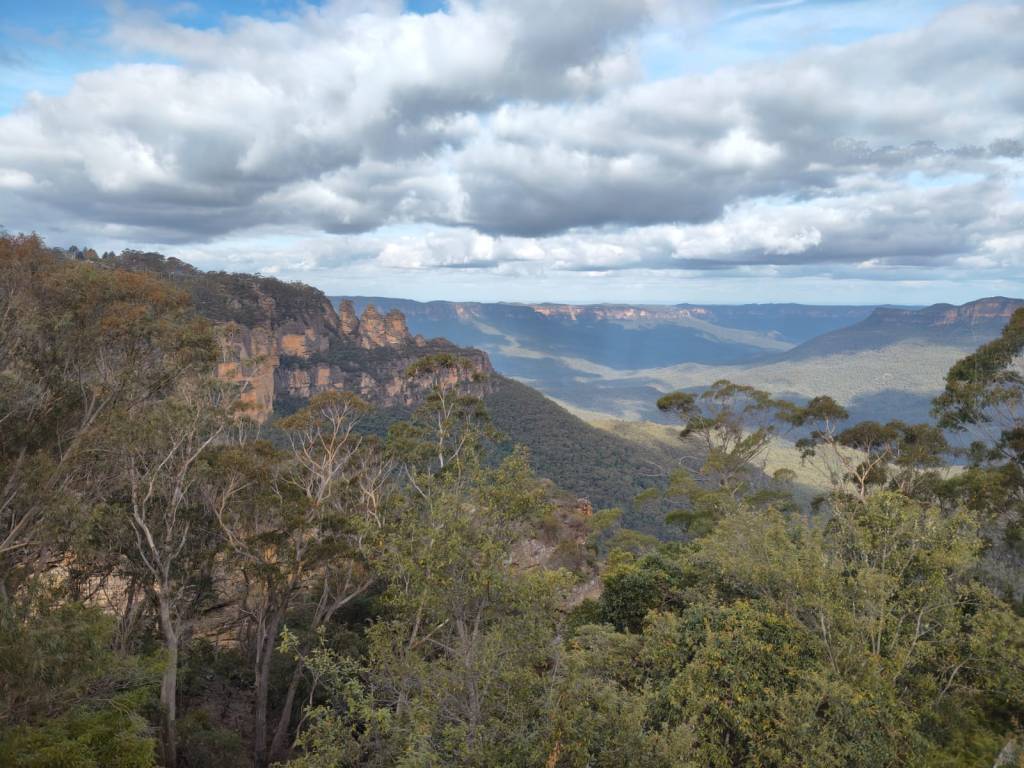
The landscape itself is ancient, carved over millions of years into the sandstone cliffs, valleys and waterfalls that define this stretch of country. Even the famous blue haze isn’t just a marketing name. The huge eucalyptus forests actually contribute to that atmospheric colour hanging over the ranges.
After Katoomba, we took the local bus to Echo Point, glad we hadn’t rented a car and didn’t have to hunt for parking near one of the busiest viewpoints in the mountains. Echo Point gives you the classic view, the Three Sisters, Mount Solitary and the Jamison Valley spread out below. But there’s also an important cultural layer here that goes beyond the photograph. The Three Sisters stand on the traditional lands of the Gundungurra and Dharug peoples, and the site was declared an Aboriginal Place in 2014 for its cultural significance. There are different versions of the stories tied to its formation, so I’d be careful treating any one popular tourist legend as the definitive traditional account.
One thing worth knowing before you go: this isn’t a get off the bus, take a photo and get back on kind of place. The short walks around Echo Point and Scenic World are manageable for a family day trip, but there are far more demanding options too, like the Giant Stairway’s 800-plus steps, or the 13 km Federal Pass along the base of the cliffs. Decide your walking level before you arrive rather than improvising one at two in the afternoon while still hoping to catch your train home.
Scenic World is worth booking online in advance, since popular sessions can sell out on weekends and holidays, and current pricing runs from around A$64 for adults on the Unlimited Discovery Pass, with higher tiers available. For food, Scenic World’s own cafes cover the basics well, including halal, gluten free and vegan options, though I’d lean towards eating in Katoomba if you have the time. Around Katoomba Street you’ll find everything from Vietnamese at Pho Moi to pizza at Rustico, and Station Bar & Woodfired Pizza is a convenient stop right by the station. We were more interested in exploring than sitting down for a long lunch, so we skipped a proper meal that day.
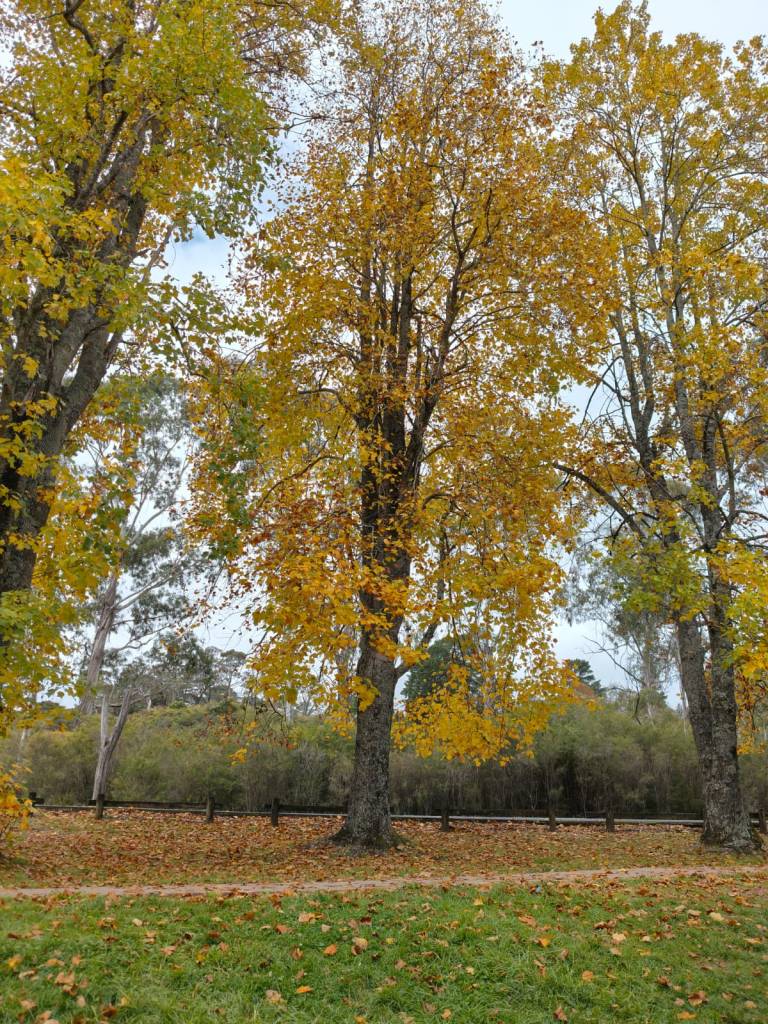
The weather worked in our favor too. We visited on April 23, in the middle of autumn, and it was cool and pleasant rather than exhausting, with the cloud cover actually making the landscape feel more dramatic. It’s worth checking the mountain forecast separately from Sydney’s, since the elevation up there can mean completely different conditions on the same day.
The whole day ran smoother than I expected. Hotel to Central, Central to Katoomba, a local bus to Echo Point, a good walk, Scenic World, and a train back that had us home by 6:12 PM. No rental car, no parking, no driving on unfamiliar mountain roads. My daughter loved every part of it, the Sydney trains, the big double-decker, the Katoomba bus, and then Scenic World itself. The transportation became part of the adventure rather than just a means of getting there.
The most memorable part of the day wasn’t any single attraction. It was the feeling of moving through completely different worlds within a few hours: the middle of Sydney, a modern double-decker train, Katoomba’s platform, the edge of the Jamison Valley, an old coal mine, a railway once built to haul that coal, and then back into the middle of Sydney by evening. We didn’t just visit the Blue Mountains. We travelled through its history, and doing it entirely by public transport made the journey with my daughter feel like an adventure of its own.

