
February 2026 | Sydney, Australia
One of the things I enjoy about travelling with family is having days that aren’t packed with a long list of sightseeing spots. Sometimes it’s better to pick two or three places, take public transport, have a relaxed lunch and just enjoy the city. That’s exactly what we did on one of our days in Sydney in February 2026.
My daughter and I were on vacation, while Ranjani was working during the trip. We started the day relatively late and planned a simple outing around Darling Harbour and Luna Park, with a ferry ride back in the evening.
Heading to Darling Harbor
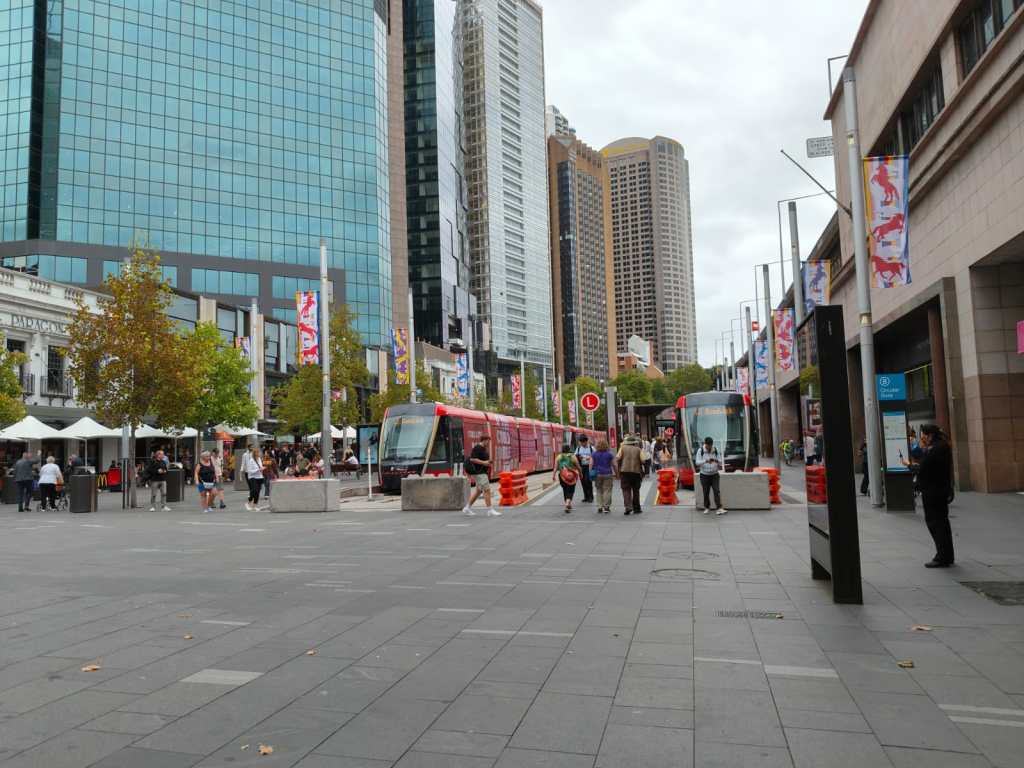
We left the Sydney Harbour Marriott around 11 AM and walked to the light rail.
Sydney’s public transport made this day very easy. We already had our Opal cards, and I found having one particularly convenient since we were using different modes of transport throughout our stay. On this day alone, we used the light rail and later the ferry.
The light rail is also a nice way to get around central Sydney. The network connects the city with areas such as Darling Harbour, which meant we didn’t have to worry about driving or finding parking. After the short ride and a walk, we reached Darling Harbour around 11:25 AM.
Darling Harbour, a history you wouldn’t expect
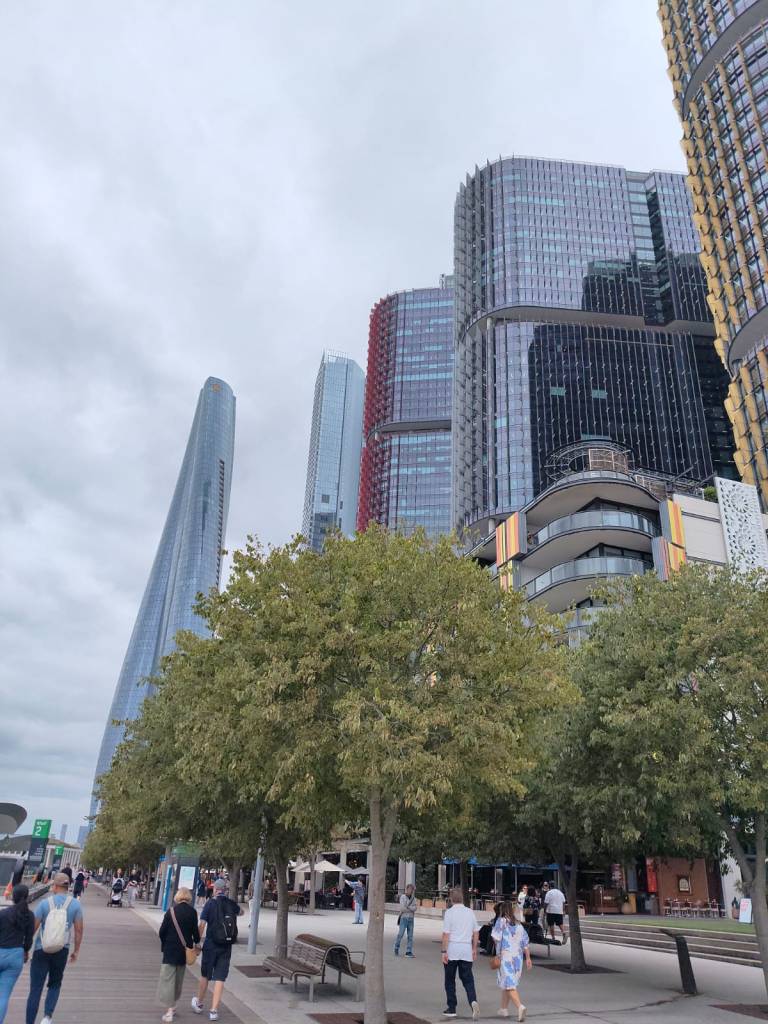
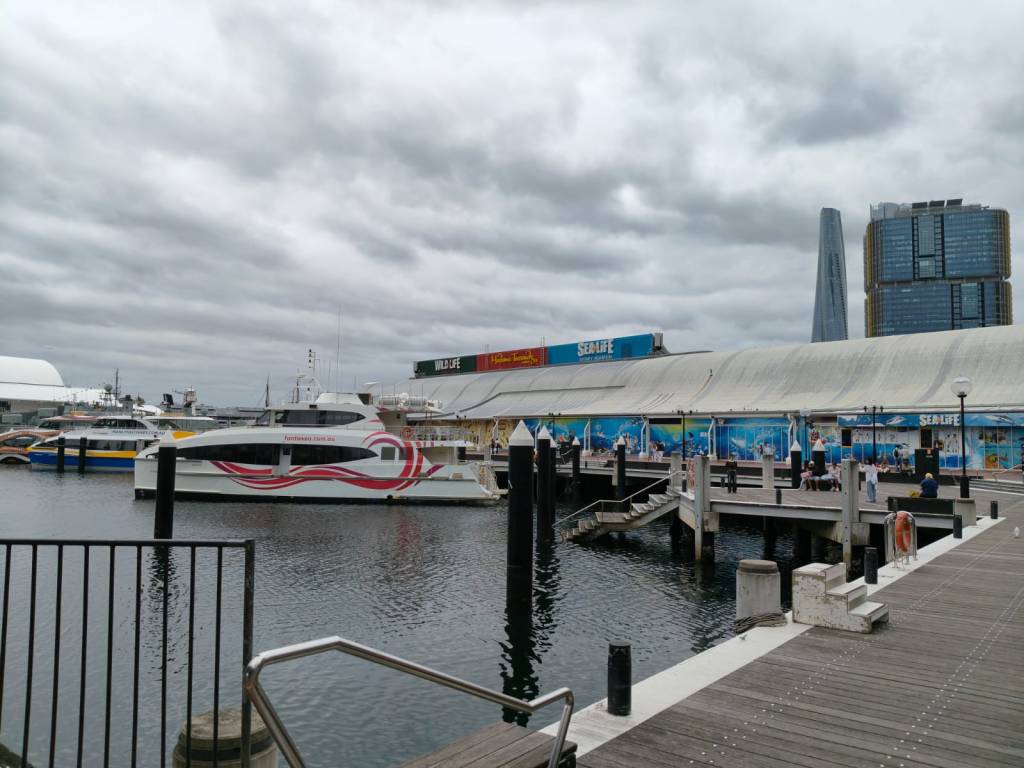
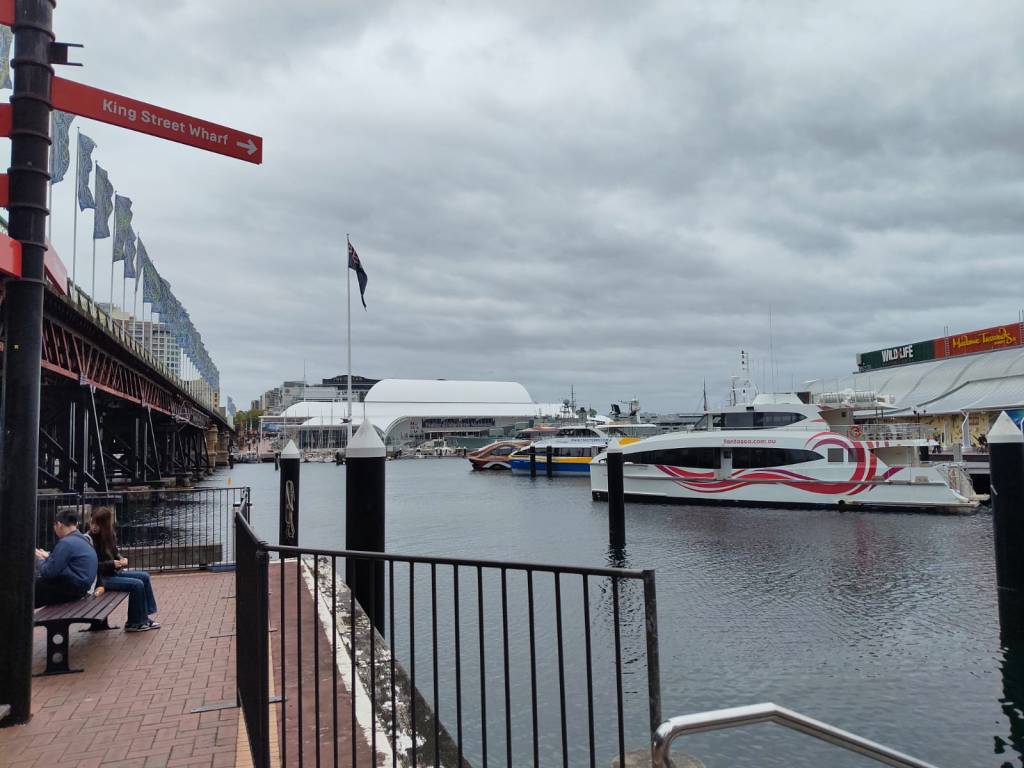
Darling Harbour is one of those parts of Sydney that looks like it has always been a tourist and entertainment district. It hasn’t.
Its traditional name is Tumbalong, and the Wangal and Gadigal peoples of the Eora nation used the harbour for food and transport long before European settlement. After settlement, the area became an important industrial and commercial harbour, with wharves, warehouses, rail yards and ships moving goods such as wool, coal, wheat and timber.
That industrial era eventually came to an end. The last goods train left the Darling Harbour rail yards in 1984, after which the NSW Government decided to redevelop the area. The transformation was remarkable. The new Darling Harbour officially opened in 1988, with Sydney Aquarium as its first major attraction, followed by museums, restaurants, hotels and more. Today it’s one of Sydney’s busiest waterfront precincts, and our first stop was the aquarium.
SEA LIFE Sydney Aquarium
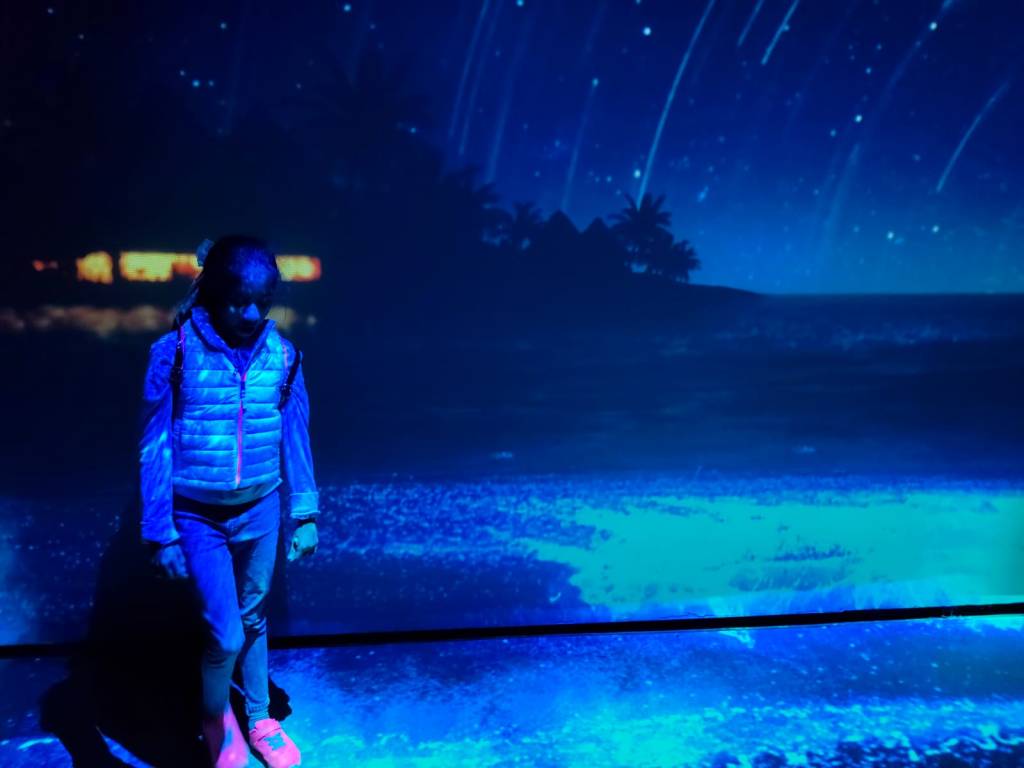
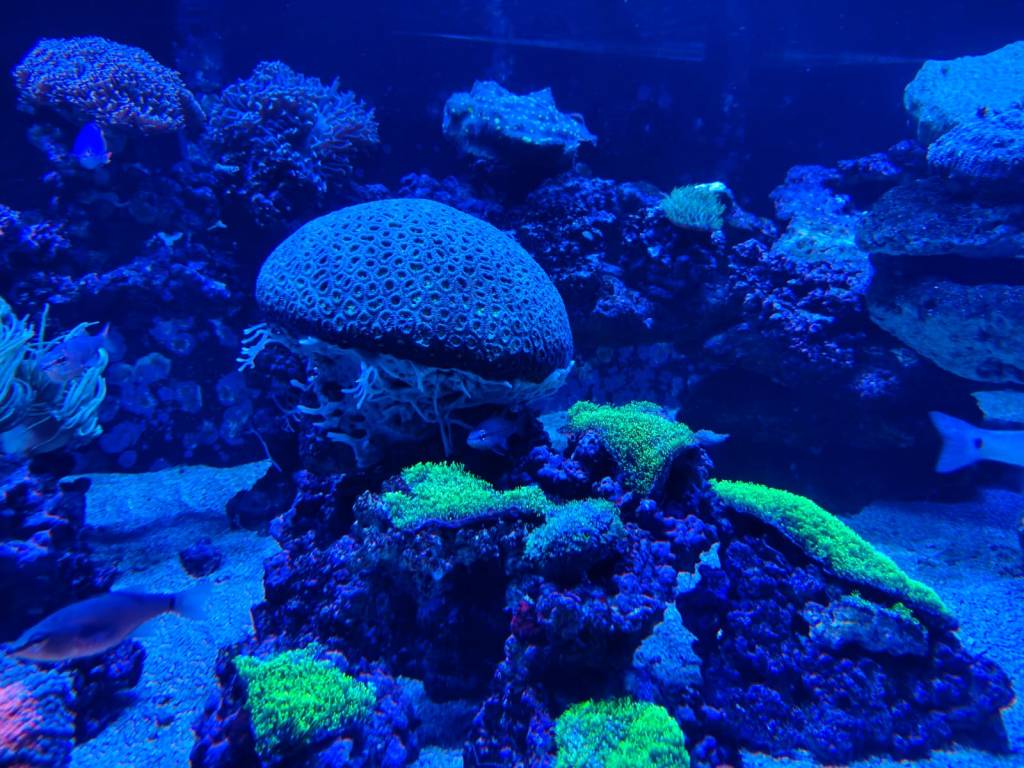
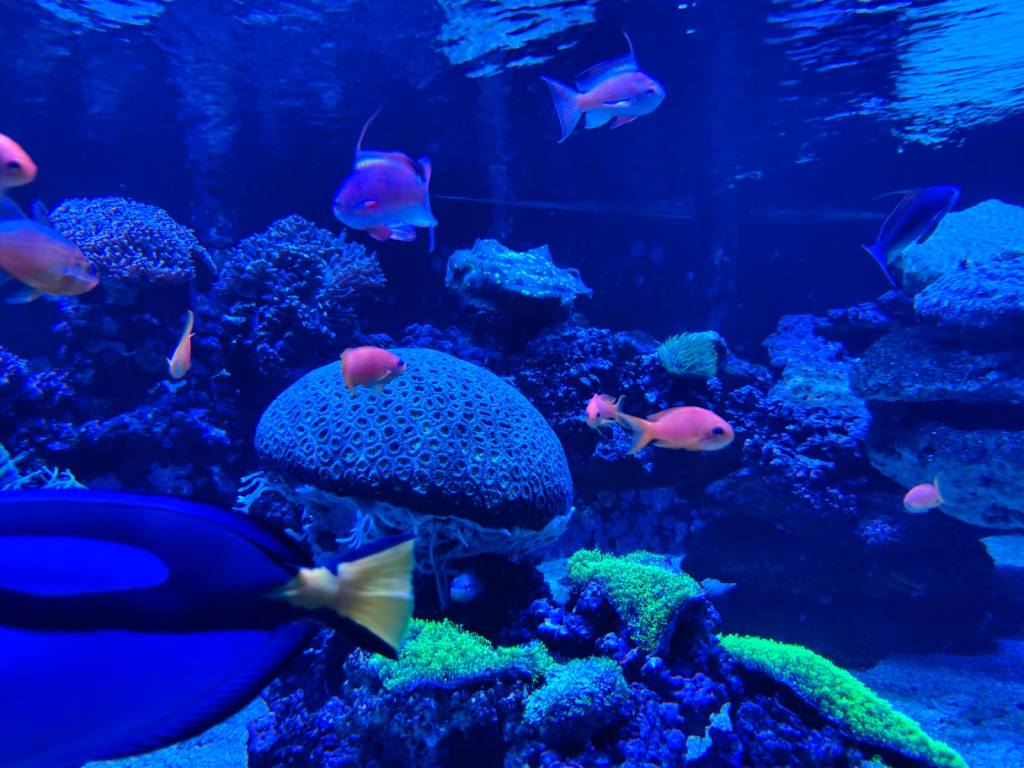
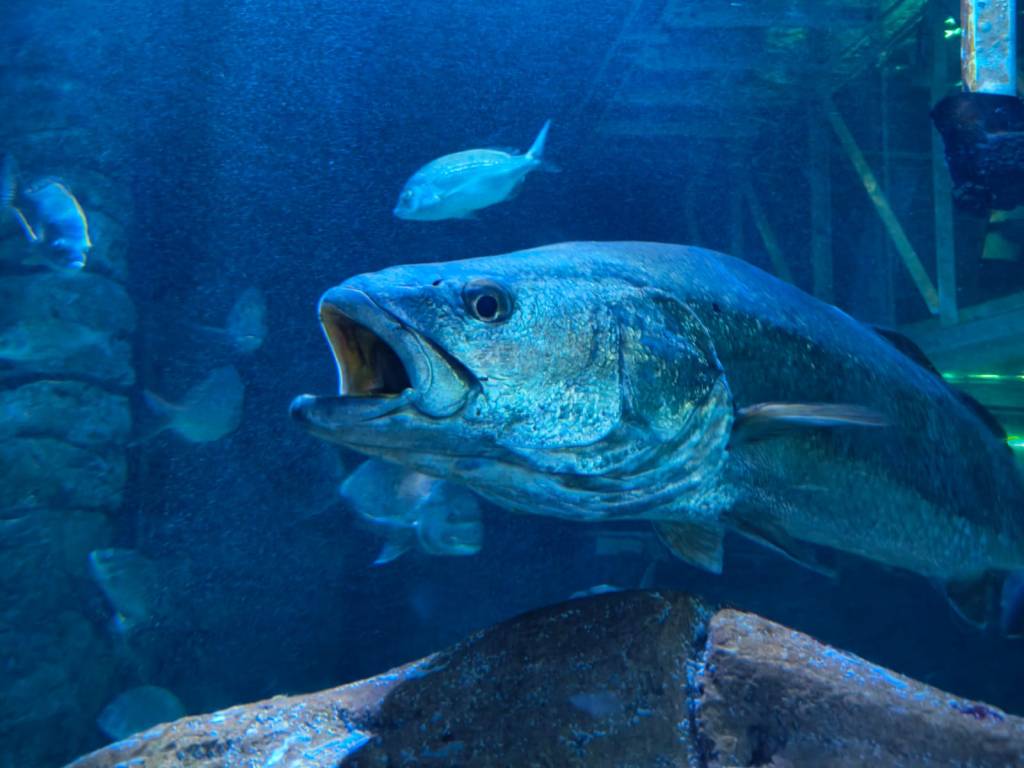
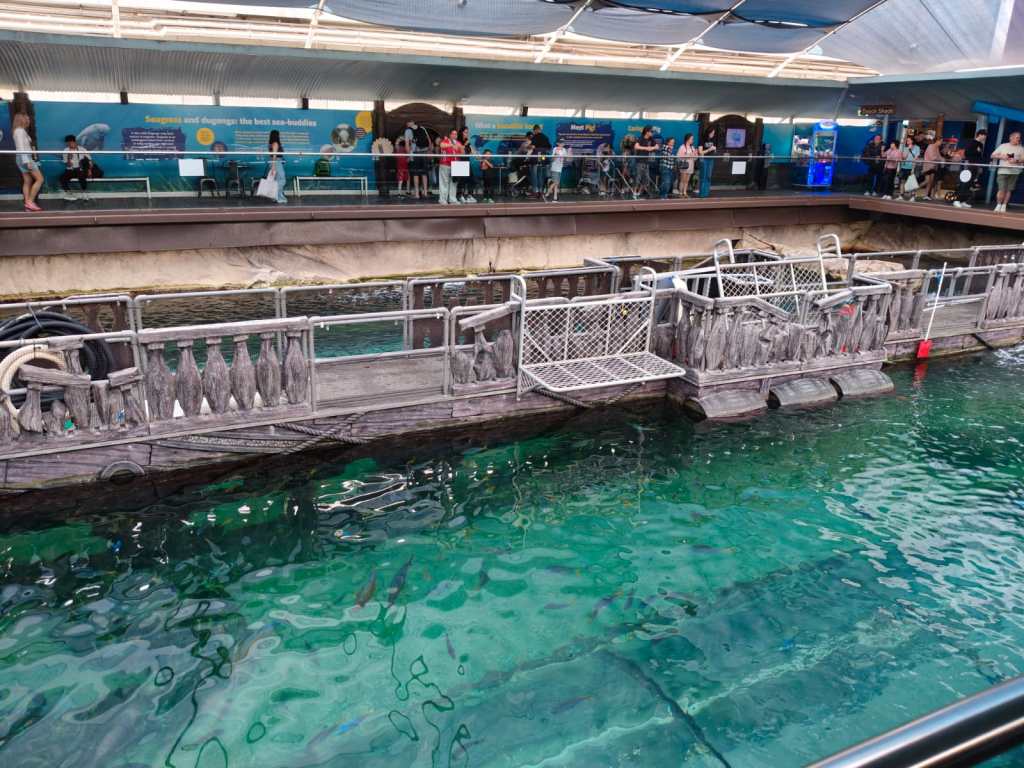
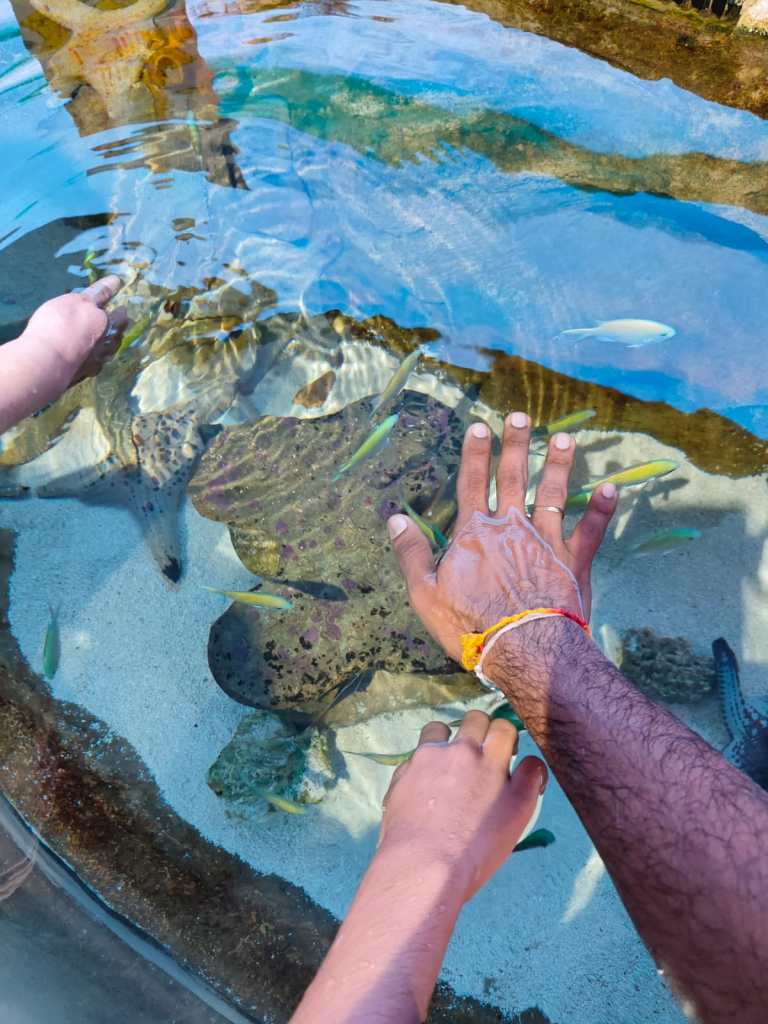
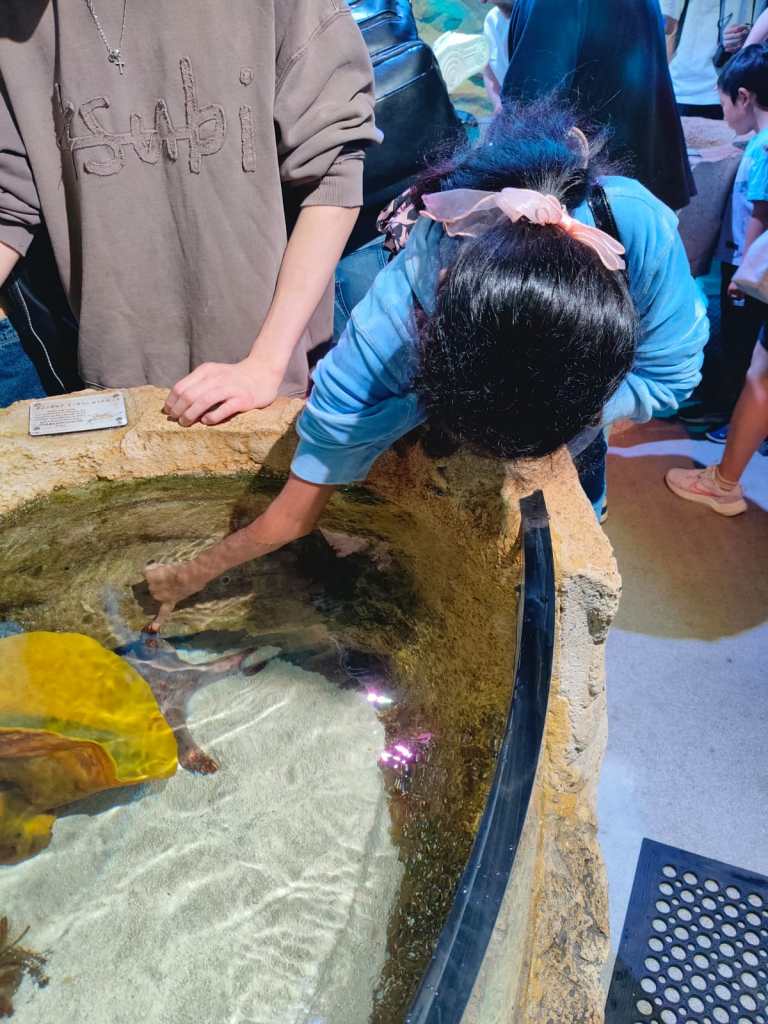
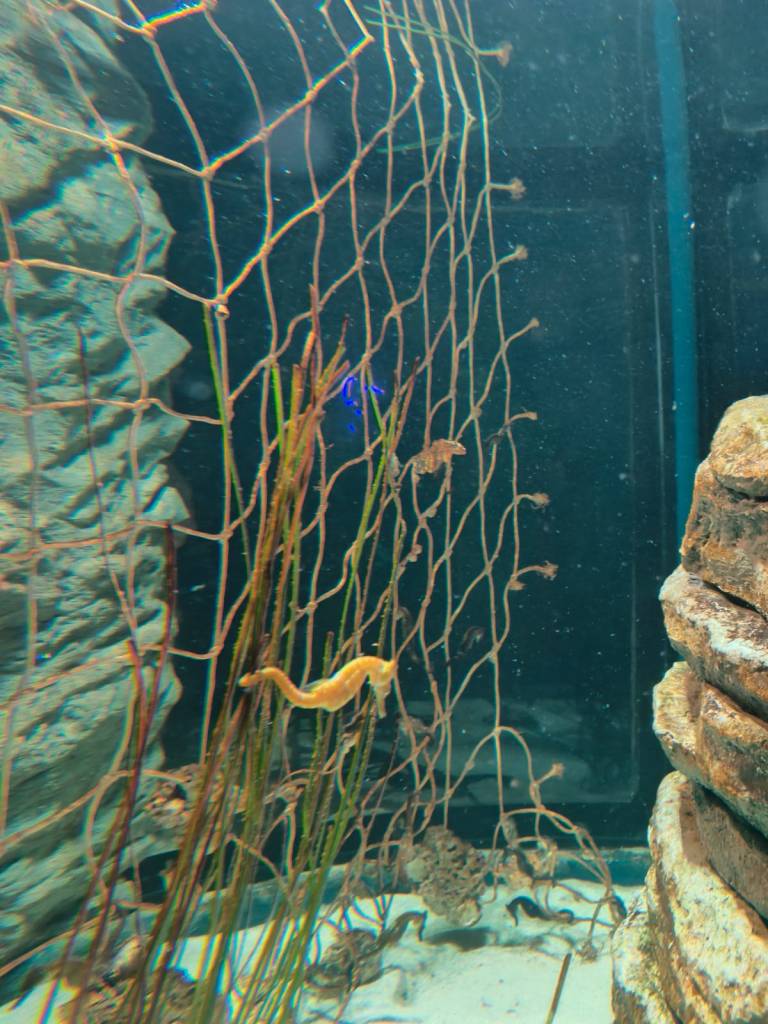
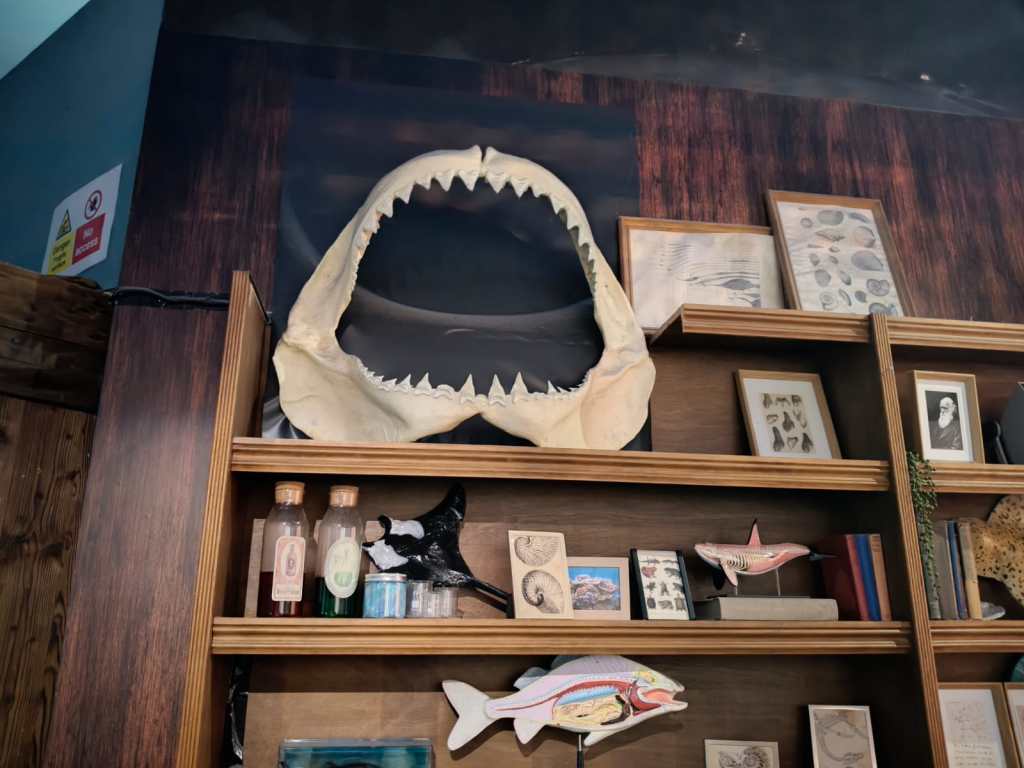
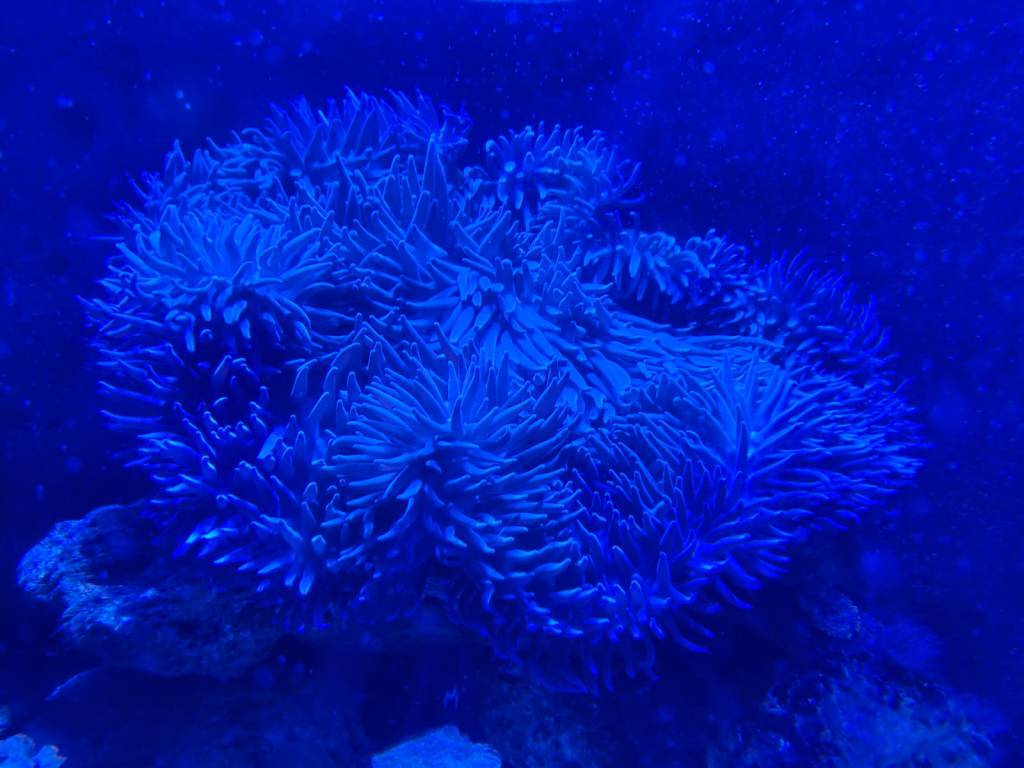
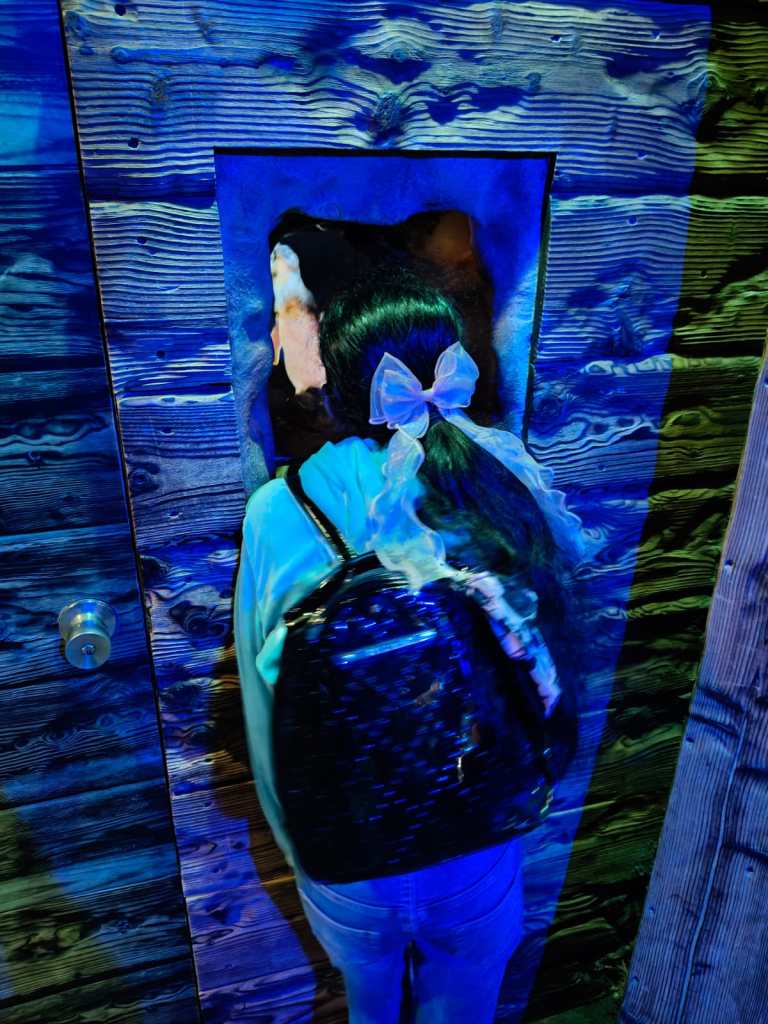
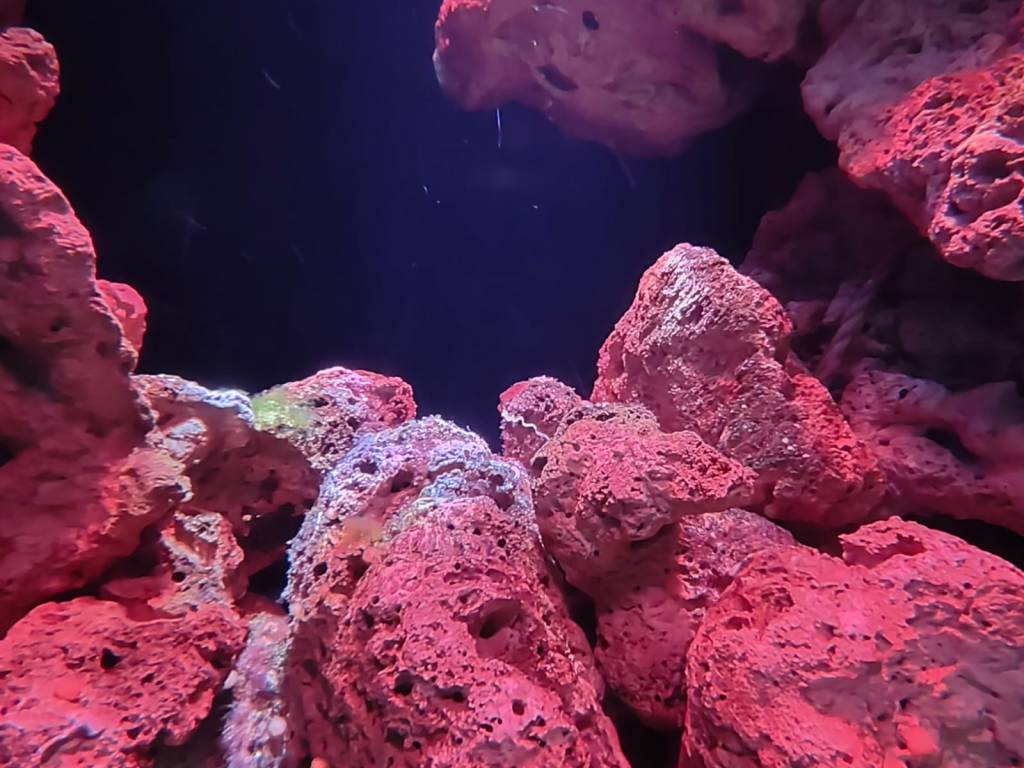
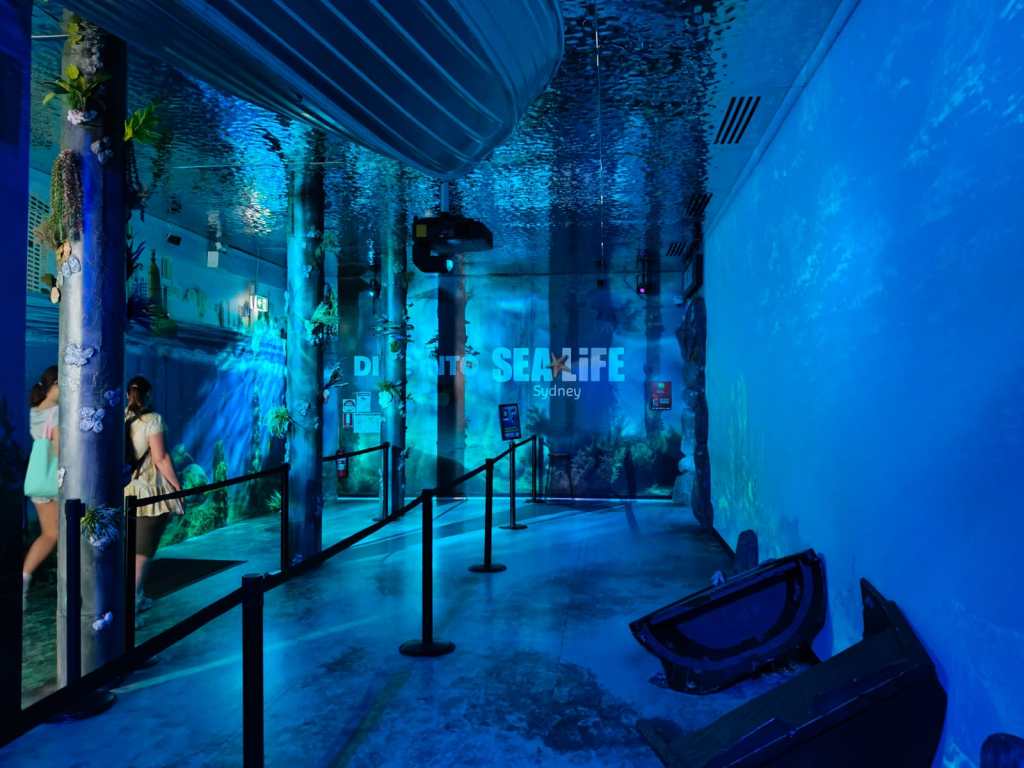
We spent the late morning and early afternoon at SEA LIFE Sydney Aquarium, and this was easily one of the highlights of the day for my daughter. She loved it, and it worked well as a family activity because there was enough variety to keep the visit interesting rather than just walking from one tank to the next.
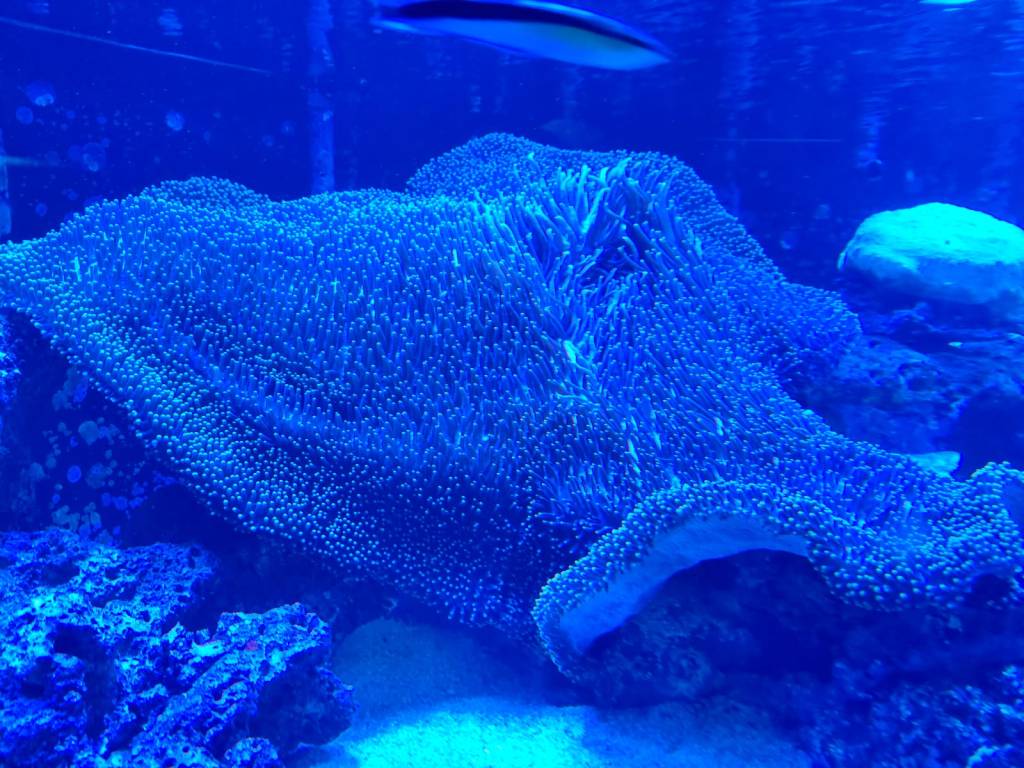
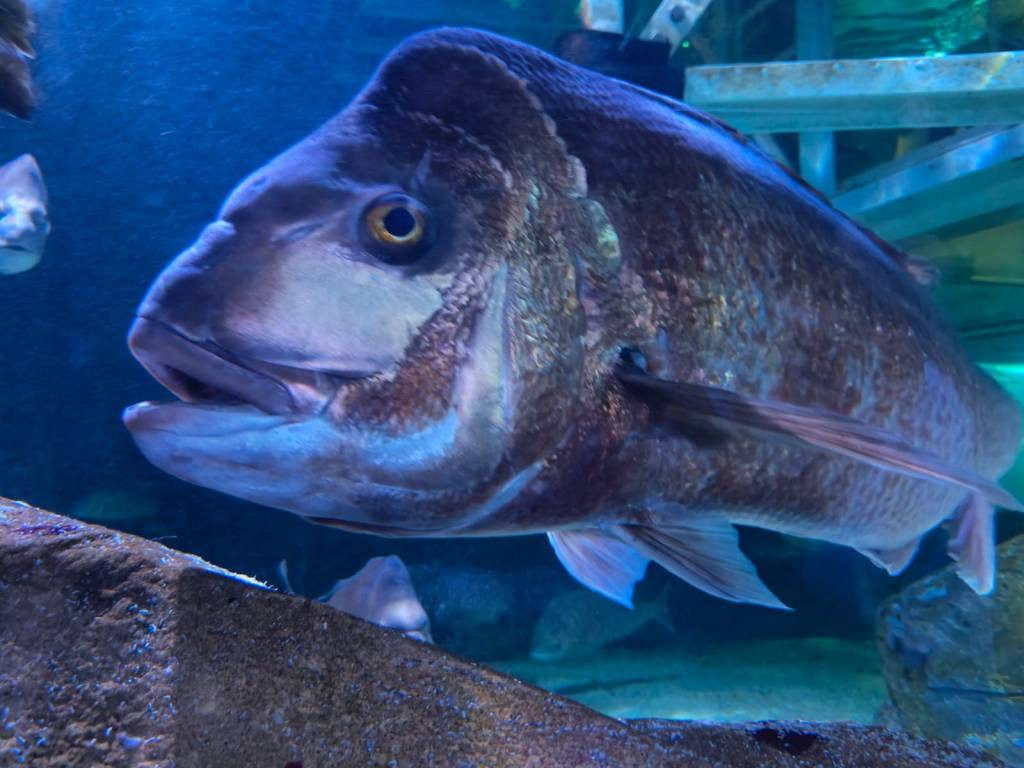
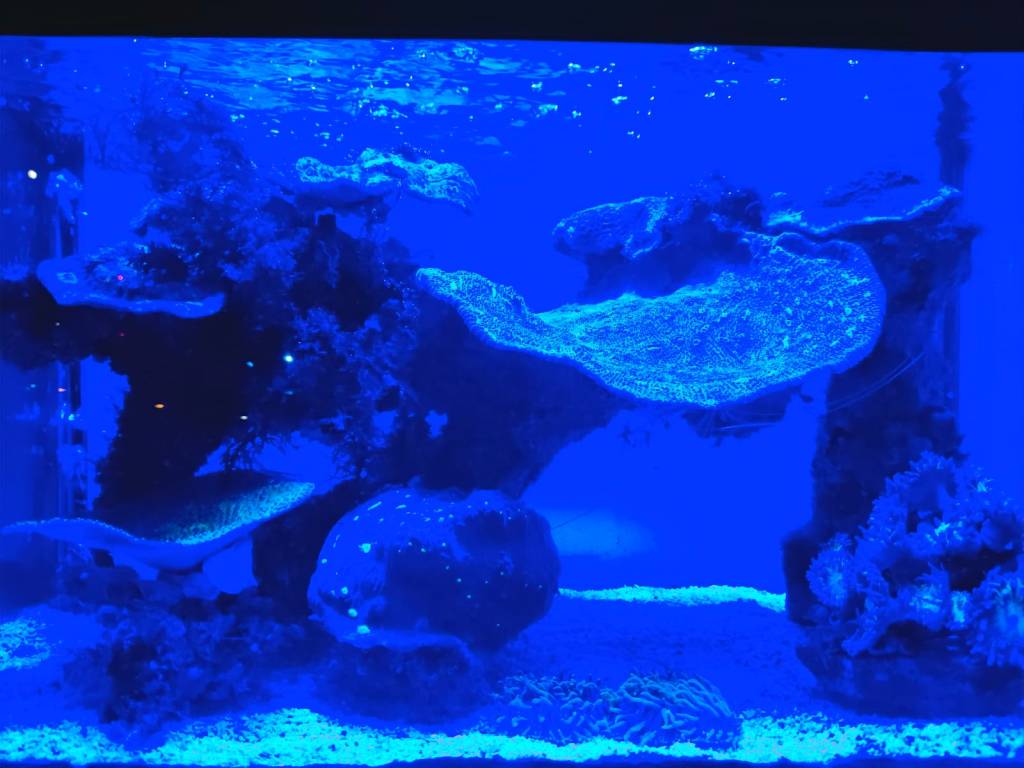
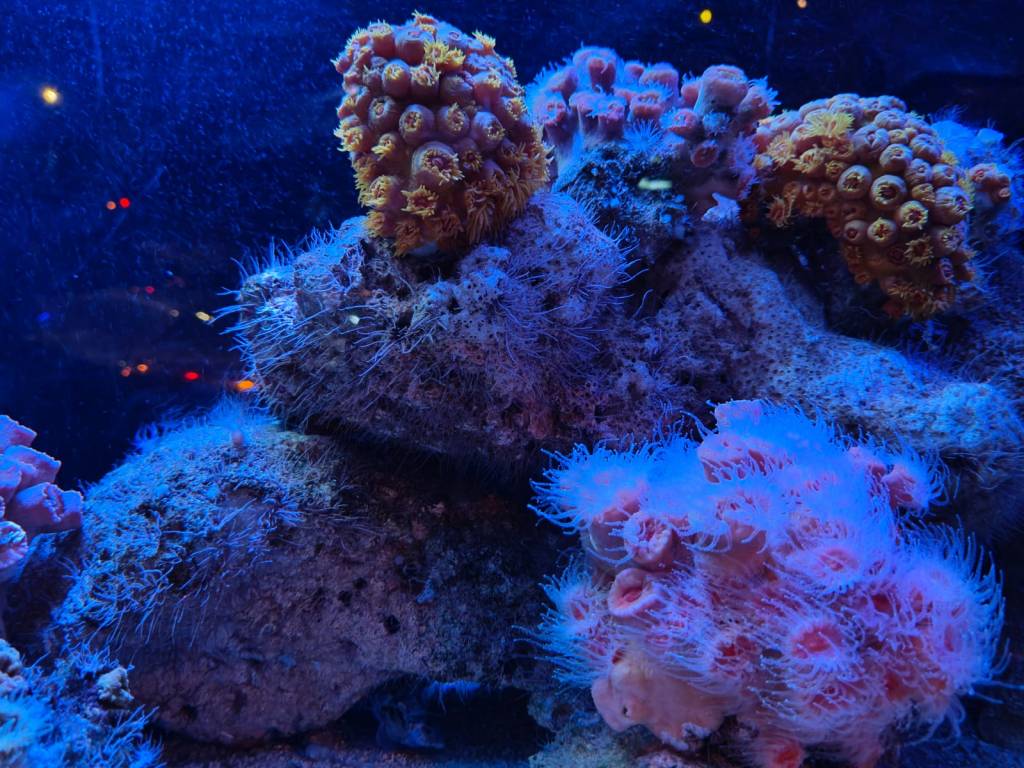
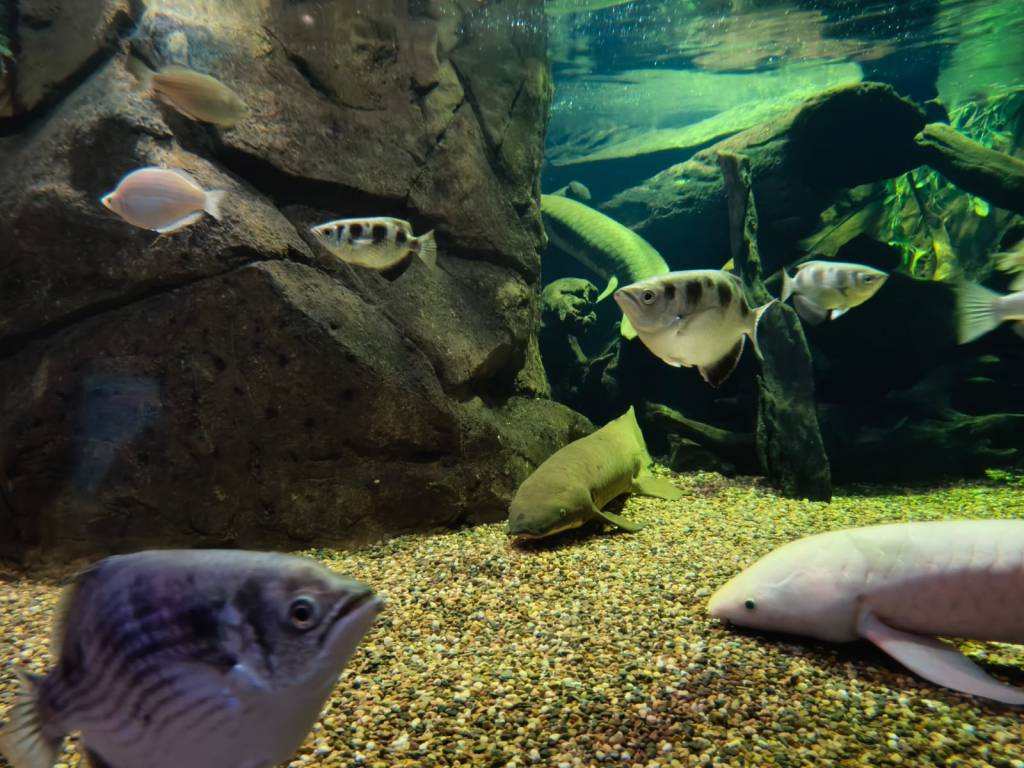
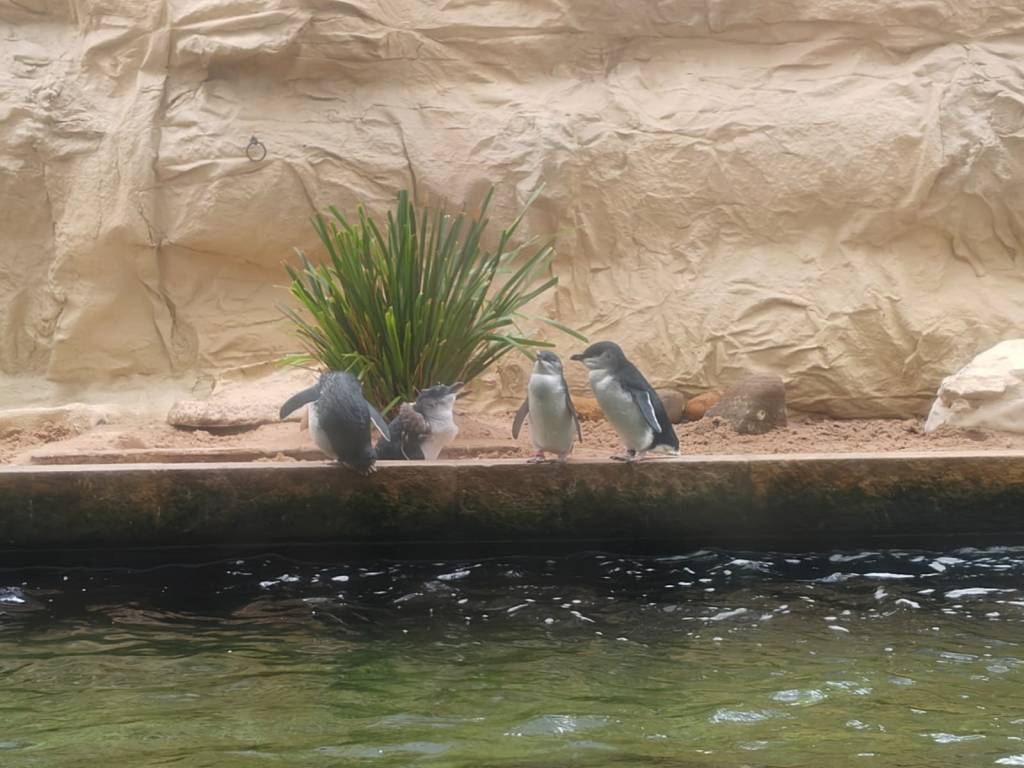
SEA LIFE Sydney has more than 4,000 animals across more than 300 species, spread across nine interactive zones covering everything from sharks and stingrays to penguins, turtles, tropical fish and the resident dugong.
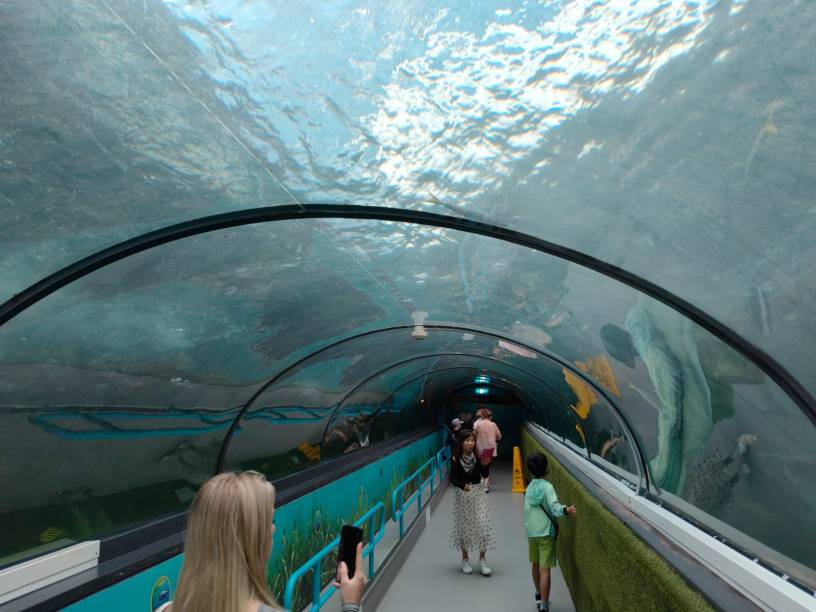
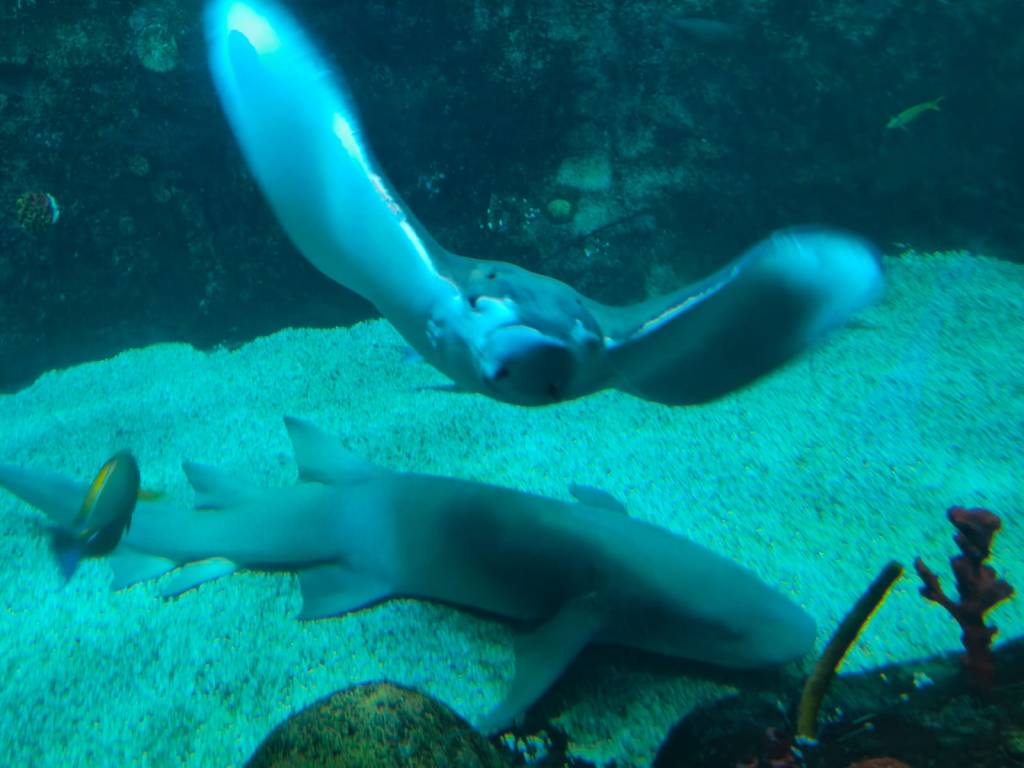
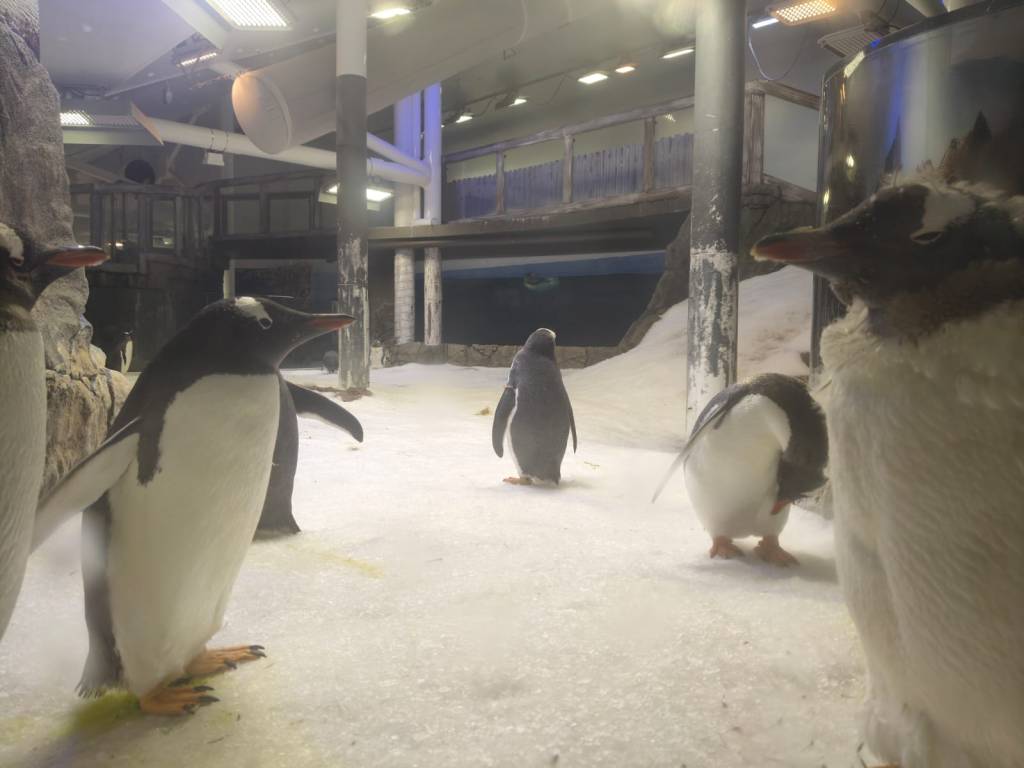
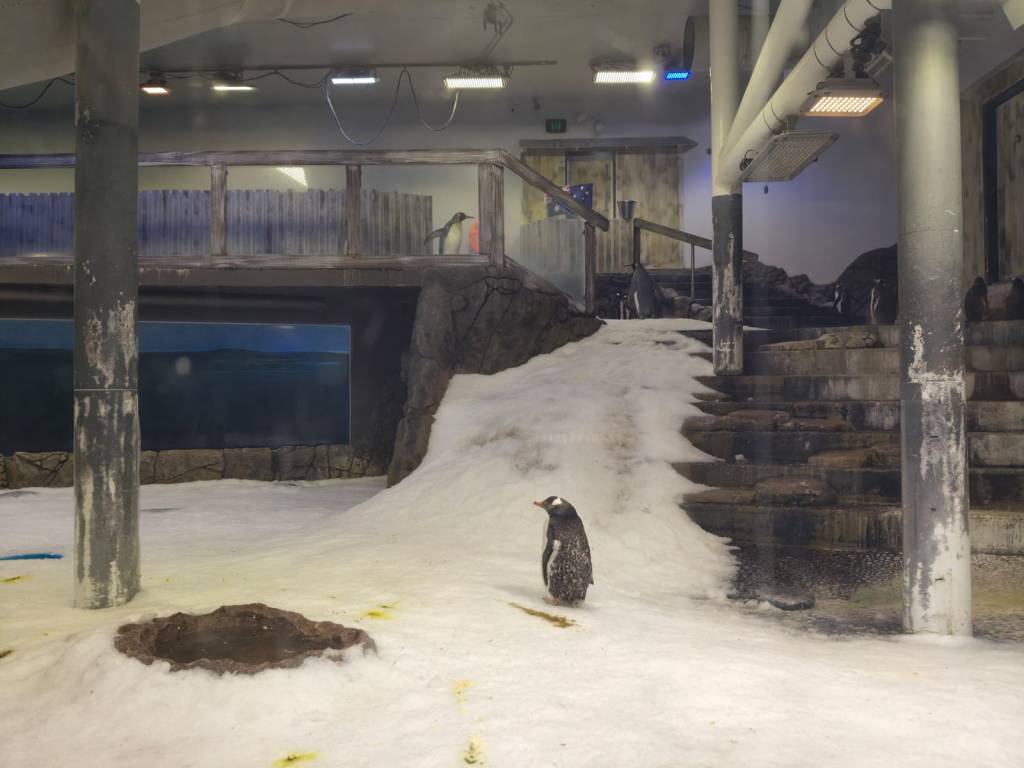
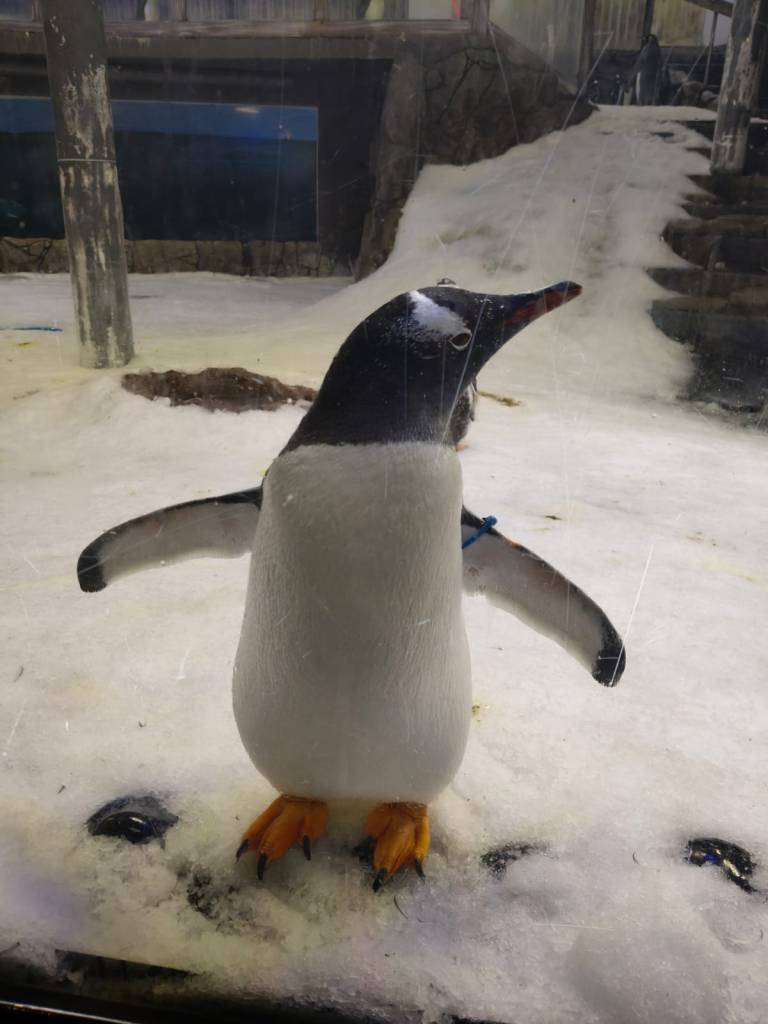
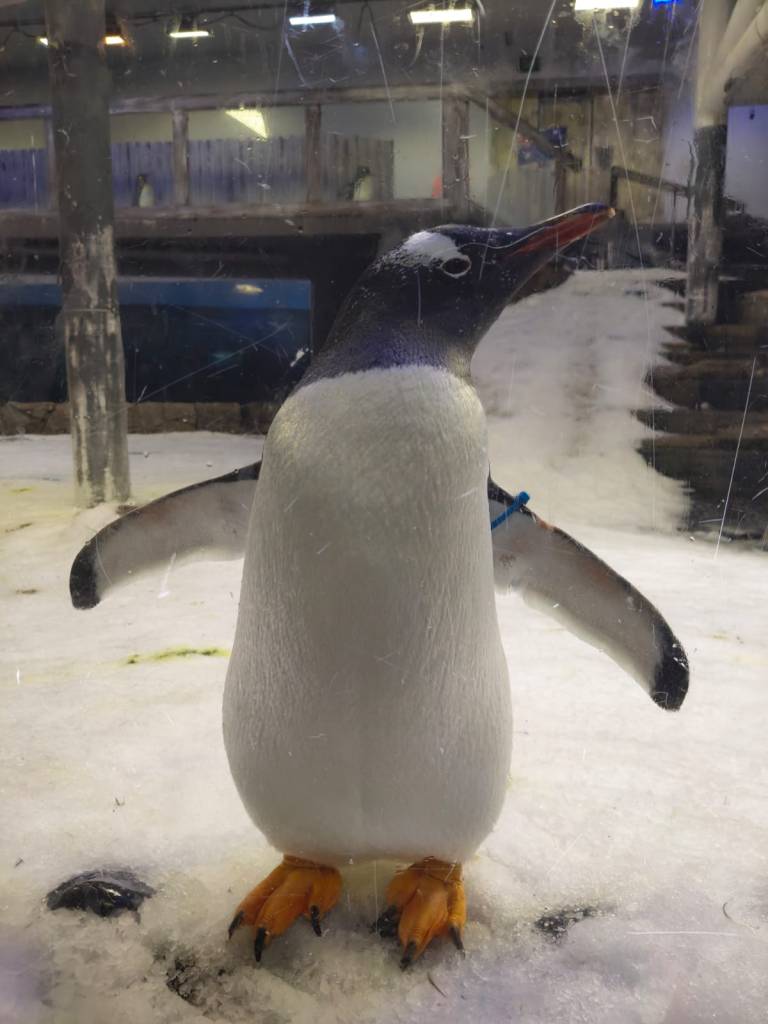
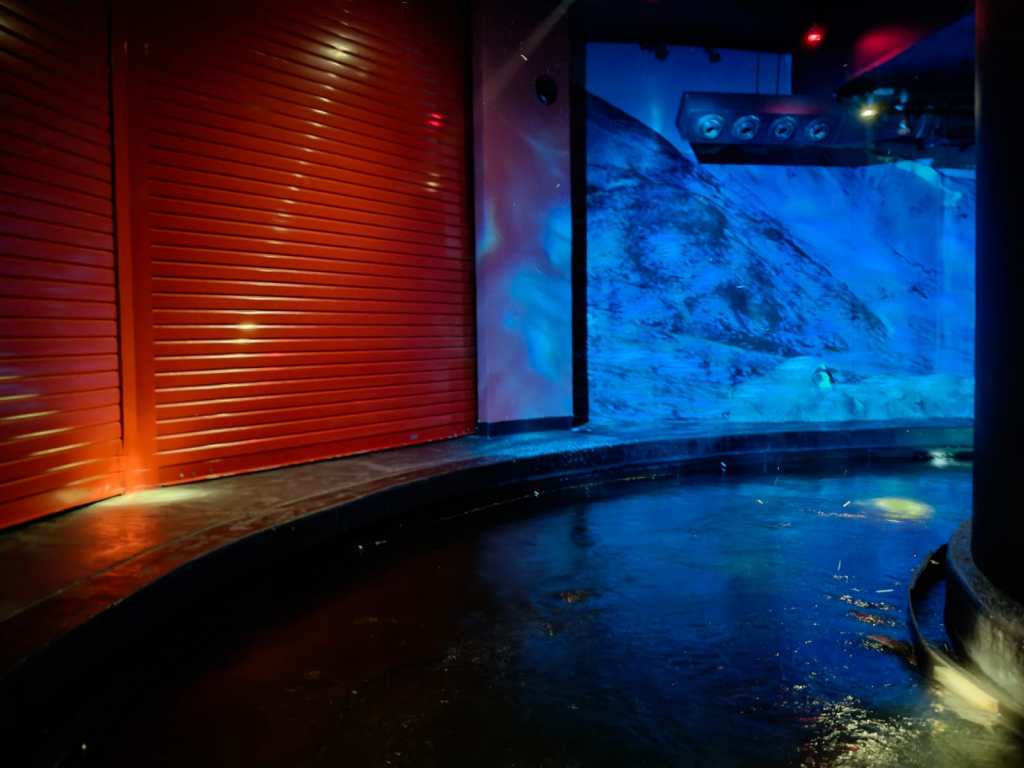
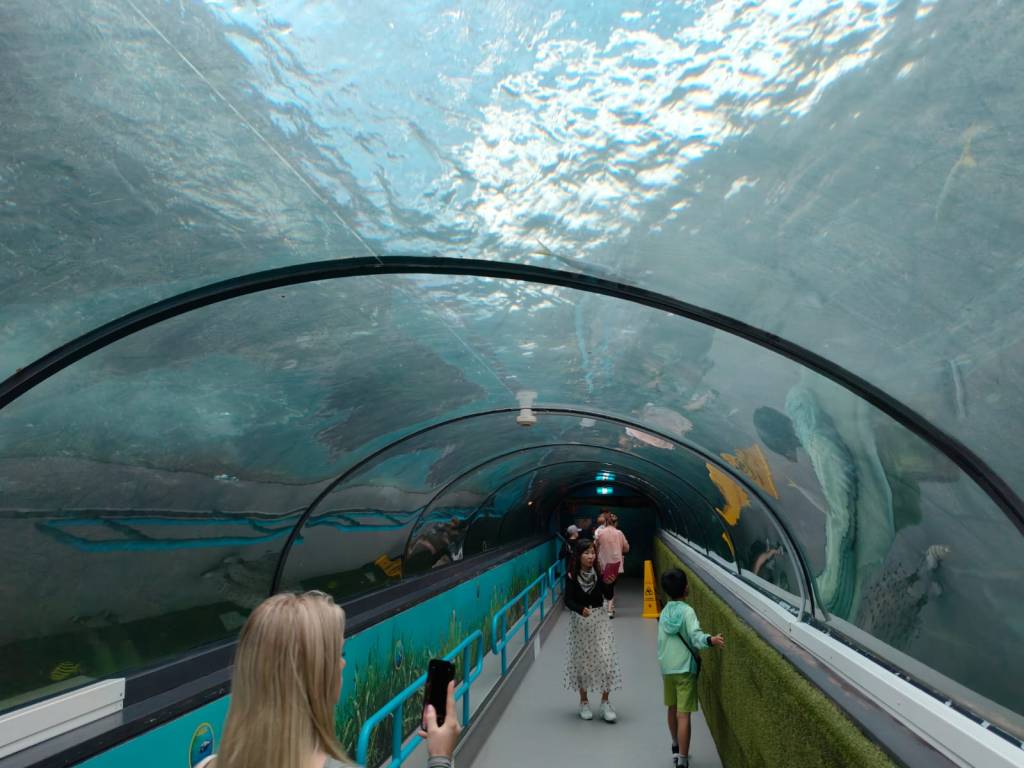
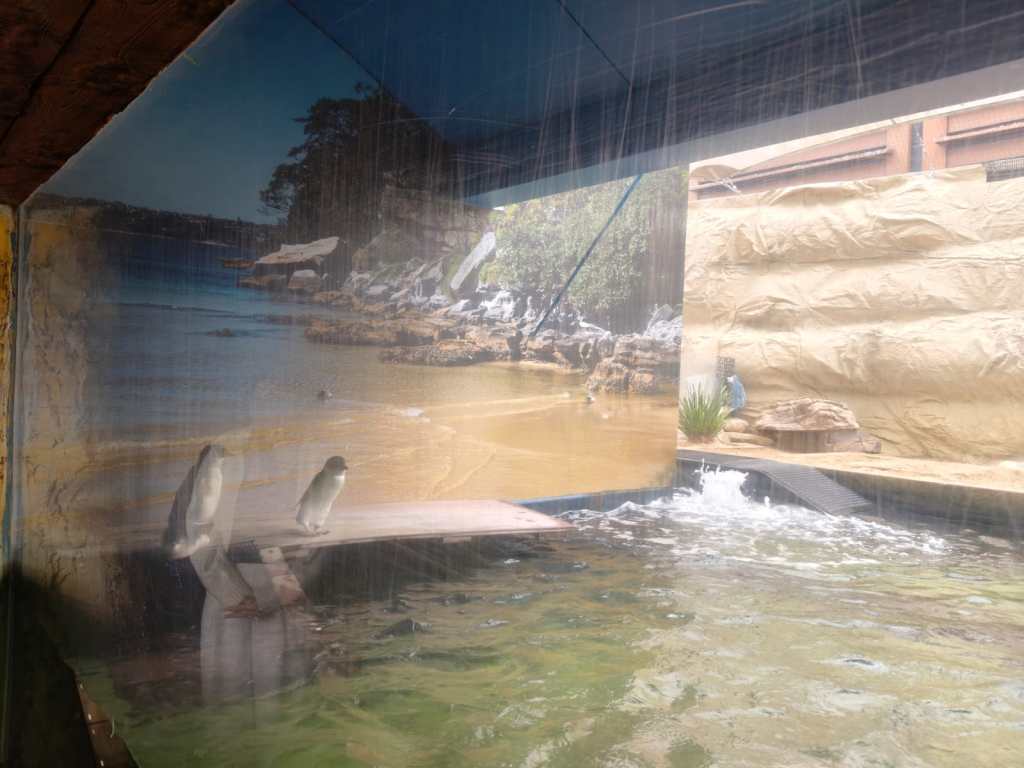
One attraction I particularly liked was the underwater viewing experience. Walking through tunnels while marine life moves around you gives the aquarium a very different feel from a conventional zoo-style exhibit. The Shark Valley section is one of the major highlights, with underwater tunnels and species including Grey Nurse Sharks, Wobbegong Sharks and Smooth Stingrays. There’s also the Penguin Expedition, home to King and Gentoo penguins, which even incorporates a boat ride into the experience.
For a child, that combination of seeing animals up close while moving through different environments makes the aquarium genuinely engaging. We spent roughly two hours inside, broadly in line with the aquarium’s own guidance that most visitors spend around 1.5 to 2 hours there.
A quick note on tickets: SEA LIFE uses dynamic pricing, so costs change depending on the date and demand. As a current reference, advance online weekday tickets start from around A$39 for adults and A$24 to 26 for children, while buying on the day can run closer to A$57 for adults and A$42 for children, with weekend and school-holiday prices higher still. I’d definitely recommend booking online in advance rather than turning up and buying at the entrance, since the official site notes that advance booking can save significantly and helps guarantee entry. These are current reference prices though, not necessarily what we paid back in February 2026.
Lunch at Darling Harbour
By around 2 PM, we were done with the aquarium and ready for lunch.
This is another reason I like Darling Harbour as a family destination. You don’t need to plan the restaurant months in advance just to find somewhere to eat. There are plenty of cafés, restaurants and casual food options right along the waterfront. We picked a café, took a proper break, and it was nice to slow down for a while. The waterfront, the boats, the restaurants and the people walking around make Darling Harbour a good place to simply sit and watch Sydney go by. After lunch, we spent a little more time in the area before heading towards Luna Park.
Afternoon at Luna Park
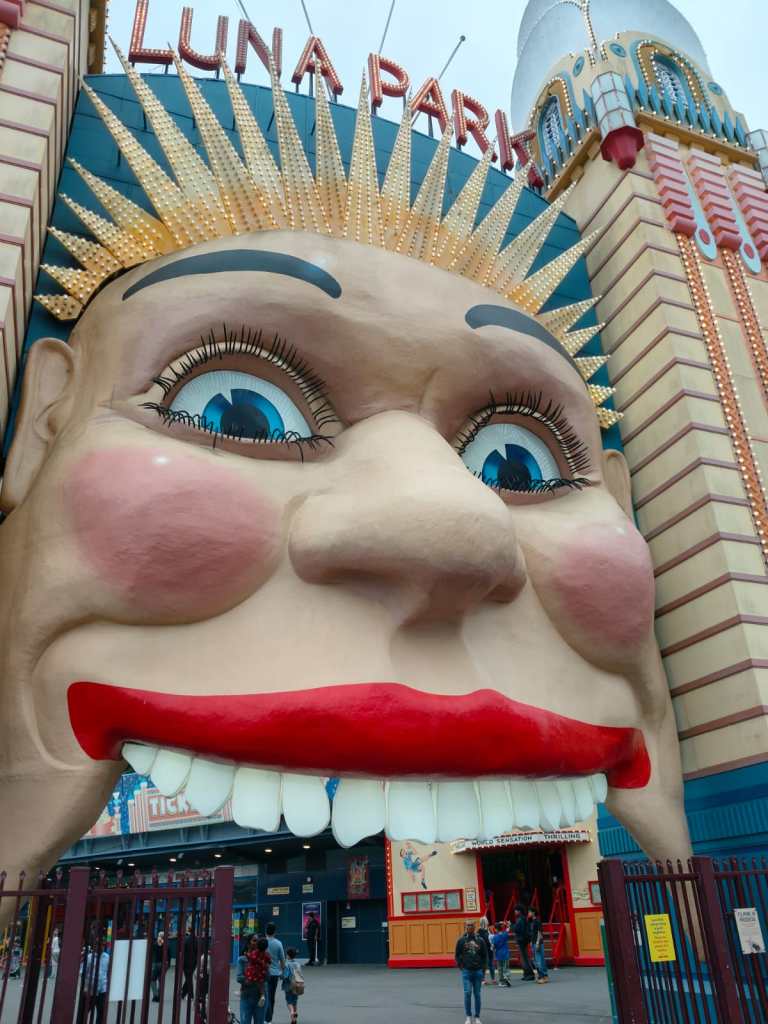
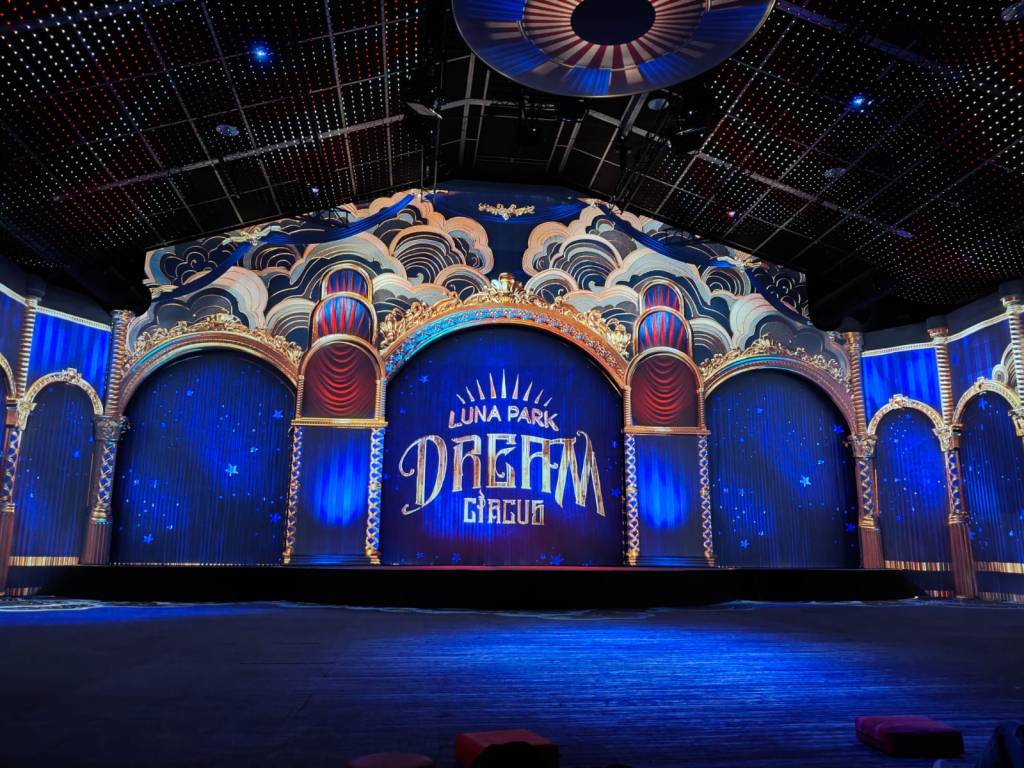
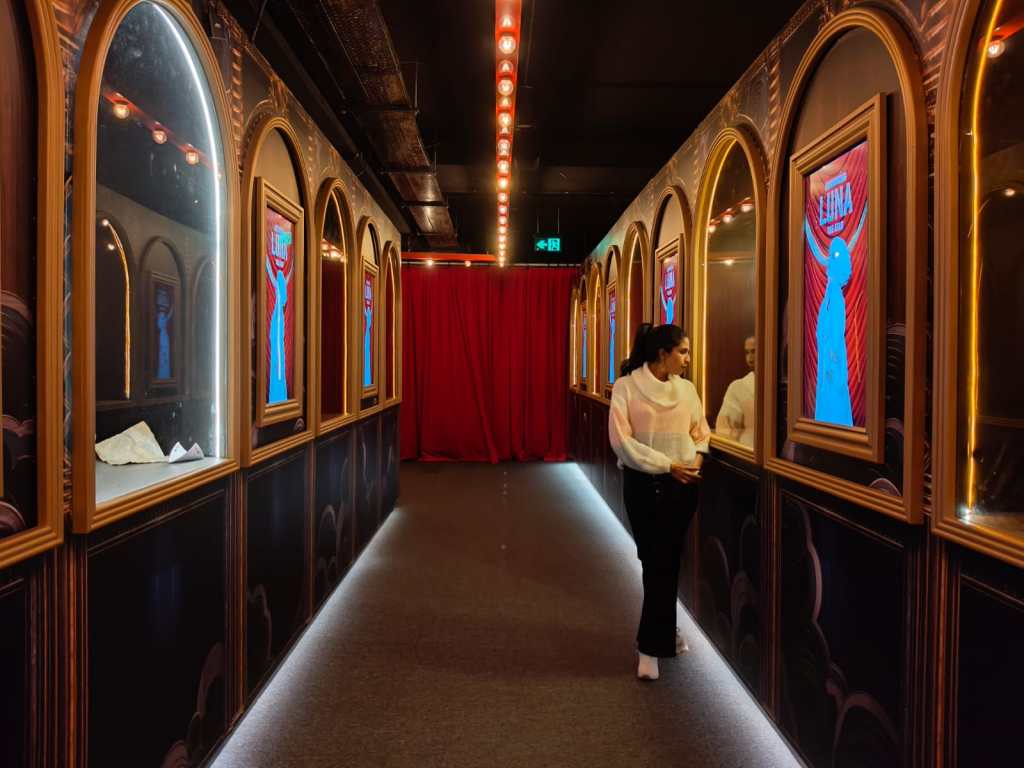
Around 3:40 PM, we started making our way towards Luna Park Sydney. Ranjani joined us around this part of the day. She’d been working while my daughter and I were on vacation, so it was nice to have her with us for the afternoon. We reached the park around 4 PM, and the first thing you notice is the famous giant smiling face at the entrance.
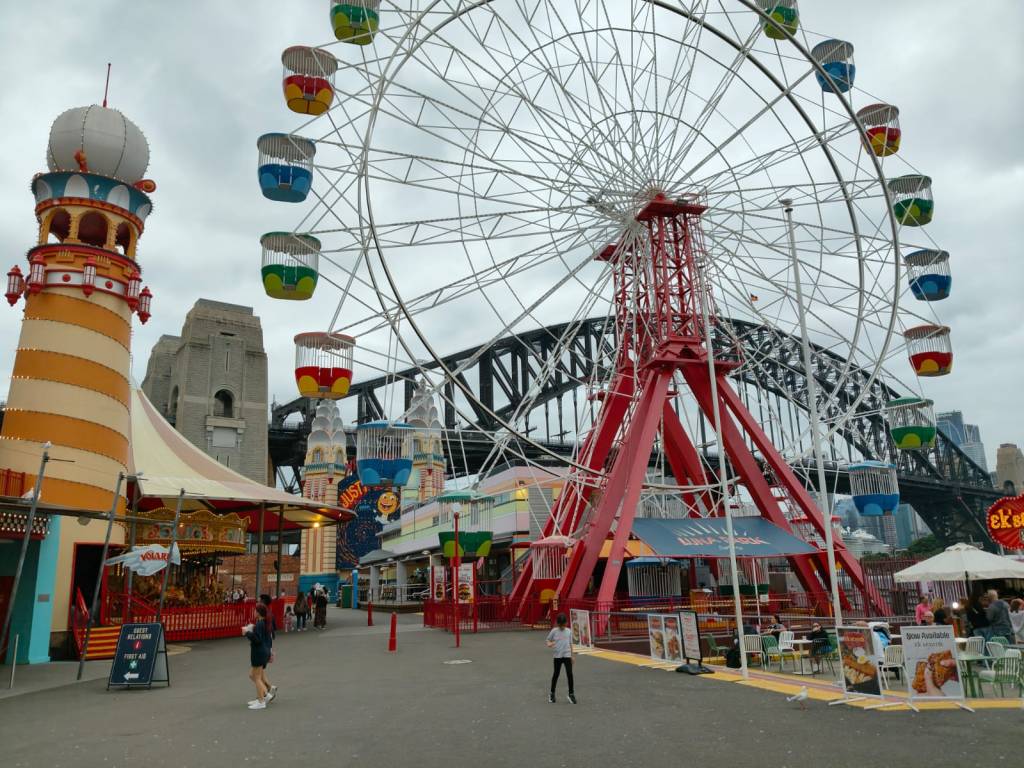
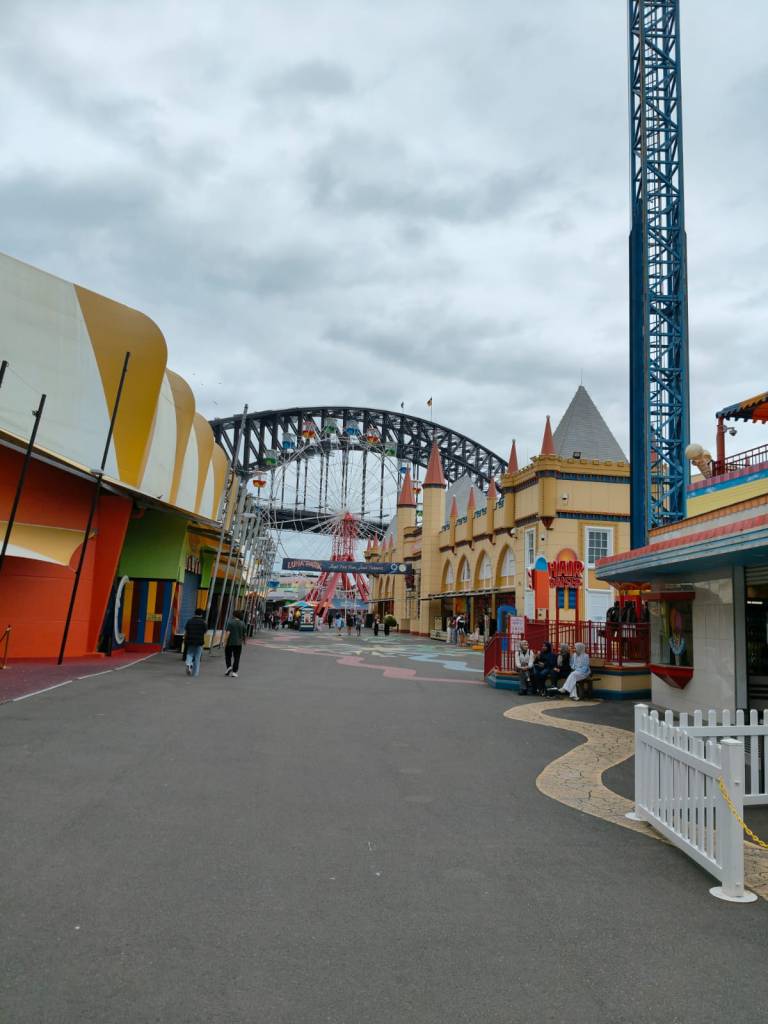
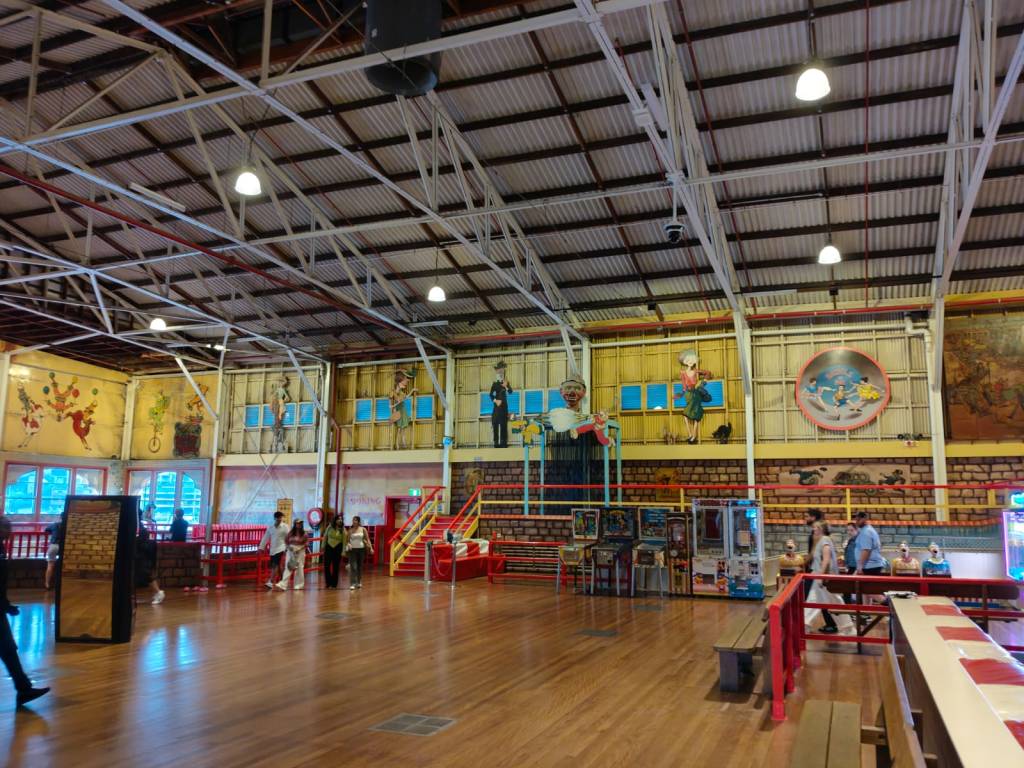
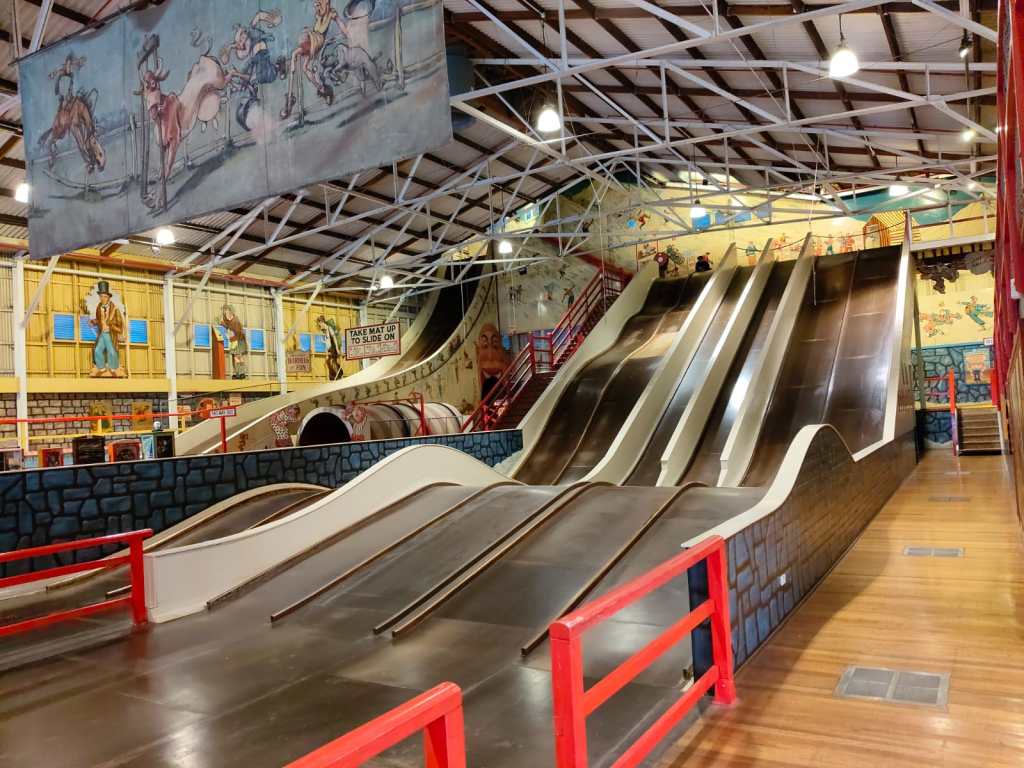
Luna Park has been part of Sydney’s landscape for almost a century. It opened in 1935 at Milsons Point, inspired by the Luna Park tradition that originated at Coney Island, and is known for its distinctive Art Deco architecture as much as that unmistakable entrance. There’s something quite nostalgic about the place, and the location is fantastic. From the rides, you get views across Sydney Harbour with the Harbour Bridge as a backdrop. The Ferris wheel in particular makes for a great photograph, with brightly coloured gondolas standing out against the bridge behind them. It reaches about 40 metres and offers views across the harbour, the Opera House and the Sydney skyline.
Having said all that, I have to be honest about our experience. I didn’t find Luna Park particularly impressive. The setting is excellent and the entrance is iconic, but I felt the ticket prices were high for the number of rides and the overall experience on offer. The park currently lists an Unlimited Rides Pass from around A$34 per person, while a Two Ride Pass on Luna Lite Days runs around A$25, with prices shown as starting points that vary by date and product.
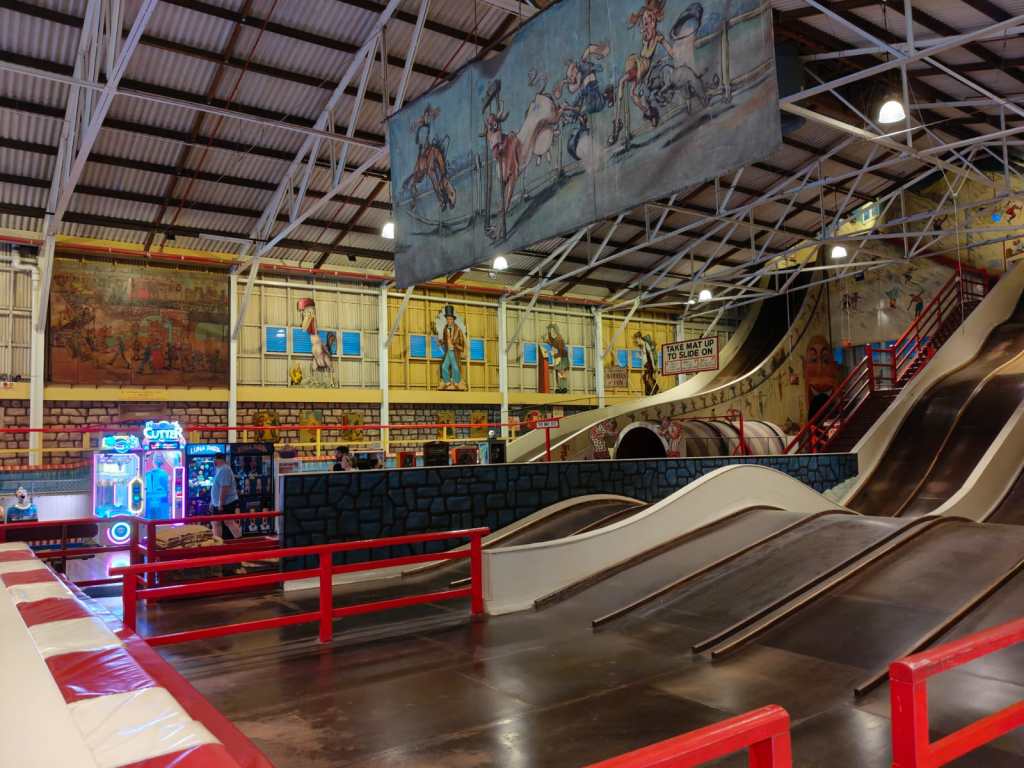
To be fair, there are some genuinely good rides. The Big Dipper reaches speeds of around 72 km/h, the Wild Mouse is a compact roller coaster with a 400-metre track, and there are family rides, the Ferris wheel and the heritage Coney Island funhouse too. But for us, the overall experience didn’t quite justify what felt like a relatively high ticket price. My daughter still enjoyed herself though, which ultimately matters more on a family holiday. We stayed until around 6 PM.
Taking the ferry back
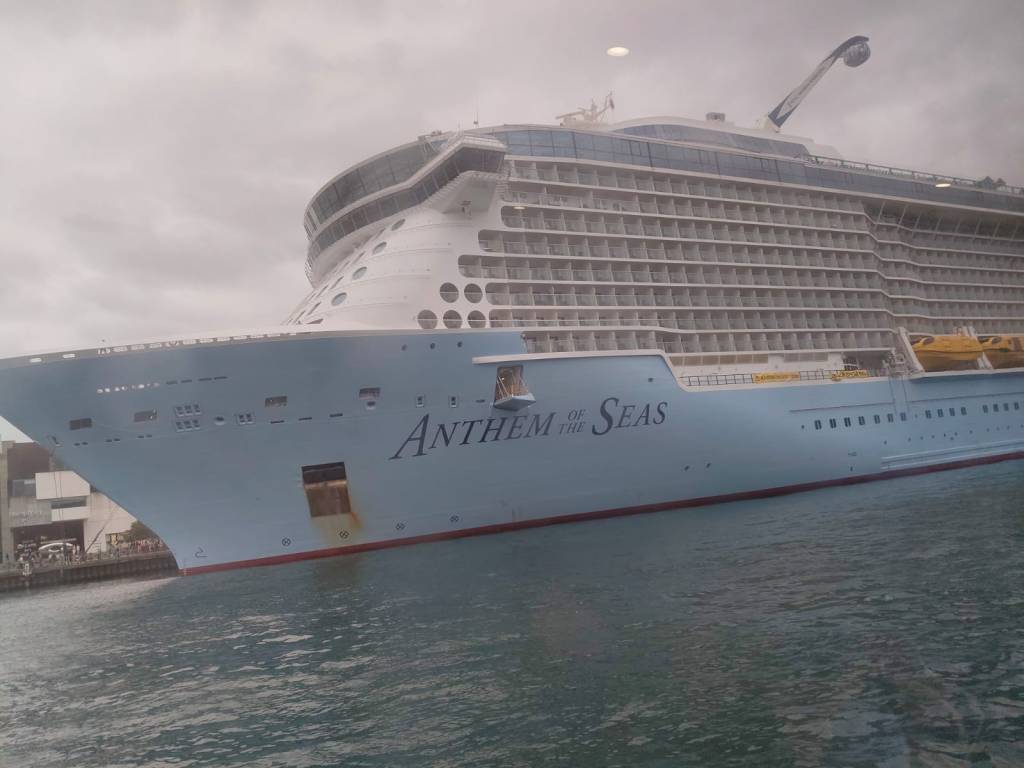
Instead of retracing our route, we decided to take a ferry from Darling Harbour, and this was probably one of my favourite parts of the day.
There’s something special about seeing Sydney from the water after spending the day walking around the city. The ferry gives you a completely different perspective of the harbour and the skyline. We’d already spent most of the day on land, moving between the aquarium, cafés and Luna Park, so sitting on the ferry and watching the city from the water was a perfect way to slow things down.
It also reminded me why Sydney’s public transport system is such an important part of the travel experience here. You don’t need a car to explore the city. The combination of light rail, walking and ferries, all tied together by the Opal card, worked extremely well for us. We got back around 6 PM, tired but having had a full day without trying to cram too much into it.
Looking back
What I liked about this day was the variety. We started with the light rail and spent the morning at SEA LIFE Sydney Aquarium, which my daughter absolutely loved. We had lunch overlooking Darling Harbour, spent the afternoon at Luna Park, and finished the day with a ferry ride.
It also gave us a good mix of Sydney’s different personalities. Darling Harbour showed the modern, redeveloped side of the city, while its history reminded us this was once a major industrial and shipping area. SEA LIFE was all about family entertainment and Australia’s marine life. And Luna Park brought in a completely different, almost nostalgic side of Sydney, with its 1930s heritage, colourful rides and that unmistakable giant smiling face.
For me, the aquarium was the clear winner of the day. Luna Park was less convincing, particularly given the cost, but the ferry ride back was a great way to finish. Most importantly, it was a relaxed family day. We weren’t rushing from one landmark to another. We took public transport, had lunch when we felt like it, spent time at places that interested us, and ended the day looking out at Sydney Harbour from the water.
Sometimes those are the best travel days.

