
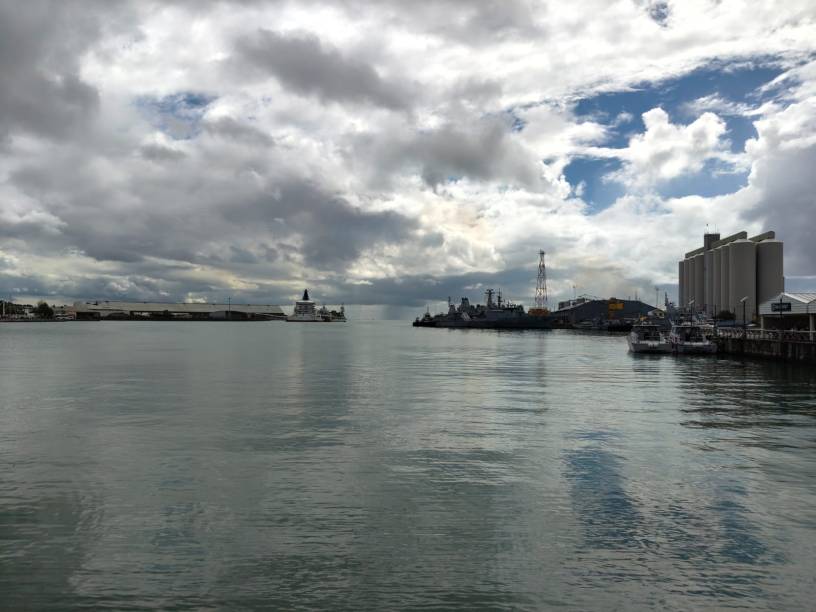
Our base: Le Meridien, Mauritius
Travel companions: Family
Trip style: History, heritage, and discovery
Morning: Citadelle Fort (Fort Adelaide) — Mauritius’ Watchful Guardian
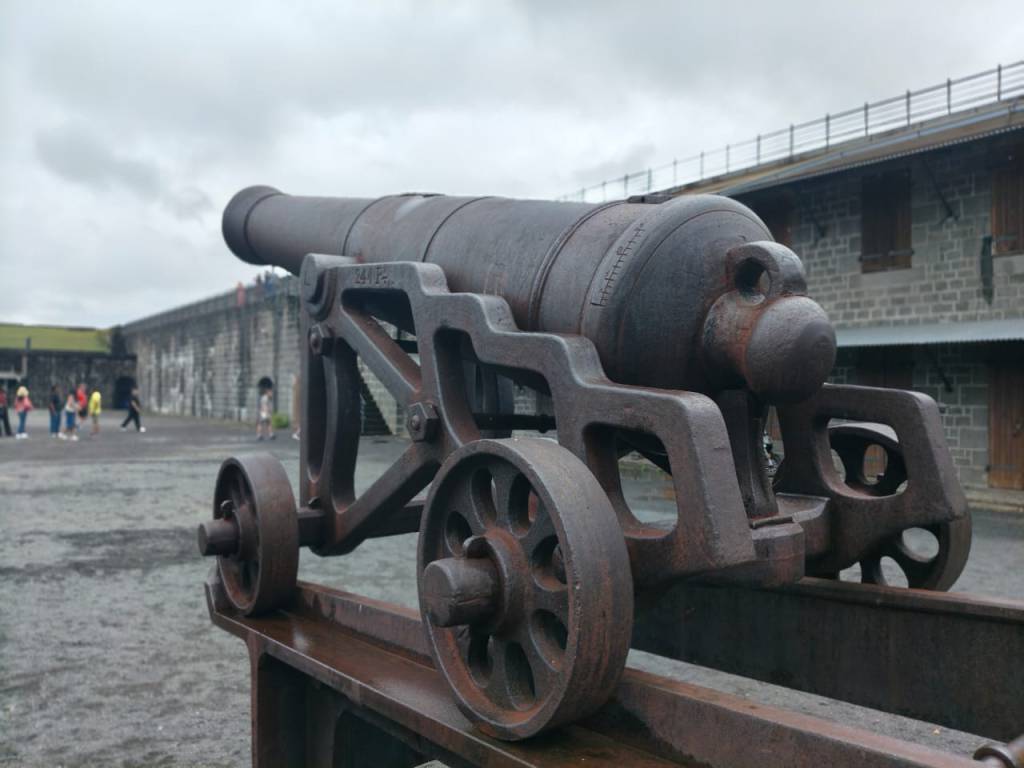
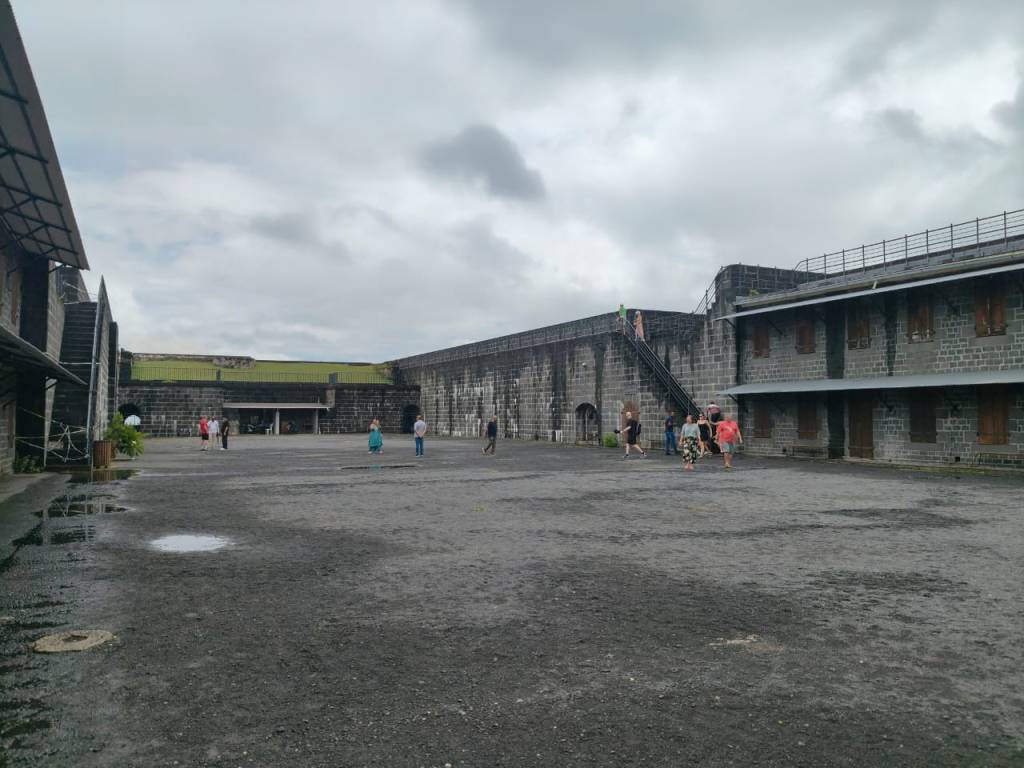
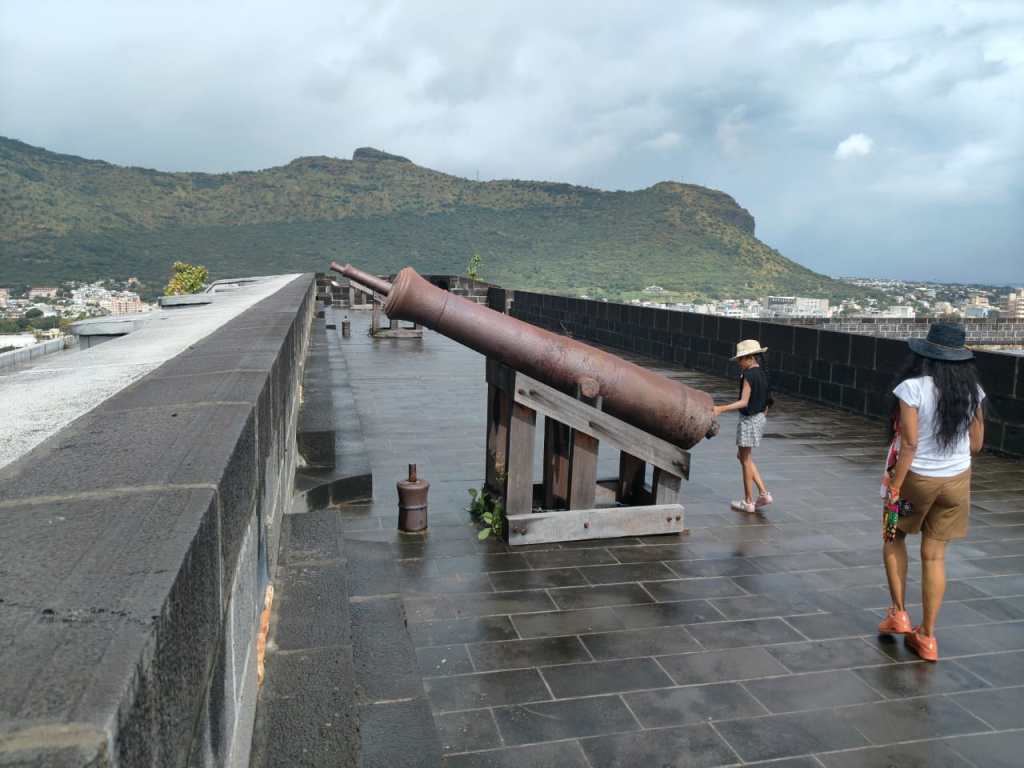
Perched on a hill overlooking the city, Citadelle Fort, also known as Fort Adelaide, is one of the best-preserved fortresses on the island. Built by the British between 1834 and 1840, it was designed not just for defense against potential foreign invasions, but also as a symbol of British authority over a recently conquered French colony. The site chosen offered commanding views over Port Louis’ harbor, making it ideal for both surveillance and strategic control.
The fort’s sturdy stone walls and old cannons echo with stories of colonial rivalry, maritime trade, and the city’s transformation over centuries. As you walk the ramparts, you can almost imagine British officers scanning the horizon for ships or keeping a wary eye on the restless population below—especially in the years after the abolition of slavery, when social tensions were high. Today, the fort stands as a silent witness to those tumultuous times, and entry is completely free. Parking is easy right outside, and the views from the top—sweeping across the mountains, harbor, and old city—are simply stunning. It’s an ideal place to start your journey into Port Louis’ layered past.


Mid-Morning: Apravasi Ghat — The Gateway of Hopes and Hardships
Our next stop was the Apravasi Ghat, a UNESCO World Heritage Site and, in many ways, the spiritual heart of modern Mauritius. This is where the story of so many Mauritian families began.
After the abolition of slavery in 1835, the British colonial government needed a new labor force for the booming sugar industry. They turned to “indentured labor” and the Apravasi Ghat (“Immigration Depot”) became the landing point for nearly half a million immigrants—mostly from India, but also from Africa, China, Madagascar, and elsewhere—between 1834 and the early 20th century.
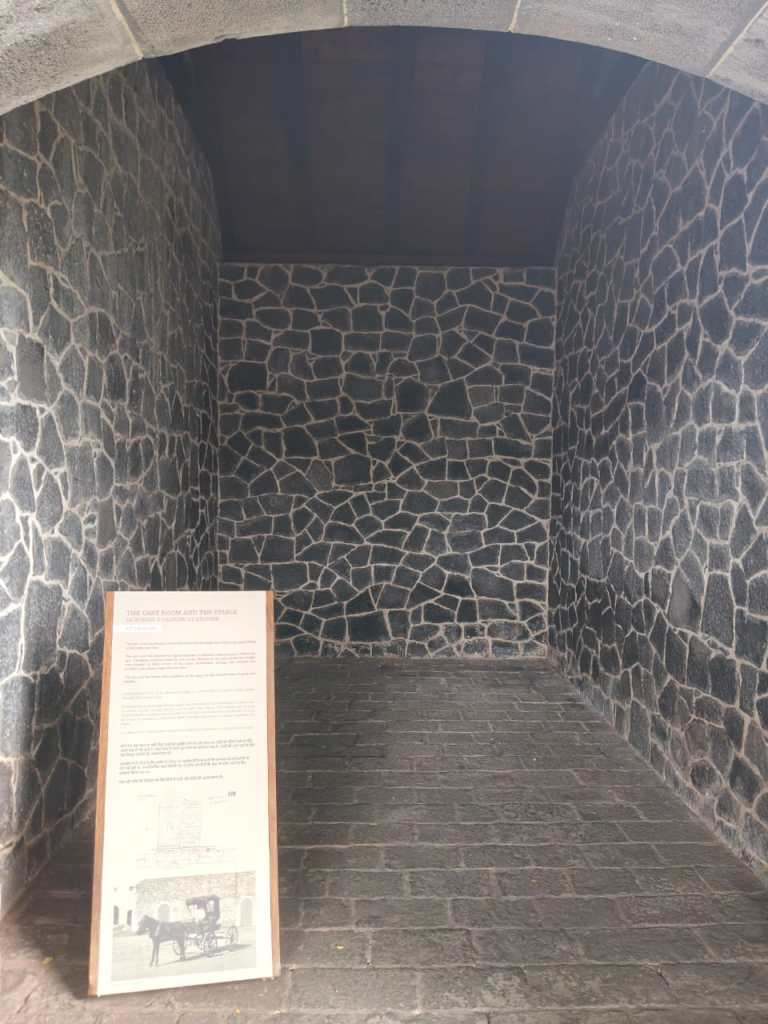
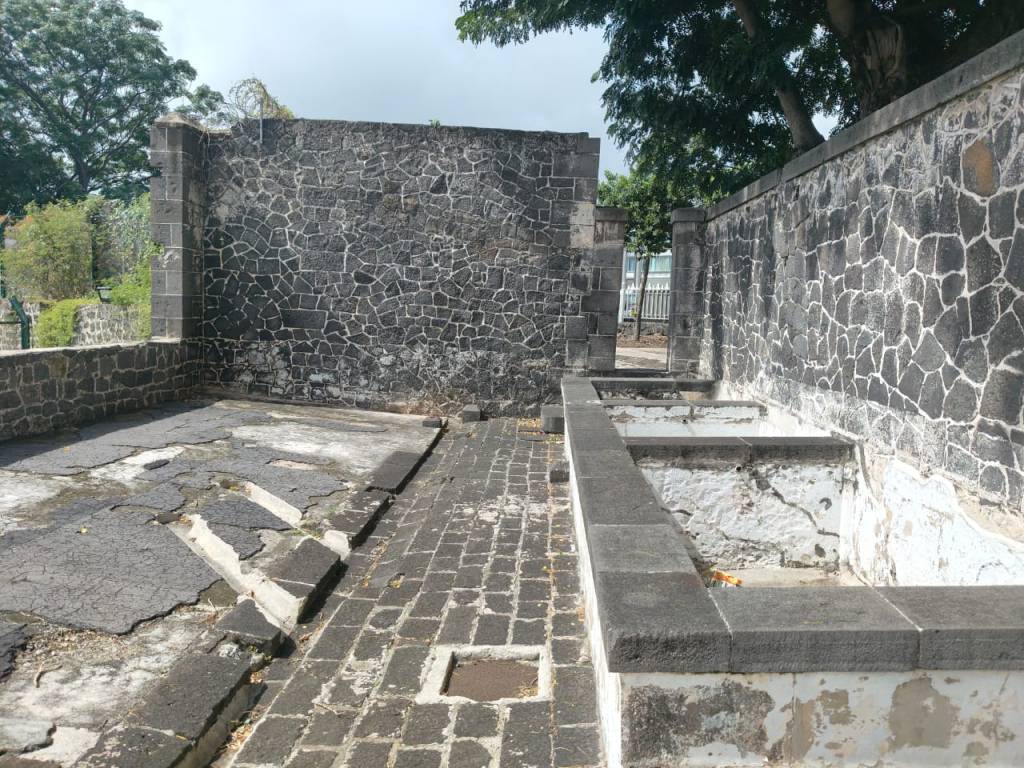
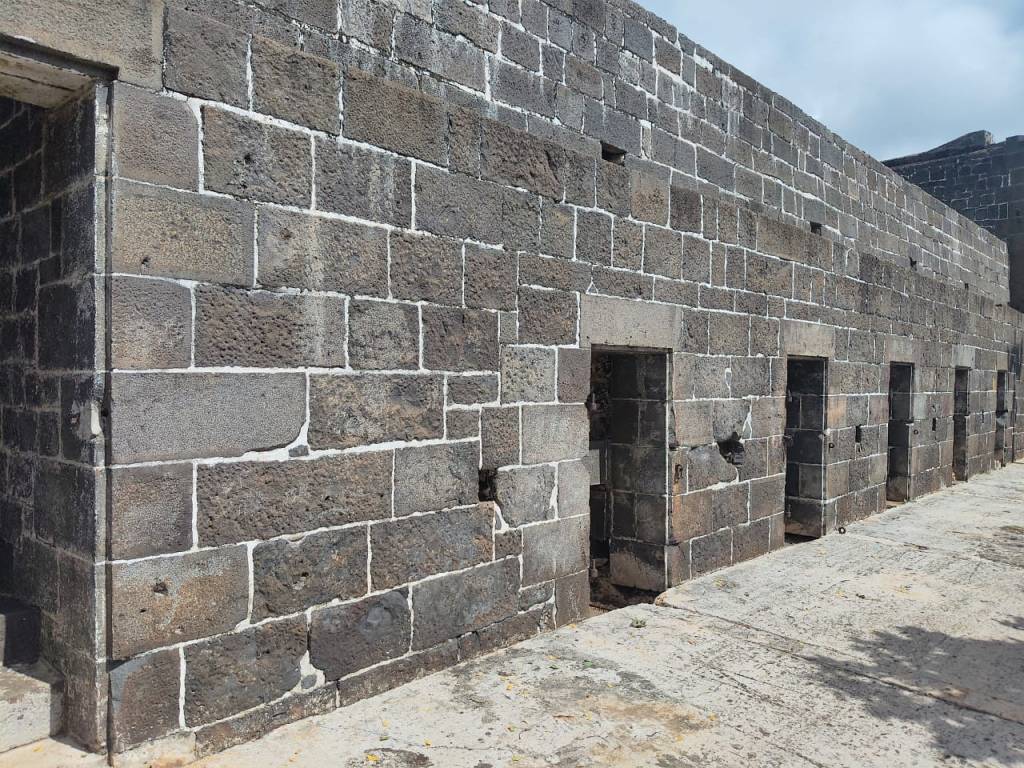
Here, new arrivals were registered, housed in tiny, basic rooms, and underwent medical checks. Most spent days or even weeks here, often crowded and anxious, before being assigned to plantations across the island. The site’s original stone steps, dormitories, and kitchens are still standing, echoing with the footsteps and whispered hopes of those who passed through.
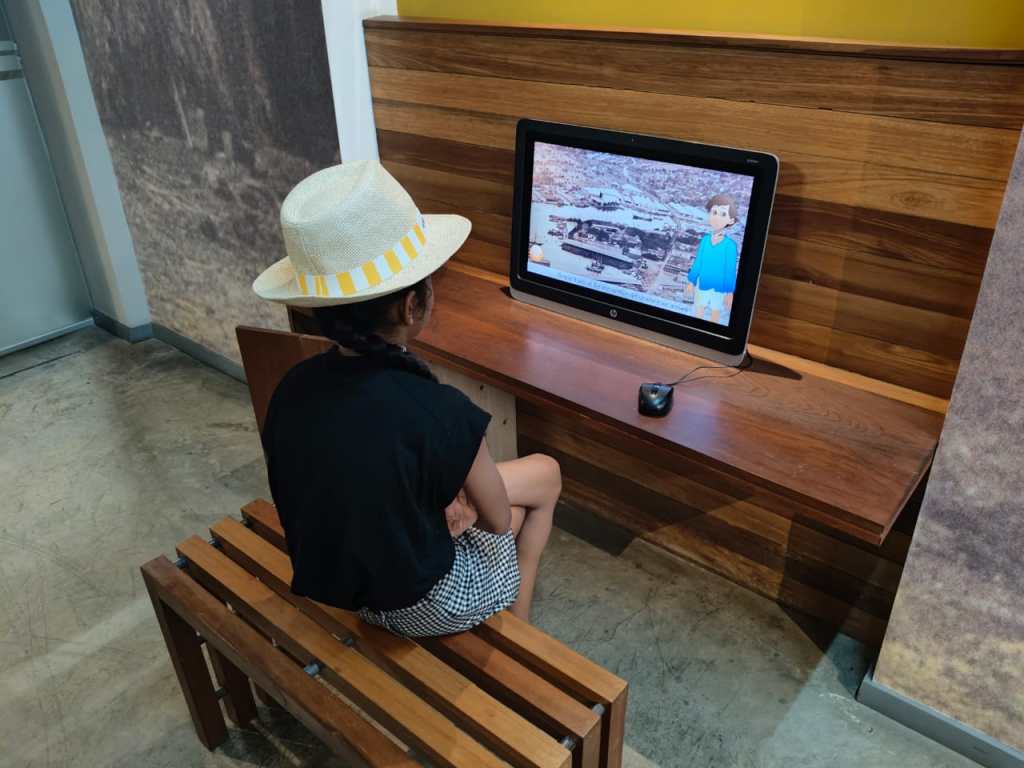
Inside the visitor center, moving displays and photographs bring these stories alive—of families separated and reunited, of resilience in the face of hardship, and of the beginnings of a multicultural Mauritius. It’s humbling to stand in these rooms and imagine the courage it took to begin life anew in a strange land.
Parking is usually available close by, making it accessible even for families.



Stroll to the Caudan Waterfront — The City’s Beating Heart
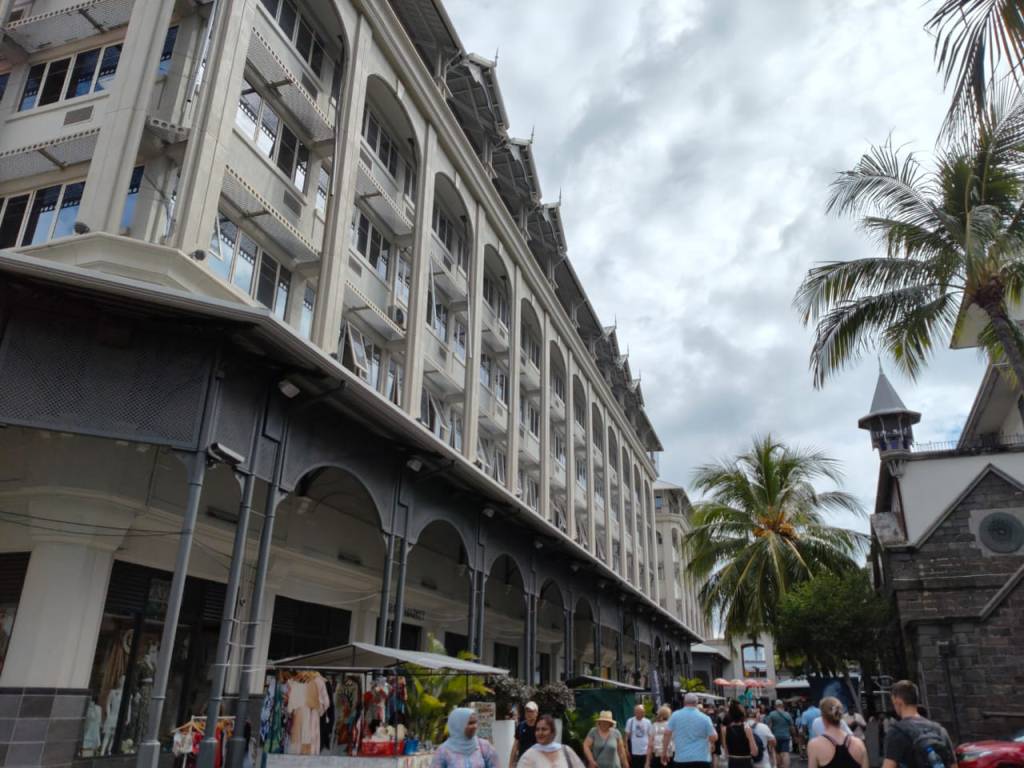
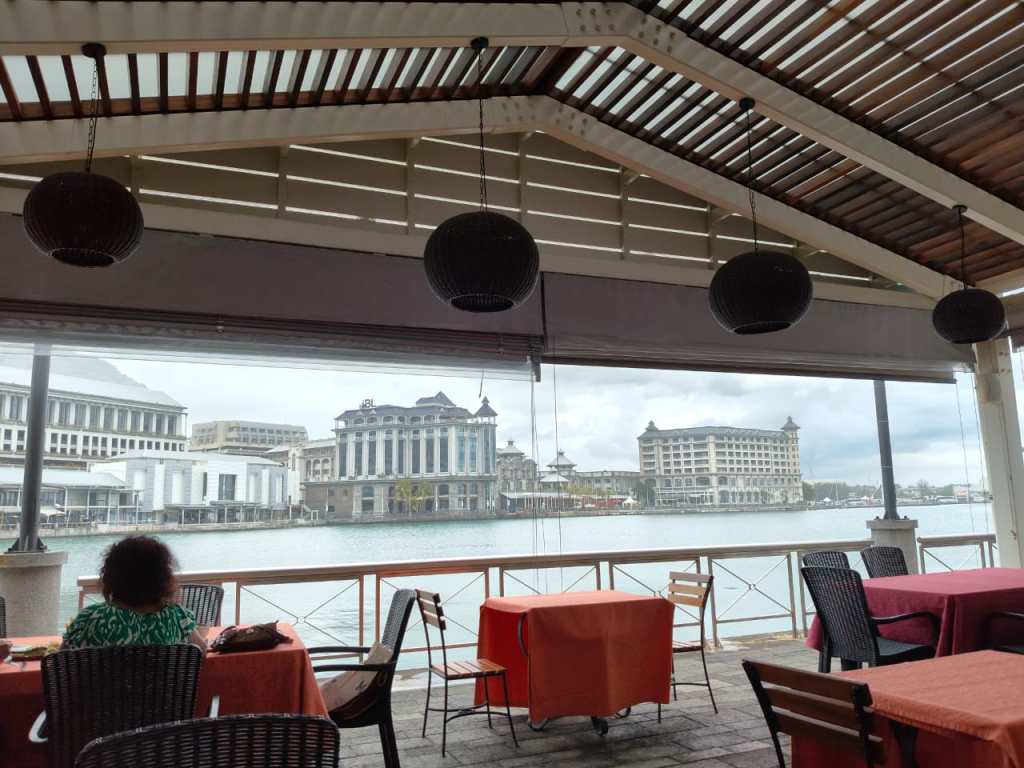
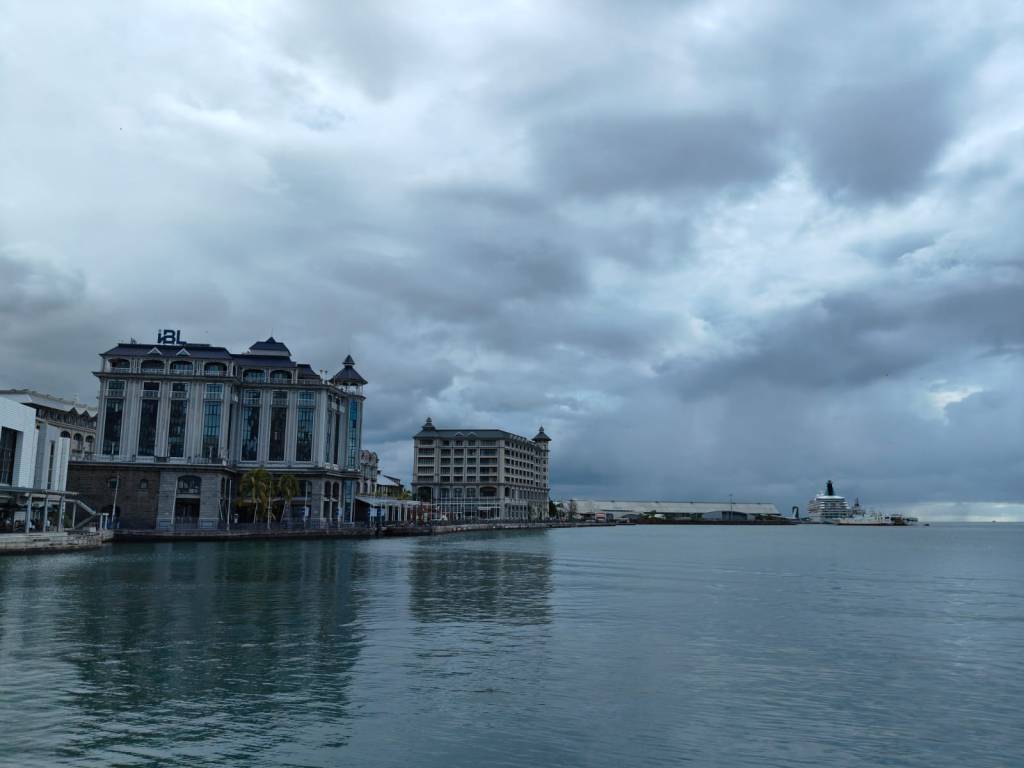
After immersing ourselves in history, we strolled down to the lively Caudan Waterfront. This modern precinct—once the site of the first landing place for French colonists and traders—has been transformed into a vibrant hub of shops, open-air markets, art galleries, and waterfront promenades.
It’s a place where old and new Mauritius meet: the restored stone warehouses speak of the island’s trading days, while the buzz of street performers and the swirl of shoppers remind you that Port Louis is a living, evolving city. The views of the port are beautiful, with colorful boats bobbing in the sunshine and the Le Pouce mountain rising in the distance. The waterfront is also a cultural melting pot—visit on weekends and you’ll see street art displays, music performances, and local food stalls.

Umbrella Square — A Burst of Color and Creativity
One of the city’s most charming corners is Umbrella Square, a cheerful courtyard where dozens of rainbow-colored umbrellas are suspended overhead. Originally created to add life to an old part of the shopping district, the square has become an icon of Port Louis, loved by locals and visitors alike.
Besides being perfect for photos, Umbrella Square represents the city’s spirit—colorful, diverse, and always welcoming. The area around it is dotted with quirky boutiques, local snack stalls, and open-air cafes where you can soak in the vibe.

Blue Penny Museum — Mauritius’ Story in Stamps and Artifacts
A true highlight for anyone interested in history is the Blue Penny Museum, just steps from the waterfront. This modern, beautifully curated museum tells the story of Mauritius through its rare stamps, colonial maps, ancient navigational instruments, and artwork.
The museum’s centerpiece is the legendary Blue Penny and Red Penny stamps—among the rarest and most valuable in the world. These stamps, issued in 1847, are famous not just for their rarity but for their connection to a romantic legend: they’re said to have been used to send invitations to a ball hosted by Lady Gomm, the Governor’s wife.
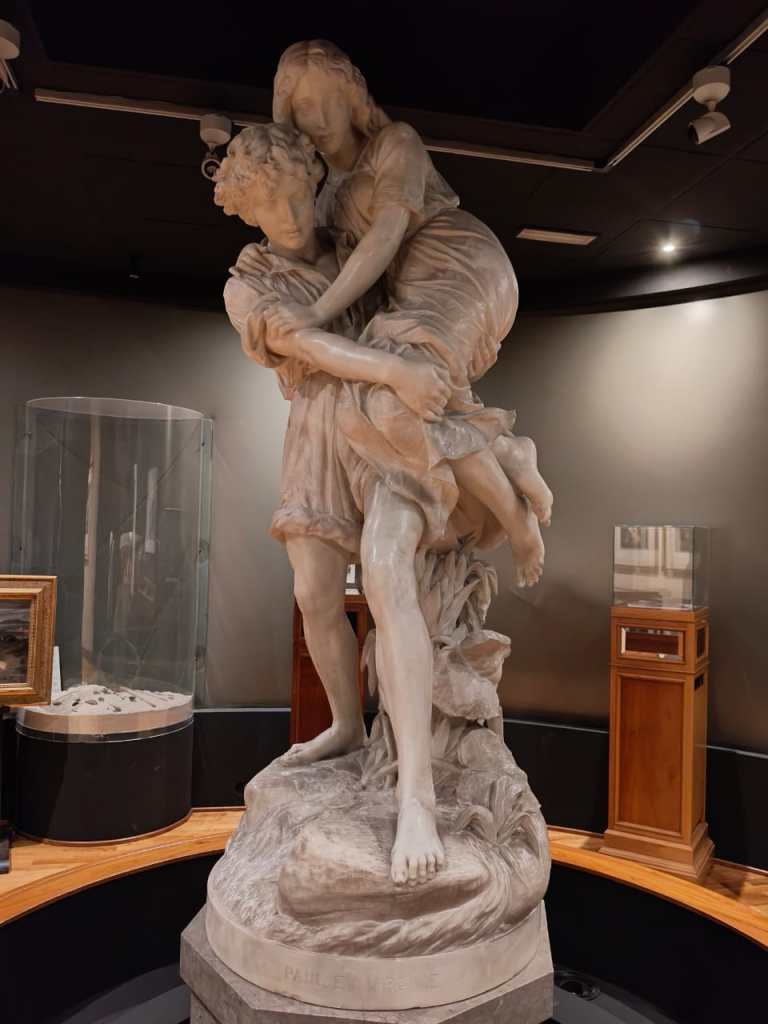
But the Blue Penny Museum isn’t just about stamps. It takes you on a journey from the first discovery of Mauritius by Arab sailors, through Dutch, French, and British rule, to independence and modern times. Exhibits cover everything from the island’s original dodo bird and its tragic extinction, to the romantic saga of Paul & Virginie, to the evolution of the Mauritian identity.
There’s even a section dedicated to ancient maps, navigation tools, and the multicultural influences that shape the country.
If you love stories, artifacts, and a touch of mystery, don’t miss this museum.



The Slavery Museum — Remembering Pain, Celebrating Strength
No trip to Port Louis would be complete without acknowledging the harder chapters of its history. The Slavery Museum is a deeply moving, sometimes somber, experience, but an essential one for understanding Mauritius as it is today.
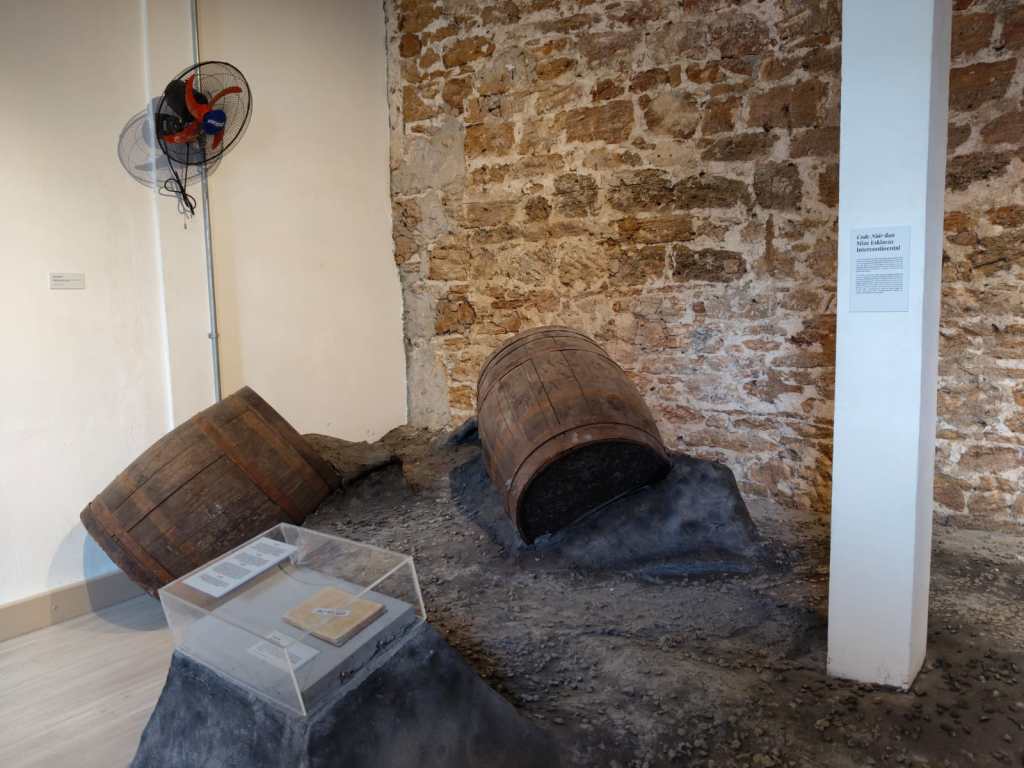
Here, you’ll find artifacts, original shackles, historical records, and personal stories tracing the forced journeys of enslaved people from Africa, Madagascar, and India. The museum details not just their suffering, but their contributions to the island’s culture, economy, and ultimate resilience.
What stands out is the narrative of hope—how, over time, former slaves and their descendants became part of Mauritius’ diverse society, contributing to its art, food, religion, and values.
The museum also draws important connections between slavery, indentured labor, and the modern multicultural identity of Mauritius. Visiting this site is a humbling, reflective experience that gives real context to all the beauty and vibrancy you see elsewhere on the island.


Tips & Recommendations for a Day in Port Louis
Essentials to Carry
- Sun protection: Hat, sunglasses, and high-SPF sunscreen (it gets very hot!)
- Umbrella or light rain jacket: Weather can change quickly, with sudden showers.
- Comfortable walking shoes: There’s plenty of history to walk through.
- Water bottle: Stay hydrated; heat can creep up on you.
- Camera or smartphone: The city is full of photo-worthy spots.
- Small cash: For local snacks, museum tickets, or market stalls.
Pro Tips
- Start early: Outdoor sites like Citadelle Fort are cooler (and quieter) before 10 am.
- Museum breaks: Schedule museum visits during the afternoon heat for a break and some AC.
- Lunch: The waterfront has many options—arrive early if you want a seat with a view.
- Weather watch: Always check the forecast before heading out; carry both sun and rain gear.
- Parking: Early mornings are best for finding easy parking near major attractions.
- Souvenirs: Look for locally-made crafts and unique Dodo memorabilia at the waterfront markets.
- Kids: Museums are well-marked and interactive; great for family visits.
Reflections
Port Louis is not just the business capital of Mauritius; it’s where history, struggle, and resilience meet. From colonial forts and landing steps to colorful markets and moving museums, every stop here adds another layer to the story of this island and its people.
By the end of our visit, we felt we’d not only seen Port Louis, but truly experienced its soul. If you want to understand Mauritius—beyond its beaches—spend a day here. Let its stories walk alongside you.
 Planet-Trekker-Blog