

Our day began at the elegant Le Méridien Ile Maurice, a beachfront paradise in Pointe aux Piments. After a hearty breakfast with ocean views and gentle sea breeze, we embarked on a road trip that turned out to be one of the most memorable days of our Mauritius vacation.
Southern Mauritius is an enchanting mix of spiritual energy, colonial heritage, and natural beauty. From sacred lakes and tea-scented hills to vintage mansions and volcanic craters, the day unfolded like chapters in a storybook. Here’s a detailed account of a deeply fulfilling and visually rich experience.
🛕 Grand Bassin (Ganga Talao) – A Sacred Link Between Mauritius and India

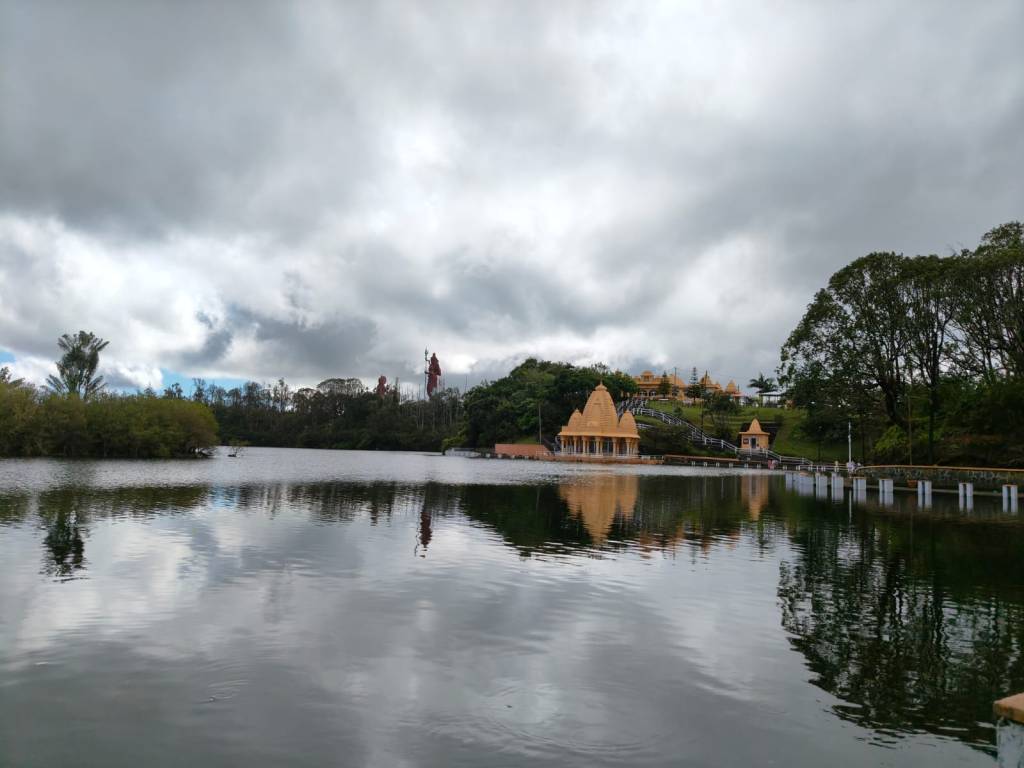
Located in the lush highlands of Savanne, Ganga Talao is more than a religious site—it’s a spiritual cornerstone for the Hindu community in Mauritius.
The lake itself lies in the crater of an extinct volcano and is believed by devotees to be connected to the holy Ganges River in India. This belief was symbolically affirmed in 1897 when a Mauritian priest brought water from the Ganga and poured it into the lake.
🕉 What Makes It Spiritually Powerful
- The Shiv Mandir is the main temple here, but you’ll also find shrines dedicated to Hanuman, Durga, Lakshmi, and Ganesha, making it a truly inclusive spiritual destination.
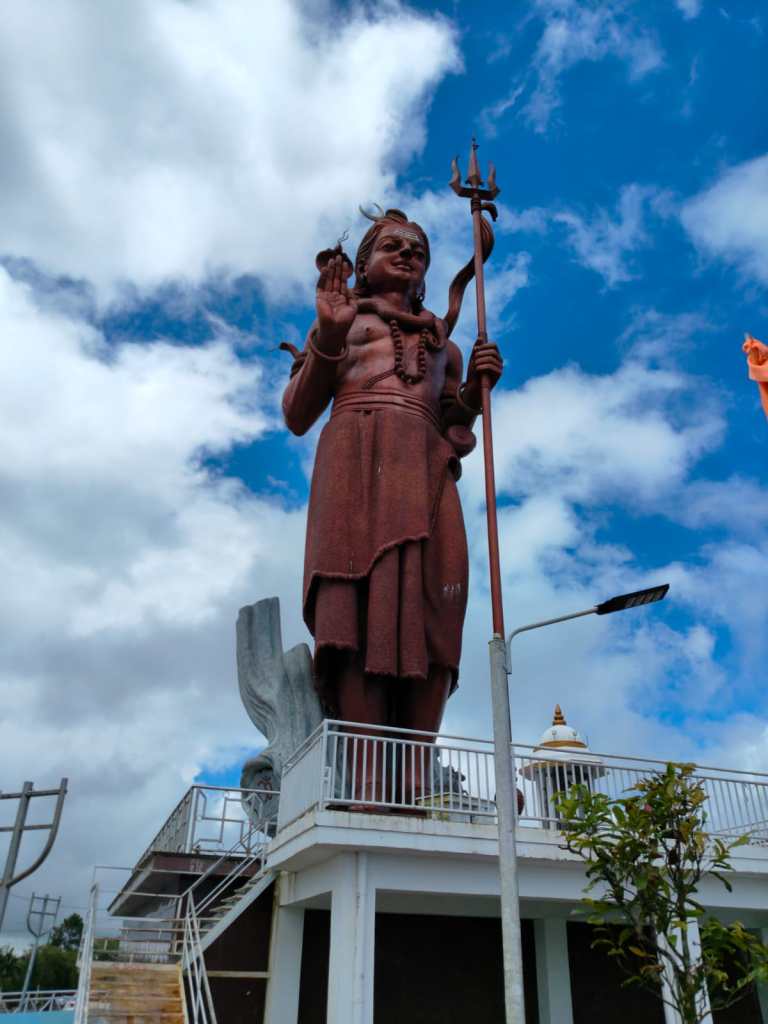
- The 108-foot-tall statue of Lord Shiva, called Mangal Mahadev, is the tallest in Mauritius and one of the tallest in the Southern Hemisphere.
- The lake itself is serene, often shrouded in mist due to the elevation, which adds a surreal, almost meditative feel to the entire place.
- Pilgrims walk from all parts of the island during Maha Shivaratri, many covering over 40 km barefoot with decorated bamboo canopies (kanwars).
💡 Cultural Significance
This is not just a temple—it’s a testament to the resilience of Indian culture and identity in the diaspora, maintained with deep reverence over generations.
✅ Pro Tips
- Avoid weekends and religious holidays if you prefer a quiet visit.
- Dress modestly; sarongs are available for loan.
- Keep an eye out for the lake’s fish and shy eels—locals believe they are sacred.




Bois Chéri Tea Estate – A Journey into Fragrance and Flavor
From divine serenity, we transitioned into green serenity. A 20-minute drive took us to Bois Chéri, Mauritius’ oldest and most iconic tea plantation, established in 1892.
🍽 Bois Chéri Restaurant – More Than Just a Meal
Before heading to the factory, we stopped for lunch at the Bois Chéri Restaurant, perched high above the tea fields.
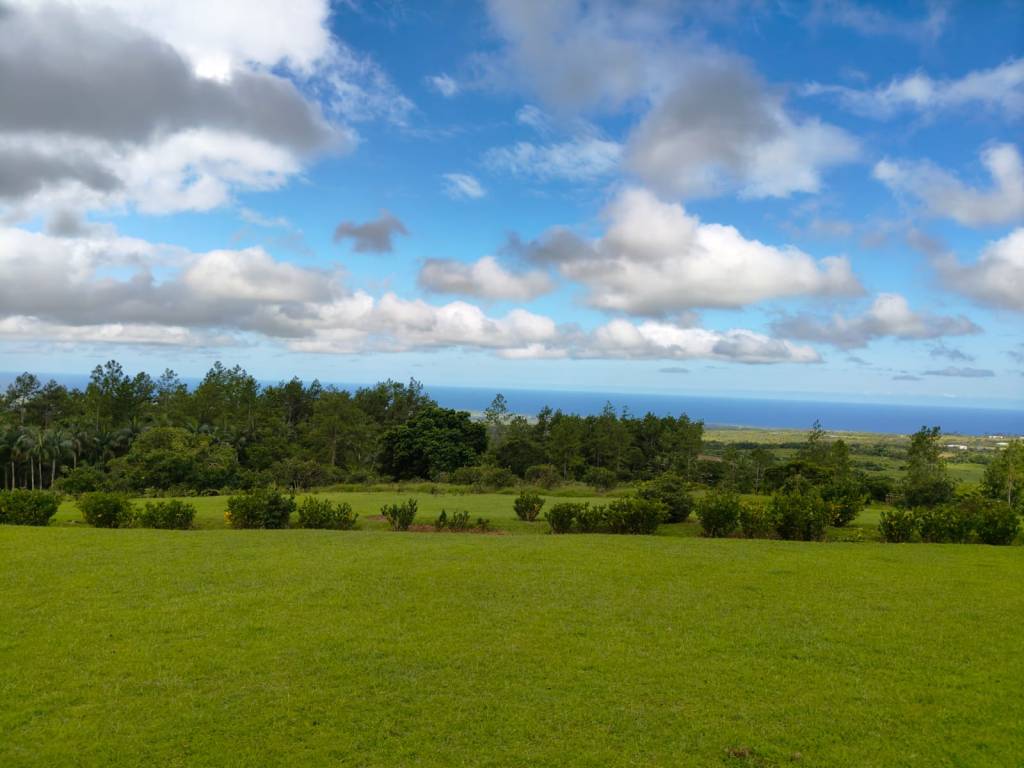
The setting is like a scene out of a postcard — panoramic views of the southern coastline, undulating green hills, and absolute silence except for chirping birds. The restaurant is designed with colonial charm, offering indoor and outdoor seating.
The menu features traditional Mauritian dishes such as:
- Chicken or fish vindaye
- Lentils with herbed rice
- Pineapple chutney
- Freshly brewed Bois Chéri tea, of course!
💰 Budget: A family of 3 will spend MUR 1,800–2,200 (~₹3,500–₹4,200), including drinks and dessert.
🏭 Tea Factory & Museum
We then visited the factory and museum, where the entire tea-making process is demonstrated — from plucking to drying, fermenting, and packaging.
The museum, while compact, is well-curated with vintage photos, early machinery, and detailed explanations of the island’s tea trade history. You can also enjoy a tea tasting session offering unique infusions like vanilla, coconut, and green tea.
💰 Entry Fee: Around MUR 400 per adult (₹750 approx.)
✅ Pro Tips:
- Don’t miss the tea tasting — it’s included in your ticket and very enjoyable.
- Visit the gift shop; it stocks limited-edition blends not available elsewhere.
- Check if the factory is operating that day to watch tea being made in real-time.




Domaine des Aubineaux – A Step Back into Colonial Mauritius
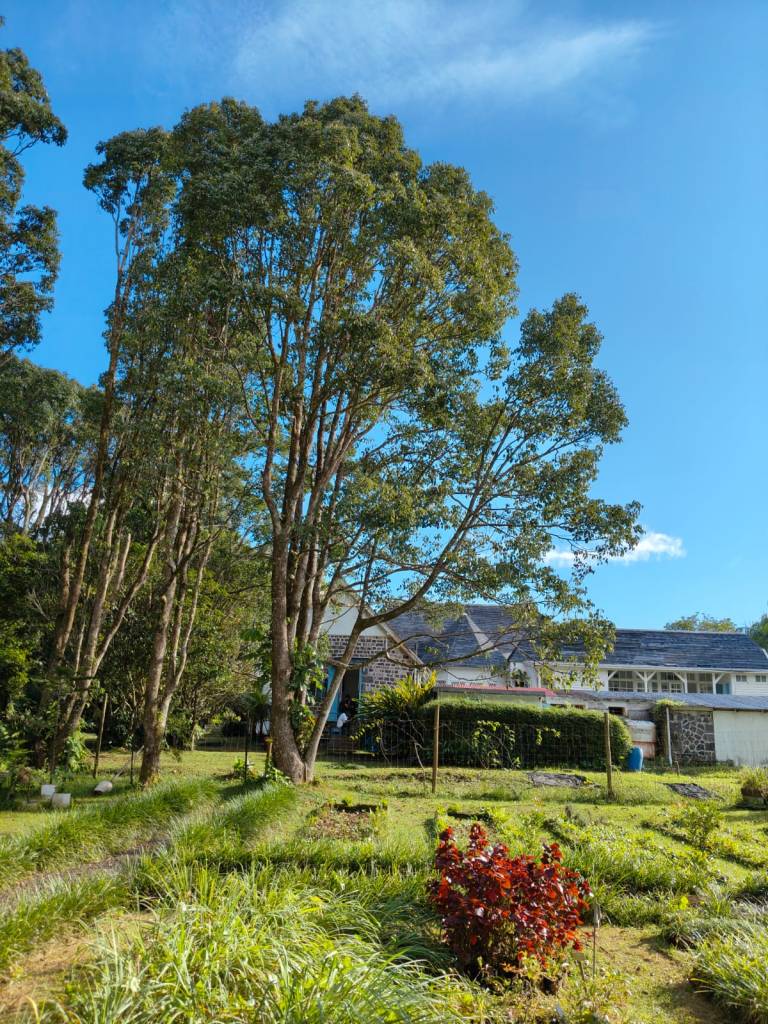
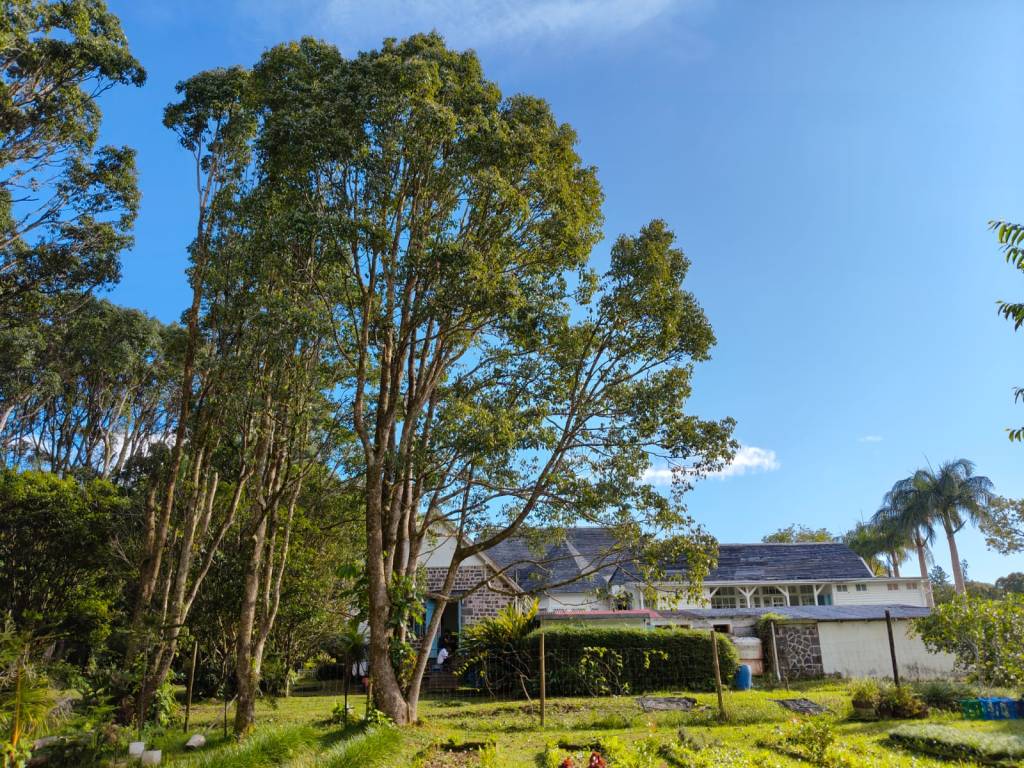
Next, we drove 30 minutes north to Curepipe, home to Domaine des Aubineaux, a beautifully preserved colonial mansion built in 1872.
This stately home belonged to a French aristocratic family and is now a heritage site showcasing colonial life during the sugar baron era.
The house itself features:
- Antique mahogany furniture
- Chandeliers from the 1800s
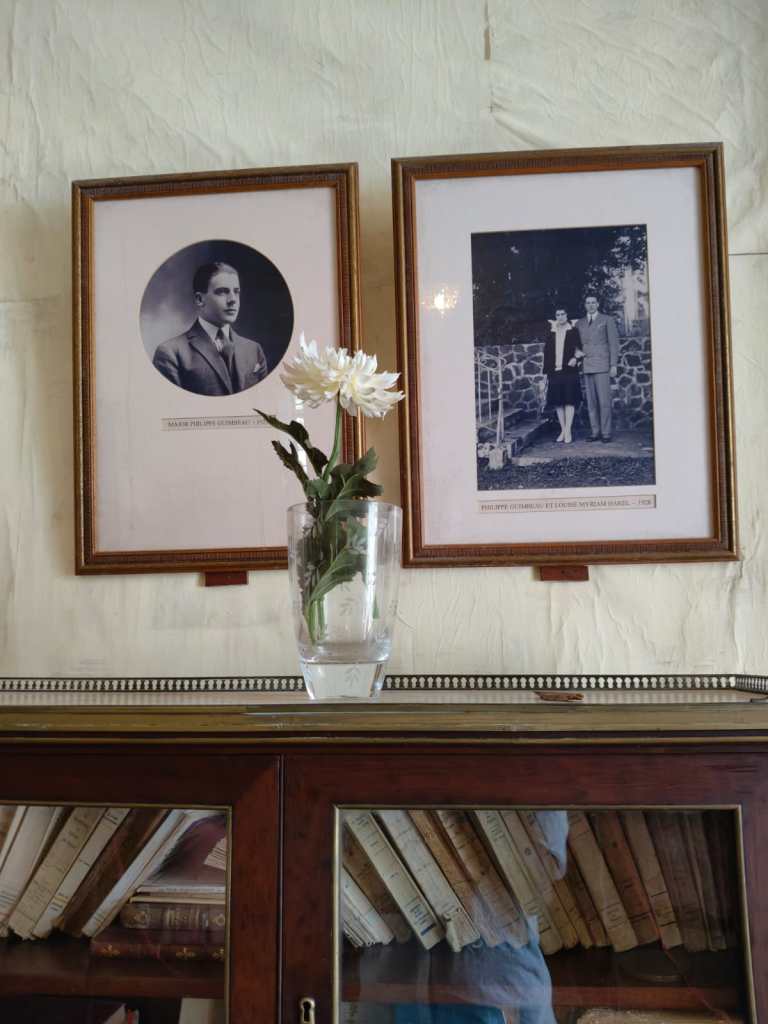
- Family portraits, letters, and wartime memorabilia
- Original wallpaper, tiles, and cutlery
There’s also a camphor garden, a vintage carriage house, and a working essential oil distillery using herbs grown onsite.
💰 Entry Fee: Around MUR 300 per adult (₹550 approx.)
✅ Pro Tips:
- The estate is quiet and rarely crowded — you’ll have space to explore slowly.
- Ask for a guided tour — they add stories and personal details that bring the space alive.
- The small tearoom near the garden is ideal for a relaxed break.




🌋 Trou aux Cerfs – A Walk Atop an Ancient Volcano
Trou aux Cerfs, meaning “Deer’s Hole” in French, is an extinct volcanic crater situated in the heart of Curepipe, at an altitude of 605 meters.
🧭 What’s Fascinating
- Estimated to have formed about 700,000 years ago, Trou aux Cerfs is one of the best-preserved volcanic craters on the island.
- Although dormant, geologists believe that the volcano is not extinct and could, in theory, become active again. However, the last eruption was so long ago that it’s considered safe.
- The crater itself is 350 meters wide and 80 meters deep, with lush vegetation at the bottom that forms its own micro-ecosystem.
🚶♂️ The Walk Around the Crater
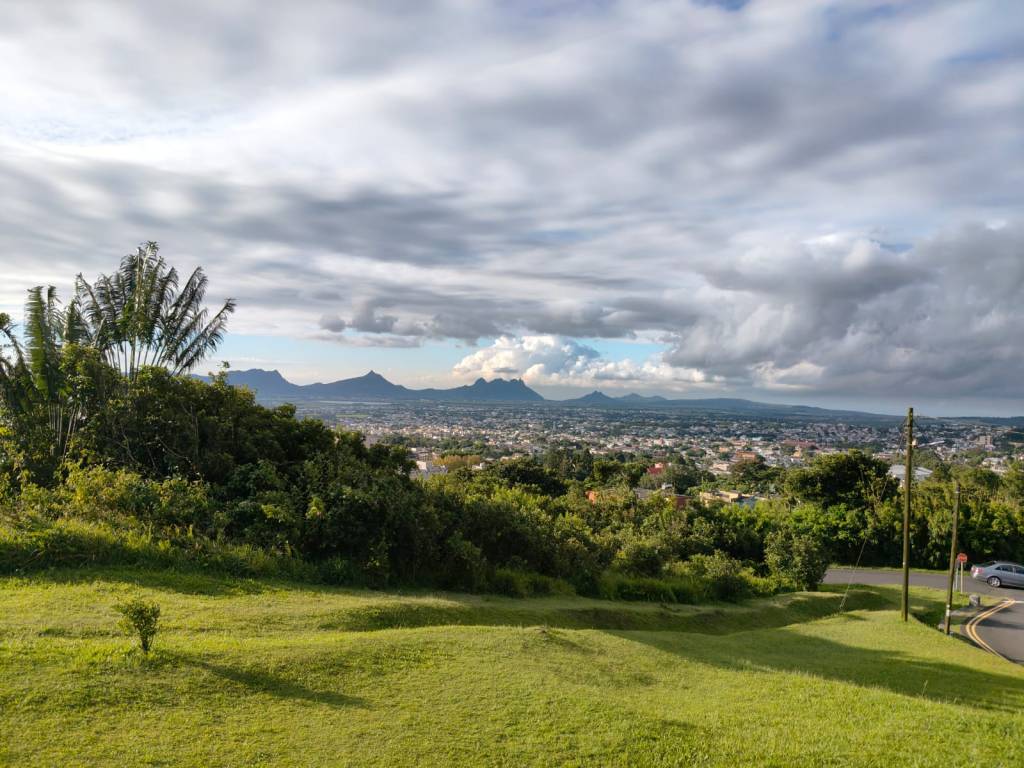
- A 1.5 km paved trail circles the rim, offering 360° panoramic views of the central plateau, nearby towns, and mountain ranges.
- On a clear day, you can even spot the Moka Range, Le Pouce, and other iconic peaks.
🌡️ Weather & Conditions
- It can get hot by noon, as the elevation doesn’t necessarily mean cooler temperatures.
- There are few shaded areas, so hats and sunscreen are a must.
✅ Pro Tips
- Best visited during golden hour (early morning or late evening) for soft lighting and cooler conditions.
- No entry fee or permit is required.
- No cafés or vendors, so carry your own water and snacks.



This day trip was far from the usual beach-and-resort experience Mauritius is known for. Instead, it offered a deep dive into the island’s spiritual traditions, agricultural heritage, colonial history, and natural geology — all within one easy, self-driven loop.
✅ Highly recommended for: Families, cultural explorers, spiritual travelers, and photographers.
🚗 Total drive time: Approx. 3 hours, excluding stops — all on excellent roads.
🎒 What to carry: Sunglasses, hat, sunscreen, camera, shawl, and comfortable walking shoes.
This was one of the most enriching days we had during our stay — and I’d encourage anyone visiting Mauritius to carve out a day to experience the soul of the island beyond the beach.
 Planet-Trekker-Blog